
Remnant – Issue No. 22


Two akiya in Akita and two derelict cottages in Leitrim, from $15,500, plus Japan’s rice cuts, Ireland’s rural resettlement and China’s showcase villages.

Here in Los Angeles, the yards are full of fruit. Passion fruit is plentiful on vines strewn throughout the city, and citrus and pomegranates abound. Much of it goes unharvested, and the scent of overripe guavas periodically pervades our walks as we step over rotting avocado drops. Fruit like this grows more or less on its own here. In farm country, what gets grown, and how much, is often a government decision. This week’s two articles are about rural land use and (surprise, surprise) migration: a new study of a long-running US program that pays landowners not to farm, and a journalist’s trip through China’s rebuilt villages.
Ōgata, a village in Akita Prefecture, in the north of Japan, is built on the bed of Hachirōgata, once the second-largest lake in the country. Between 1957 and 1977 the government reclaimed most of it for rice paddies and paid the lake’s fishermen more than ¥1.8 billion for their lost livelihoods. From 1967 to 1974, about 580 settlers from all over Japan moved there with their families to farm rice. In 1970, three years after the first of them arrived, the government began asking the country’s rice farmers to grow less, a policy called gentan, meant to keep prices high by cutting supply. Some of Ōgata’s farmers went along with it. Others kept planting and sold their surplus on the black market. The government responded with police roadblocks and land seizures, according to Donald Wood, an anthropologist at Akita University who studied the village for seventeen years. Wood says Ōgata only regained its cohesion in the 2000s. It had 3,011 people in 2020, down from 3,334 in 1980.
In Ireland, a County Clare sculptor named Jim Connolly started Rural Resettlement Ireland in 1990 to counter rural population decline, matching city families with empty houses in the countryside. By 1997 the government was providing 60 percent of its money, and 3,500 families were on the waiting list. That year The Irish Times wrote about Paul and Stephanie O’Neill who left Ballyfermot, in Dublin, for a leased bungalow in Ballinskelligs, in Kerry. “This is the place for us,” Stephanie said. Newcomers’ children kept small village schools open. The government cut the funding in 2012, and by the time the scheme wound up in 2016 it had moved about 800 families.
In China, Zhejiang Province launched its Ten Thousand Villages Project in 2003 to improve rural life and slow migration to the cities. Ayşe Begüm Gürkan, the opinion editor at Daily Sabah, an English-language Turkish newspaper close to the government in Ankara, toured its pilot villages near Mount Mogan on a two-week trip organized by China’s international development agency. She came away impressed by “rebuilt communities designed to function around the practical needs of contemporary life.” Every figure she gives comes from the Chinese government, which says more than 90 percent of the province’s roughly 40,000 villages had met its “beautiful village” standard by 2022. In the villages she quotes no one, not residents, officials, or guides.
In nearby Anhui, two artists, Ou Ning and Zuo Jing, took a grassroots approach to revitalizing a rural village. In 2011 they started a harvest festival, a bookstore and a guesthouse in the village of Bishan. Ou Ning relocated to the region from Beijing in 2013. In 2016 the government shut the project down. It cut the electricity, the Communist Party took over, and villagers were told the project wasn’t “politically correct.” According to Mads Vesterager Nielsen in The China Project, most villagers look back on those project years fondly, but when the researcher Mai Corlin looked into it in 2019, people were still wary of talking about it.
On the American Great Plains, the federal government has paid landowners since 1986 to take environmentally sensitive cropland out of production and plant it with grass, trees or wetlands, more than 25 million acres of it now. Like gentan, the program began partly as supply control: Congress created it to curb soil erosion, stabilize land prices and “control excessive agricultural production.” Farm towns feared landowners would take the payments and leave, but a new study from Resources for the Future found the effect on population was “essentially zero,” and property near conservation land tended to rise in value. What changed was the work. In Charles Mix County, South Dakota, Chris Hitzeman earns about 40 percent of his income from hunters who come for the pheasants on his conservation land. Back in 2008, crop prices nearly doubled and Congress cut the program’s cap. In Nebraska, more than 300,000 acres went back into crops between 2008 and 2013, and by that year’s hunting season fewer hunters were coming to fill the rural hotels and restaurants.
Ōgata’s settlers and the O’Neills moved because a program invited them. This week’s houses come with invitations, too. One in Akita is listed by Daisen’s office for promoting migration and settlement, and both Leitrim cottages might qualify for Ireland’s grant for fixing up vacant and derelict houses.
This week: four houses in Akita and Leitrim, from ¥2,450,000 to €49,000, why you can’t buy a house in Yucun, Mt. Fuji's tiny descendant, two recipes from the map, what we’re reading, a few books engaging with agriculture and rural migration, and our silly group chat.
Japan
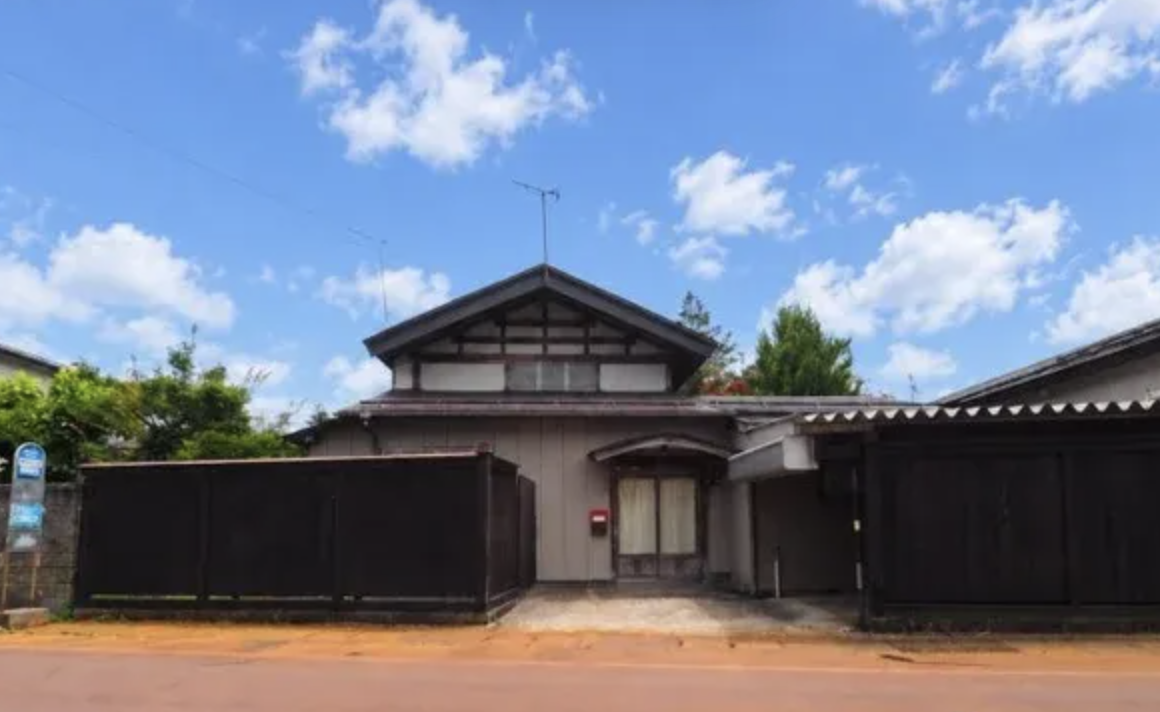
Kakumagawa, Daisen, Akita · ¥2,450,000 (about $15,500) · 131.89 m²
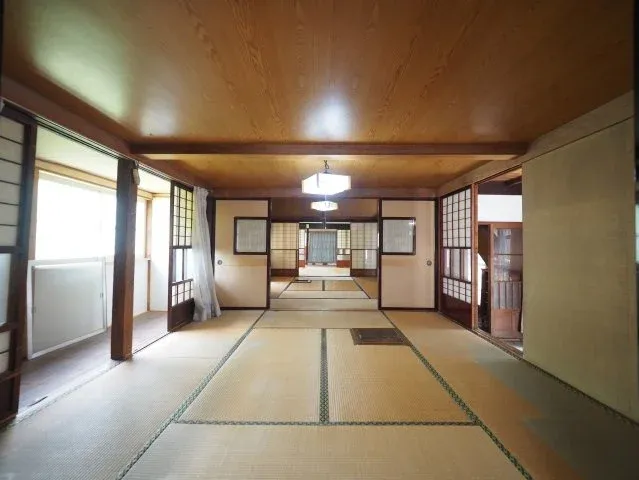
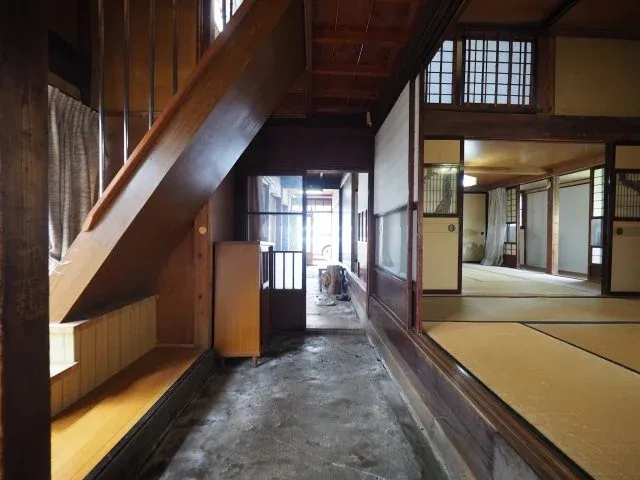
This two-story wooden house went up in January 1918, so it's 108 years old, and it has seven rooms plus a living, dining and kitchen space (7LDK, in Japanese listing shorthand), with Japanese-style rooms, in 131.89 square meters (about 1,420 square feet) on 498.23 square meters of land (about 5,360 square feet). There's parking, a bath, a gas kitchen and town water, and the sewage is "manual collection," which means a truck comes to pump it out. You can walk to the convenience store (620 meters) and the elementary school (770 meters), but the supermarket is 5.1 kilometers away and the hospital 7.9. Akiyahopper puts the total cost of buying it, with commission, taxes, fees and an optional buyer's agent, at about ¥3,910,000, give or take ¥990,000, which is roughly $24,800.
Kakumagawa sits on the Omono River, and a 1995 river history put out by Japan’s Ministry of Construction captions a photo of it from around 1907 as “one of the busiest river ports in the days of water transportation.” Akiyahopper’s notes on Daisen mention its rice fields, and gentan reached them too. Farmers who switched their paddies to other crops got subsidies meant to match what the rice would have earned them. Some part-time farmers planted crops they never harvested – there’s a word for that, sutezukuri – and got paid anyway, according to Kazuhito Yamashita of the Canon Institute for Global Studies. The government announced in 2014 that gentan would end, but in May 2018, when it was supposed to be over, Yamashita argued that nothing had really changed: farmers were still being paid to grow less rice for the table, mostly by growing rice for animal feed instead.
The house is listed through Daisen's akiya bank (the city's register of empty houses), and the contact is the city's office for promoting migration and settlement, so ask them for "Daisen akiya bank No. 114."
Daisen City migration and settlement office, 0187-63-1111, akiya@city.daisen.lg.jp. Also listed on homes.co.jp.
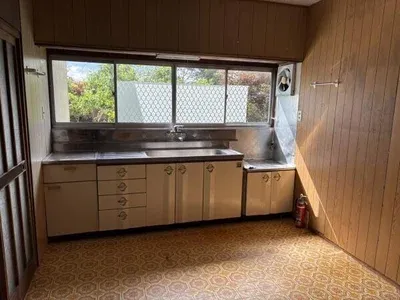
Yuwa Tsubakigawa, Akita City · ¥3,000,000 (about $19,000) · 137.99 m²
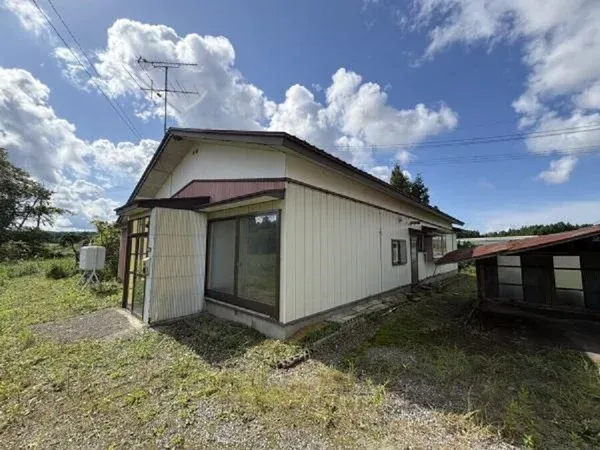
This one-story wooden house from March 1968 has seven rooms plus a dining kitchen (7DK) in 137.99 square meters (about 1,485 square feet), and it's empty and ready to hand over. The city's akiya bank lists the land at 116,461 square meters, about 29 acres, classed as residential, which is a lot of yard for one house, so ask the city exactly what comes with it. It's in what's called an urbanization control area, zoning meant to hold back new building, and the bus stop 400 meters away is named for the old Kawazoe Elementary School. Yotsugoya Station is 5.6 kilometers away, and Akiyahopper estimates the all-in cost at about ¥4,600,000 (roughly $29,100), give or take ¥1,050,000.
Ōgata is in Akita Prefecture too. Reclaiming the lake under it took twenty years, with advice from Dutch engineers, and cost ¥85.2 billion, and on top of the fishermen’s compensation, the makers of tsukudani (small fish simmered down in soy sauce) were paid about ¥38 million. One reviewer of Wood’s book describes the village’s long fight as one between people who see farming as a way of life and people who see it as a business like any other. These days Ōgata also hosts a solar and electric car race, every year since 1993.
Akita City housing policy office, 018-888-5770, ro-cshs@city.akita.lg.jp. Ask for property "08-007."
Ireland
Knocks, Garadice, Ballinamore, Leitrim · €49,000 · 145 m²
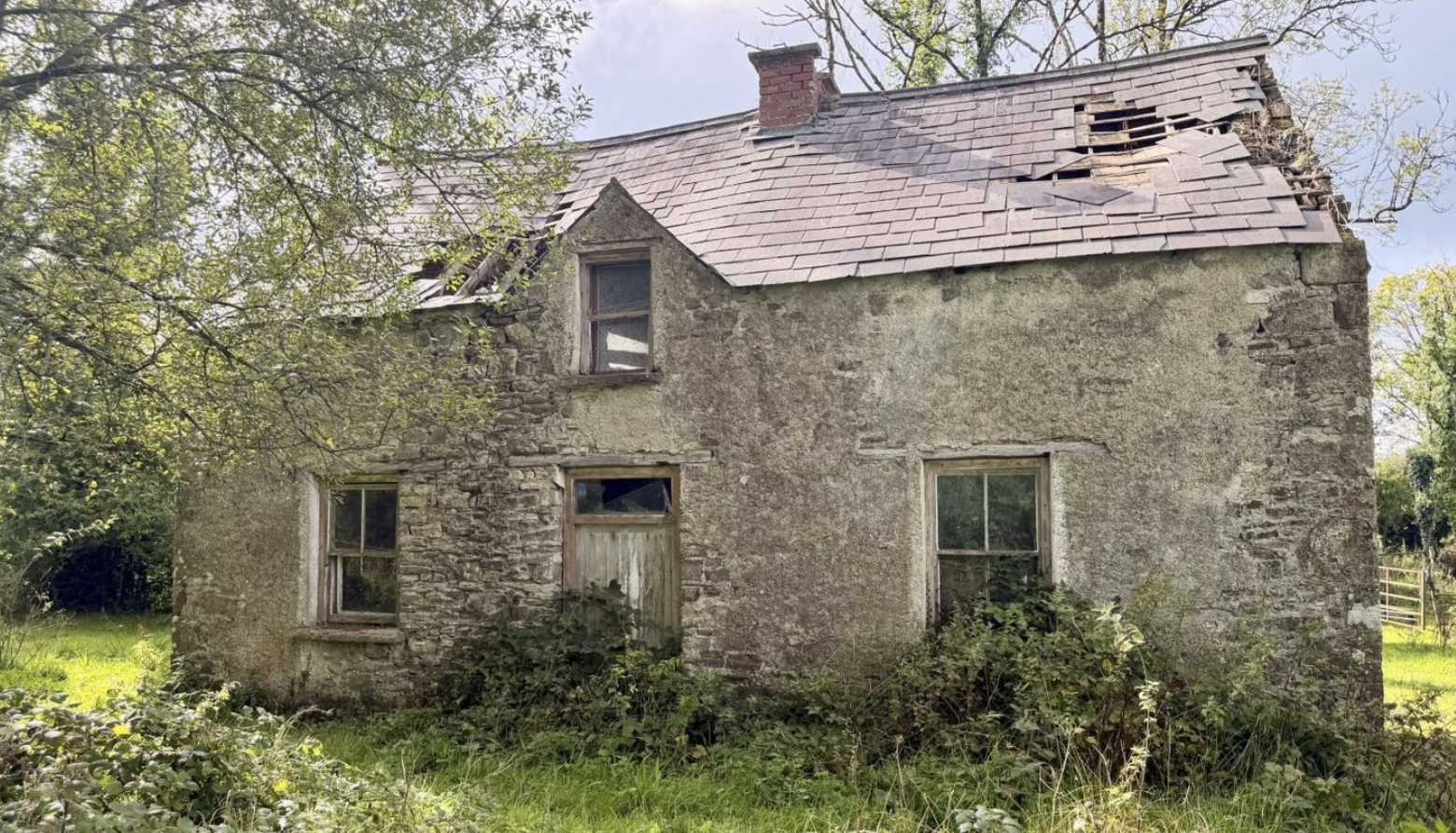
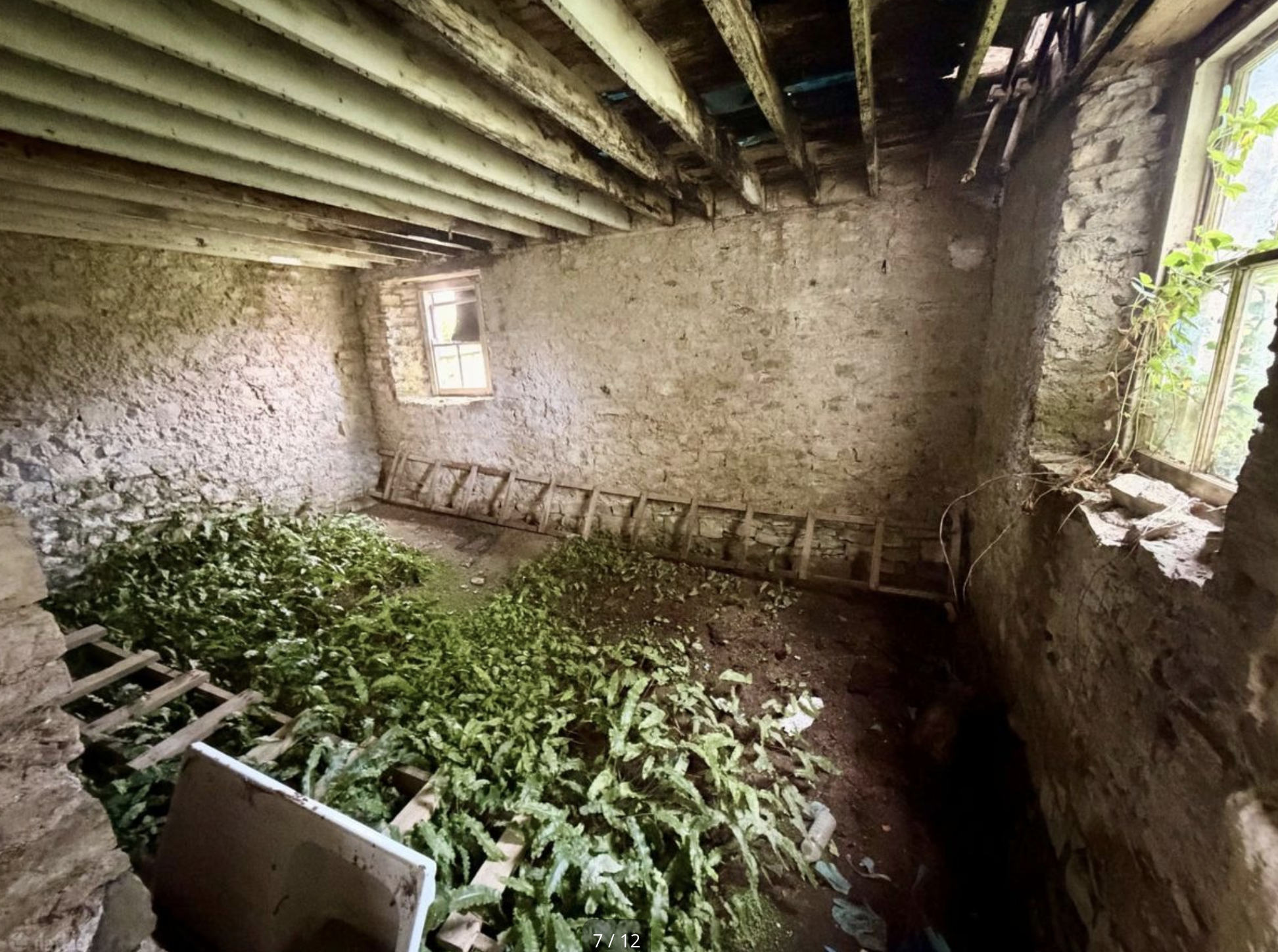
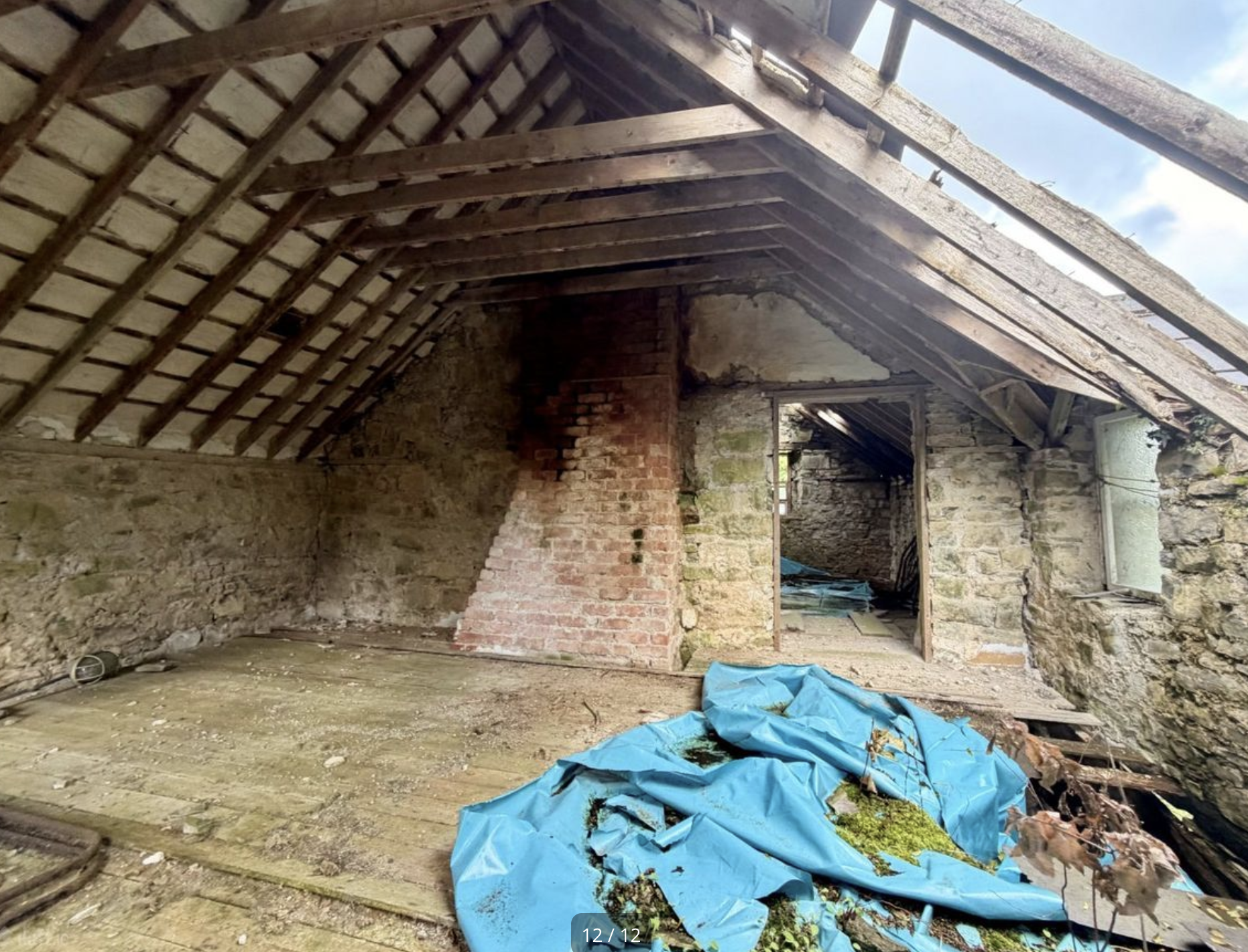
This is a traditional derelict cottage on about 0.86 acres of mature rural land, held on two freehold folios (a folio is the land registry's record of a property). The listing gives the floor area as 145 square meters (about 1,560 square feet), which is a lot of derelict cottage, so ask what that covers. It had planning permission once, and the house drawings are still there to look at, but the permission has lapsed, so a new build would need consent all over again. The agent says it may qualify for the Vacant Property Refurbishment Grant and the Derelict Property Grant, subject to eligibility (Issue 16 has the full rundown), and the Eircode on the listing belongs to the neighbors and is only there to help you find the place.
Ballinamore shares its name with the Ballinamore and Ballyconnell Canal, which opened in 1860 at a cost of £228,000, about €30 million today, and which only eight boats paid to use over its first ten years, according to Waterways Ireland. It was restored starting in 1990 as a flagship project between the Republic and Northern Ireland, with 16 locks, 31 bridges and 12 weirs, and it reopened in 1994 as the Shannon-Erne Waterway, 63 kilometers (about 39 miles) linking the two rivers.
Gordon Hughes Estate Agents, 071 9645555.
Annagh, Killargue, Leitrim · €49,000 · about 700 sq ft
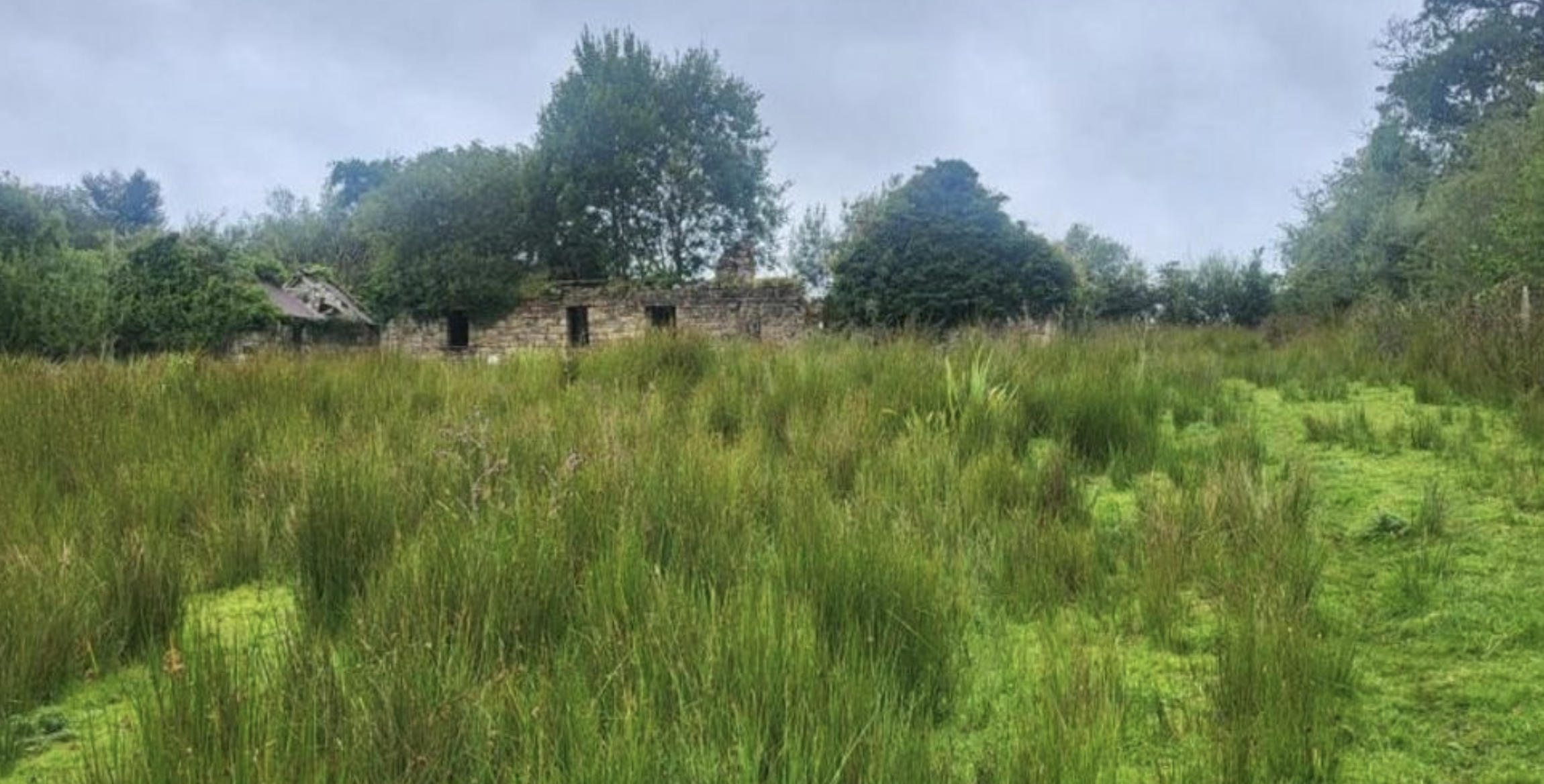
This derelict stone cottage of about 700 square feet sits on about an acre (0.43 hectares), with countryside views and most of the land out front. You're 1.5 kilometers off the R280, the road between Manorhamilton and Drumkeeran, about 9.5 kilometers from Drumkeeran and 13 from Manorhamilton, and there's an old septic tank. The agent says it would qualify for the full Vacant Property Refurbishment Grant and should also qualify for SEAI grants (from Ireland's Sustainable Energy Authority) for energy upgrades. It's been listed since October 2024, so check it's still for sale before you fall for it.
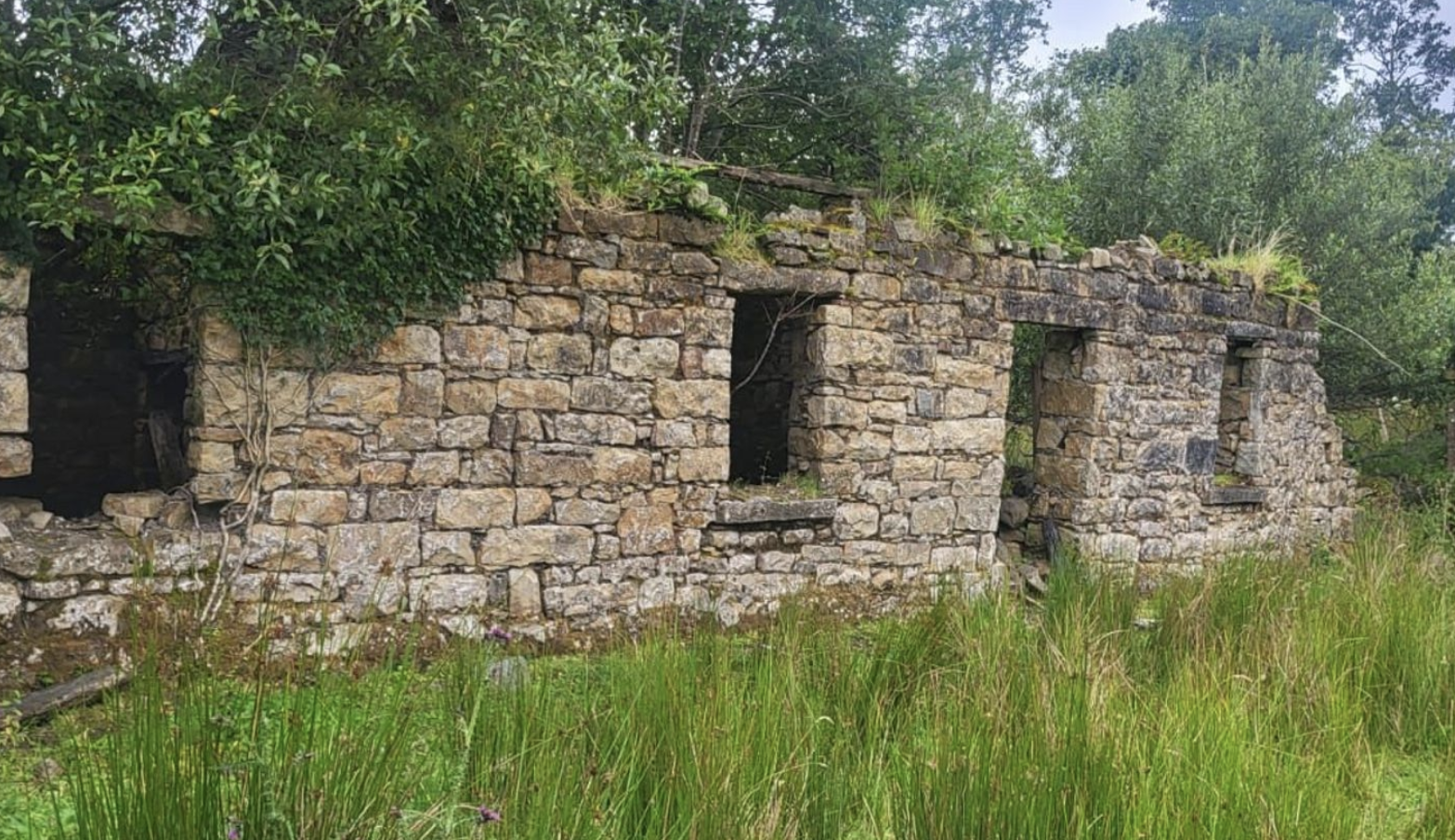
The listing spells the village Killargue and Wikipedia spells it Killarga, and about two kilometers south of it is Belhavel Lough, a lake of about one square kilometer whose Irish name, Claonloch, means crooked lake. In 2014, Jim Connolly of Rural Resettlement Ireland told the Clare Champion that Leitrim was one of the counties families were asking him about.
Leitrim has more forest plantation than any other county in Ireland, 18.9 percent forest cover in 2017 against 11 percent nationally, most of it conifers, with Sitka spruce the dominant species. A 2019 report on forestry in the county estimated that 67 percent of Leitrim farms would earn more from forestry than from farming, and found that just over 30 percent of the forest owners don't live in Leitrim at all. A local campaign, Save Leitrim, says the subsidized Sitka is driving people out, and the report found "a strong divergence of opinion" about that. Ireland's current forestry program has €1.3 billion for 2023 to 2027, with yearly premiums of €350 to €1,142 a hectare, paid for 20 years to farmers and 15 to other landowners for most kinds of forest. When it was approved, the agriculture minister at the time, Charlie McConalogue, said it was "designed to attract and reward farmers ahead of any other landowners."
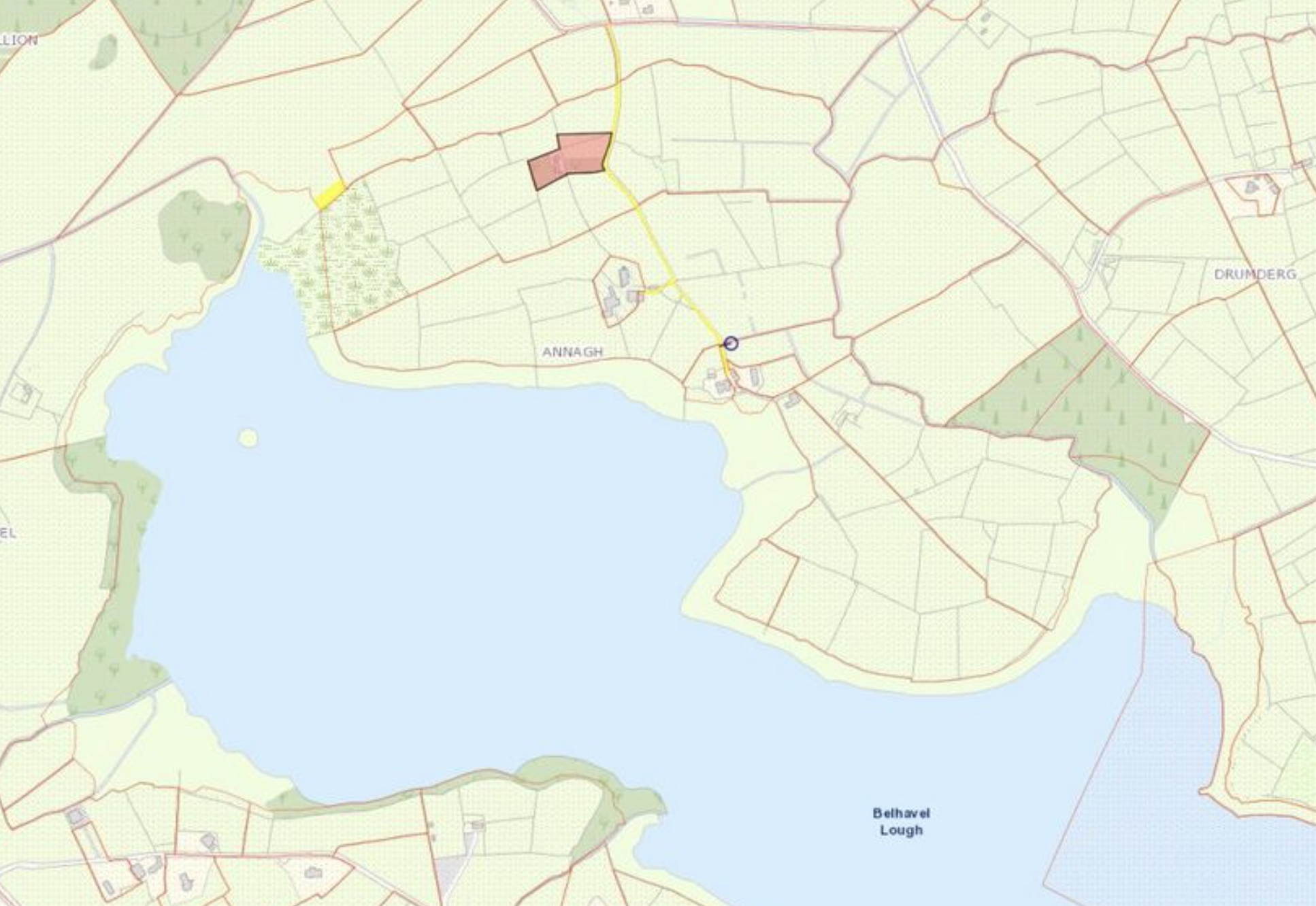
Anthony Feeney, folio LM12222F.
The Fine Print
You can't buy a house in Yucun. Rural families in China don't own their land, they hold the right to use it. "Households have use rights. Households don't have ownership rights," the economist Loren Brandt told NPR in 2021. In February 2025, the government's annual "No. 1 document" on rural policy explicitly barred city residents from buying rural homes, according to the South China Morning Post.
At Moganshan, the route outsiders have taken is renting. In 2007, Grant Horsfield, who is South African, rented six run-down village houses there for 10,000 yuan a year each, on fifteen-year terms, and turned them into homestays, according to China Daily, which is state-run. By its count Moganshan now has more than 800 registered B&Bs, about 150 of them run by foreigners. Two years after Horsfield's leases, Mark Kitto, who lived on the mountain, wrote in Prospect that a local administration office told him it couldn't rent out the village's empty villas because "it's against the rules."
Japan's April 2026 disclosure requirement for foreign buyers is in Issue 20.
Lifestyle & Culture Notes
Ogata Fuji: Notes for the Summit
An expedition we have not yet made...
- Ogata Fuji is 3.776 meters tall, exactly a thousandth the height of Mount Fuji.
- The village sits below sea level, so the summit is at exactly zero.
- The ascent is 23 steps.
- Building it took about a year, because the reclaimed land underneath is soft mud for about 60 meters down. In the first two weeks it only reached half its planned height, so the builders filled part of the mound with polystyrene foam to make it lighter and keep it steady on the mud.
- In winter, ground blizzards make it hard to climb.
- The Ogata Reclamation Museum, at the village’s roadside station, issues a certificate to anyone who reaches the top.
- We would like one.
Recipes from the Map
Kiritanpo Nabe via Cooking with Dog. Akita's hot pot is a chicken broth seasoned with soy sauce and mirin, cooked with burdock, maitake and other mushrooms, chicken thigh and kiritanpo, which is pounded rice shaped into cylinders and cut on the diagonal.
Braised Spring Bamboo Shoots (You Men Sun) via The Woks of Life. Judy calls this one of her favorite old-world dishes from Shanghai (where Gürkan's trip ended) and it's simple: fry a little ginger in hot oil, melt rock sugar into it, brown the bamboo shoots, braise them with Shaoxing wine and two soy sauces for ten minutes, then boil the liquid down until they're glossy.
What we're reading
The Conservation Reserve Program and Rural Communities in the United States via Resources for the Future, by Brandon Holmes and Matthew Wibbenmeyer, published October 6th.
From bamboo villages to megacities: My journey through China via Daily Sabah, by Ayşe Begüm Gürkan. Her trip was organized by China's international development agency, and most of her figures come from Chinese government sources.
Rural debt now exceeds C¥900 bn via China Policy, from September 2023, drawing on agriculture ministry data and China Newsweek.
No More of the False Report of Abolition of the Gentan Policy! via the Canon Institute for Global Studies, by Kazuhito Yamashita, from June 2018, and Japan faces the bitter harvest of agricultural neglect via East Asia Forum, from May 2025.
Ballyfermot family who find keys to the kingdom via The Irish Times, from September 1997. For how Rural Resettlement Ireland ended, see the Clare Champion from 2014 and the Dublin Inquirer from 2019.
Mapping China's back-to-the-land efforts via ChinaFile, from December 2014, by the makers of the short film Down to the Countryside.
Pheasants Fair Game via DTN/Progressive Farmer, by Lynn Betts, from April 2019.
Pheasants losing habitat to farmland via High Plains Public Radio, by Grant Gerlock, from November 2013.
A few books relevant to rural migration...
Giants in the Earth by O.E. Rølvaag
O Pioneers! by Willa Cather
Rehearsal for Reconstruction: The Port Royal Experiment by Willie Lee Rose
Zapata and the Mexican Revolution by John Womack Jr.
Fordlandia: The Rise and Fall of Henry Ford's Forgotten Jungle City by Greg Grandin
The Lost Generation: The Rustication of Chinese Youth (1968–1980) by Michel Bonnin
African Socialism in Postcolonial Tanzania: Between the Village and the World by Priya Lal
Ogata-Mura: Sowing Dissent and Reclaiming Identity in a Japanese Farming Village by Donald C. Wood
China in One Village by Liang Hong, translated by Emily Goedde
Live from our group chat
Malia: The wall in the gym parking lot is covered in passion fruit!
Wally: Don’t they belong to the neighbor on the other side of the wall?
Malia: Once it’s hanging over on our side, isn’t it basically public fruit?
Wally: [Puts on his workout clothes, grabs the fruit picker and heads out the door.]
That's issue twenty-two. Thanks for reading.
Until next week, Wally & Malia
Remnant is a weekly newsletter about distressed and beautiful houses around the world. We are not real estate agents. We just got a little obsessed and started digging. What will you do with what we find?