Remnant – Issue No. 21


Can art bring a village back? Four houses in Spain and Sicily's art towns, from €4,000
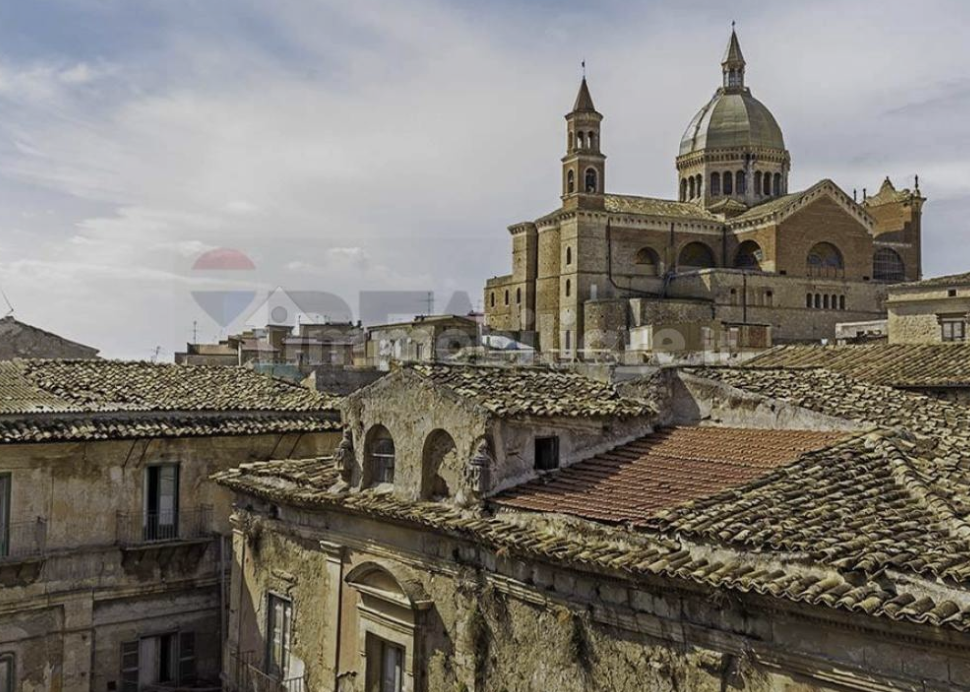
How powerful is art? These days in the United States one might not be so sure, but if we look back throughout history the arts are a cultural driving force. This week we're looking at towns that are leaning into art and artists as a strategy for revitalization, and seeing real results.
In southern Spain, in the Genal Valley of Málaga province, Genalguacil is a village of about 350 people that calls itself the Pueblo Museo (the Town Museum). Since 1994, more than 250 artists have come to make work in its streets and leave it there, and even the benches and house numbers are part of the collection. The village had about 1,500 people in the 1950s, and its mayor, Miguel Ángel Herrera, says the art brought new bars and restaurants and kept the school open with more pupils.
We were inspired by the story, did some research and not surprisingly found other places doing the same. In Torralba de Ribota, a village of fewer than two hundred people in Aragon, an arts association has been running artist residencies, a festival and a traveling cinema since 2014. In Favara, in southern Sicily, a couple opened Farm Cultural Park in the abandoned old center in 2010, the same year of a tragic a building collapse in the rundown town. In Kamiyama, a mountain town on the Japanese island of Shikoku, an artist residency that began in 1999 grew into a program recruiting new residents, and in 2011, more people moved to the town than left it (that year).
This week: four houses in art towns in Spain and Sicily, from €4,000 to €115,000, what happens to house prices when the visitors come, the Kamiyama story, two recipes from the map, what we're reading, and our group chat.
Spain
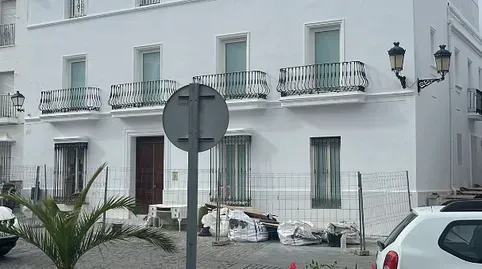
Calle Real 64, Genalguacil, Málaga · €115,000 · 85 m²
This is a first-floor flat in the middle of the Pueblo Museo, built in 2000, with three bedrooms, one bathroom and a southwest-facing terrace in 85 square meters (about 915 square feet). The agent calls it almost new, the kitchen comes equipped, the price just dropped from €130,000, and the energy rating is G. Ronda is 45 minutes away and the Costa del Sol beaches under an hour, according to the listing, which suggests it as a home or a rural tourism investment.
Genalguacil's name comes from the Arabic for "gardens of the vizier." The hills around it are full of pinsapo, the rare Spanish fir, and every autumn the valley's chestnut woods turn ochre and brown, which is why they're called the Bosque de Cobre, the Copper Forest. At this August's Encuentros de Arte, Pablo Bellot made a piece out of 100 creations by 100 people who live in the village, and the mayor told Charry TV that the village's lodging and restaurants were full.
Carmen Troyano Properties, reference 202617.
Plaza España 4, Torralba de Ribota, Zaragoza · €52,000 · 442 m²
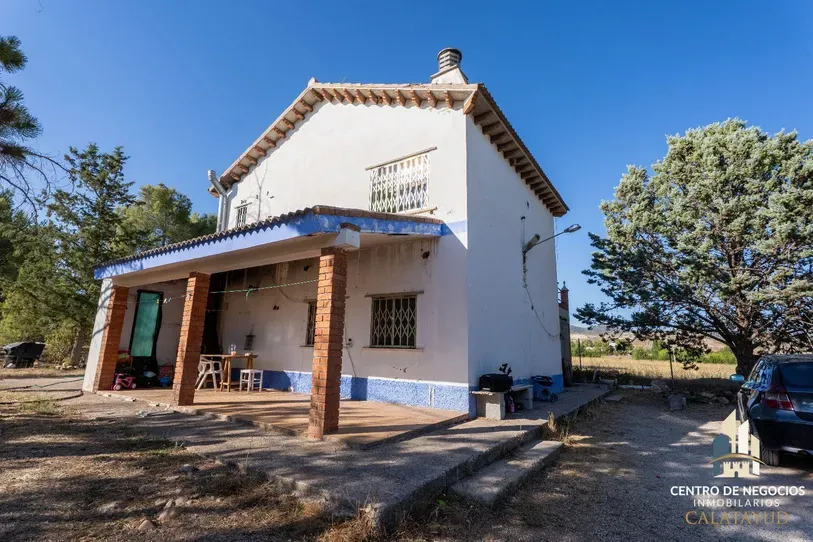
This was the village's old obrador (workroom), and it still has its oven from 1943, kept, the agent says, "as a museum piece." The ground floor could take a business, the floor above has a big living and dining room, three large bedrooms, a bathroom and a kitchen, and there are three attic rooms on top, 442 square meters in all (about 4,760 square feet), plus a garage annex of more than 100 square meters. The energy rating is G, and Calatayud is ten minutes away.
Torralba de Ribota had 172 people in 2018. Its church of San Félix is a fortress church from the late 1300s and early 1400s by the Mudéjar master Mahoma Ramí, with a guard walkway above the chapels, a choir ceiling carved with dragons and birds, and, in the central chapel, an inscription punched into the plaster that reads "Say: There is no God but Allah."
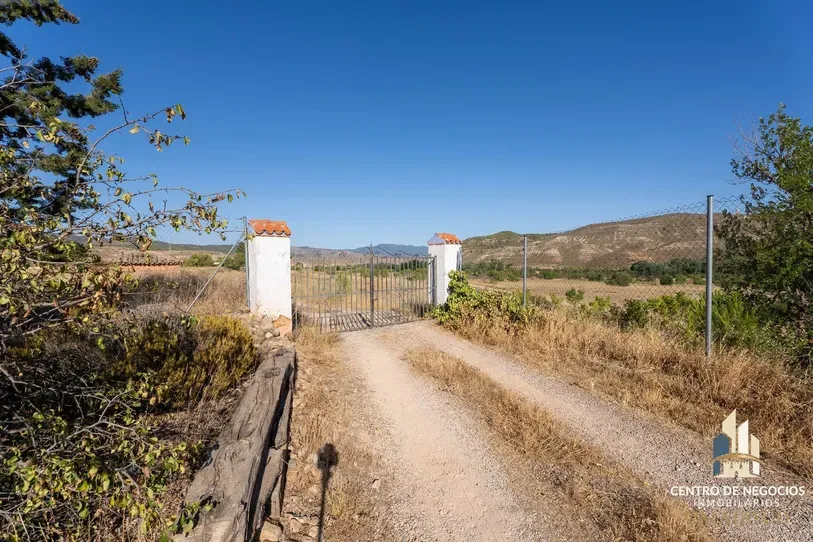
In 2014, Lucía Camón and Alfonso Kint started Pueblos en Arte here, running artist residencies with housing, a festival, a traveling cinema, and help for people who want to move to the area. Pilar Sos, then 87, told Equal Times in 2017 that "the village would probably have died out if they hadn't come."
INNOVA LM, reference g323.
Italy
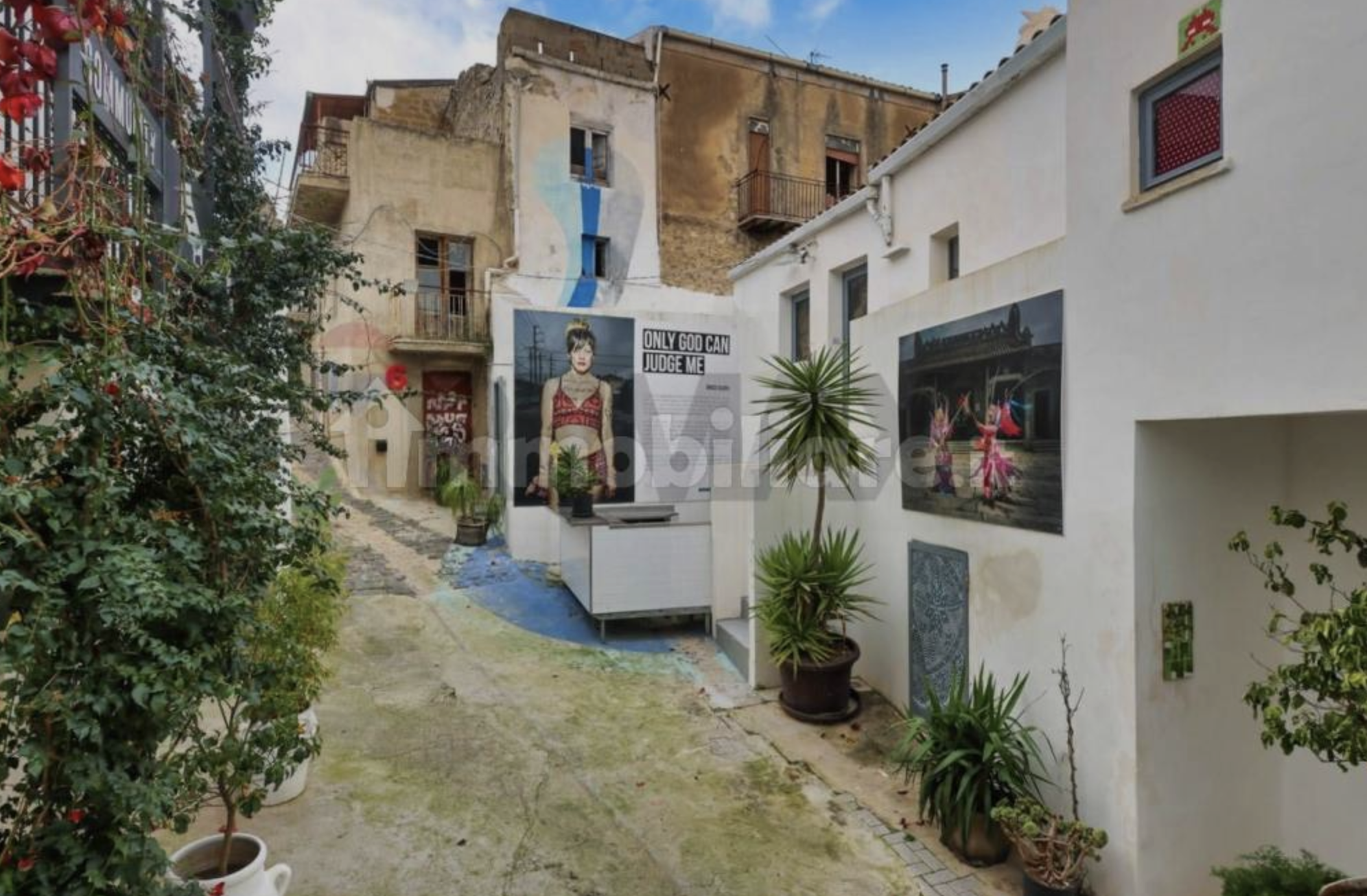
Via Umberto 59, Favara, Agrigento · €4,000 · 53 m²
Four thousand euros gets you a two-story house in Favara's historic center, with three rooms in 53 square meters (about 570 square feet). It needs everything, floors and roof included, and the energy rating is G. The agent suggests a B&B or a boutique hotel, and points out that Farm Cultural Park is in the neighborhood and the Valley of the Temples is 30 minutes away.
Favara is a town of about 32,000 in southern Sicily, and its old center was mostly empty by the 1990s. On January 23rd, 2010, a building on Via del Carmine collapsed and killed two sisters, Chiara Bellavia, who was three, and Marianna, who was fourteen. Andrea Bartoli and Florinda Saieva had been planning an arts center in the old courtyards, and after the collapse they opened it within four months. Farm Cultural Park now has a gallery, a children's museum, a garden bar and shops. "Favara was a somewhat unlucky place, always associated with the mafia, with corruption, with illegal building," Bartoli told Frizzifrizzi in 2022. "Today it's the city of young people, of art, of experimentation."
RE/MAX Platinum 6, reference 40001140-243.
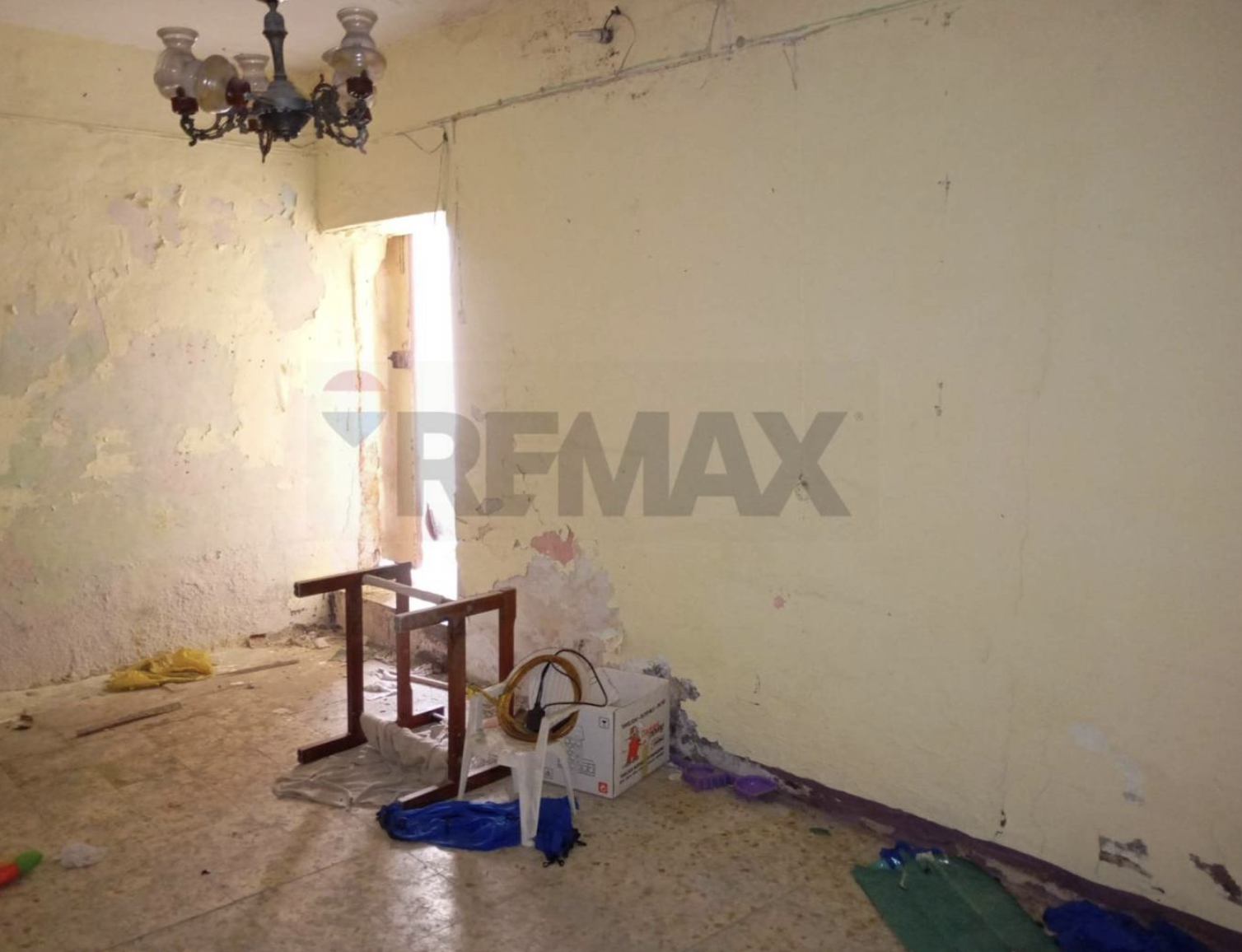
Cortile Arciprete, Favara, Agrigento · €10,000 · 74 m²
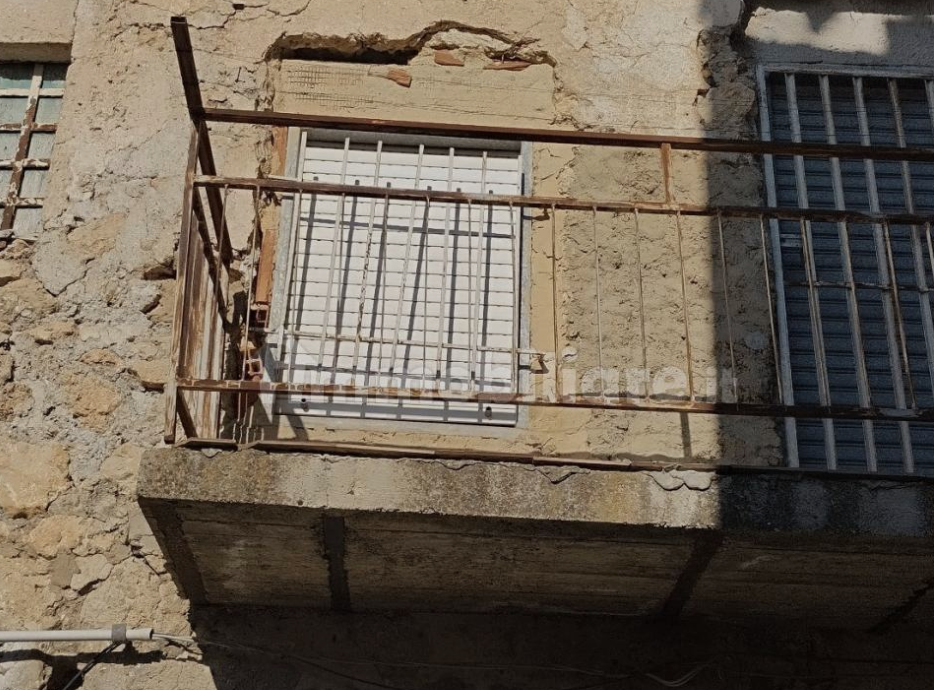
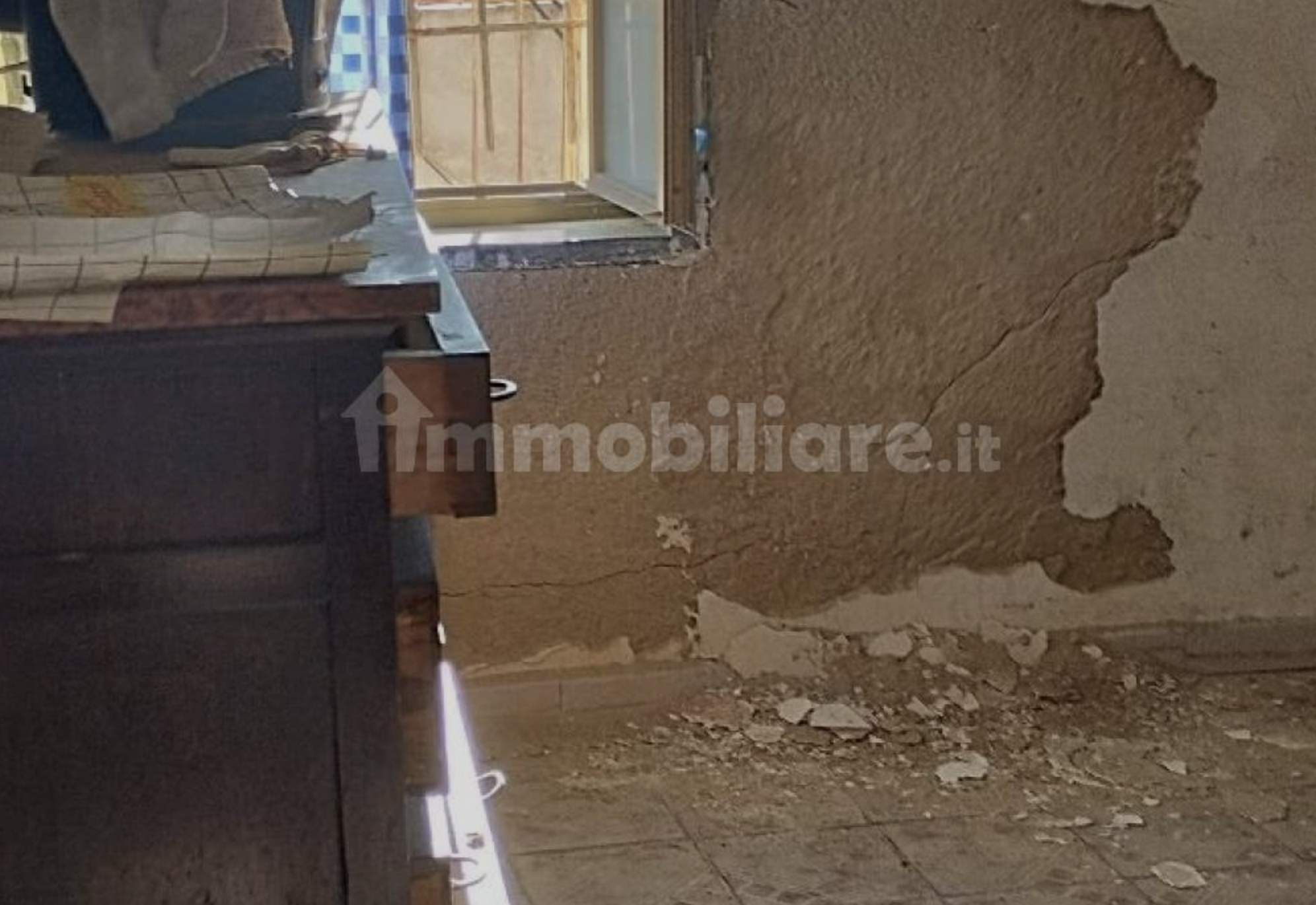
Cortile means courtyard, and this is a ground-floor terratetto (a house that runs from the ground to its own roof) built in 1900, 74 square meters (about 800 square feet) with one main room, a kitchen, two bathrooms and a small balcony. There's no heating, it needs renovating, and the owner is selling it privately. Ask about that layout. Like the other Favara listing, this one looks seriously rough. Question is, are you up for a major challenge?
Favara calls itself the city of the Easter lamb, after the marzipan lamb filled with pistachio that the nuns of the Collegio di Maria first made in the nineteenth century (recipe below).
Private sale, reference EK-131823180.
The Fine Print
When a village gets popular, its houses get more expensive, and for owners that's mostly good news. A house that's worth something gets sold, fixed or lived in. Cornelia Reiher, who researches rural migration in Japan at the Freie Universität Berlin, found that vacant houses there often stay vacant because they're worth so little that heirs don't bother, and since demolition is expensive and an empty lot is taxed more than one with a house on it, the house just sits.
Favara's average asking price in July was €493 a square meter, up 0.82 percent on the year before, according to Immobiliare, sixteen years after Farm Cultural Park opened.
Matera, European Capital of Culture in 2019, is the other end of it. In July, Il Fatto Quotidiano, drawing on Corriere della Sera, reported that Matera's rents had risen 33.5 percent, which it put down to the boom in tourist rentals, along with a €14 focaccia and the town's first McDonald's.
The people that squeezes are renters and young locals who want to stay. Penelles, in Catalonia, has 428 people, more than 150 murals from its Gargar festival and an estimated 50,000 visitors a year, and Fotocasa had no homes for sale there this week.
Lifestyle & Culture Notes
Kamiyama, Japan
From Yoshimoto Mitsuhiro's piece in FIELD:
Kamiyama is a mountain town in Tokushima Prefecture, on Shikoku, which had about 21,000 people in 1955 and 4,930 in 2022, and grows about a quarter of Tokushima's sudachi, a small, sour green citrus.
It started with a doll. In 1927, Americans sent more than 11,000 blue-eyed dolls to Japanese children as a gesture of friendship, and during the war many were destroyed. A teacher in Kamiyama hid one. When it turned up around 1990, the PTA, whose vice president was a local builder named Shinya Ominami, traced the sender's family to Wilkinsburg, Pennsylvania, and took Alice home in 1991.
The group behind that trip launched the Kamiyama Artist in Residence program in 1999, bringing two artists from abroad and one from Japan each year and pairing each with a "pop," a volunteer who helps with the work, and a "mom," who helps with daily life. Then their nonprofit, Green Valley, started asking what the town needed. It asked would-be residents for a ten-year life plan and filled empty shopfronts with the trades the town lacked, a bakery, a design studio, and tech companies followed with satellite offices. In 2011, for the first time, more people moved to Kamiyama than left.
Ominami calls it "creative depopulation," which he describes as "accepting the reality of depopulation; not trying to change it in absolute numbers but in its content."
Recipes from the Map
Pasta reale ripiena di pistacchio: come si prepara il dolce agnello pasquale di Favara via Balarm, in Italian. Nicoletta Fersini gives the 1898 recipe for Favara's Easter lamb.
Migas Aragonesas via Great British Chefs. Stale bread broken into crumbs and fried with bacon and onion until golden, topped with an egg fried crisp in butter and a grated black truffle.
What we're reading
Genalguacil: art and innovation driving rural growth, with the short film that inspired this issue.
Artists wanted, to bring villages back to life via Equal Times, by María José Carmona, from 2017, on Torralba de Ribota, Favara and the hamlets of Castelo Branco in Portugal.
A arte urbana chegou às aldeias beirãs via Público, in Portuguese. Four villages outside Castelo Branco got muralists, Vhils among them, and the parish council president said it made people "feel they haven't been forgotten."
In images: Spanish village fights depopulation by becoming open-air gallery via The Local. Photos of Penelles, where the Gargar festival has brought graffiti artists, muralists, illustrators and even tattoo artists from as far as New Zealand and Chile every May since 2016, and more than 150 murals now cover the village.
Where starlings soar and Street Art roars: the colorful rebirth of Stornara! via Street Art Cities, from November 2025. In 2018 a group of locals in Stornara, a farming town in Puglia with, in their words, "no real tourist attractions," started the Stramurales festival, and the town now has more than 150 murals. Residents bring the artists water, food and shade in the summer heat, and the organizers never ask to see a sketch or approve a color. Every artist gets travel, food, a bed, materials and the same modest fee. The first two editions were self-financed with help from locals, regional money came in from 2020, and the piece ends with news that the latest round of funding hadn't come through. That wasn't the first strain. Back in January 2024, Stornara Life's president, Lino Lombardi, told InsideCapitanata that the new town administration had become "a ball and chain" for the festival. As far as we can tell there hasn't been a 2026 edition, though in February the mayor, Roberto Nigro, was presenting Stornara's 153 murals at Milan's BIT tourism fair, and the town says its next goal is to be recognized as a Città d'arte (City of Art), with a museum.
Revitalizing Rural Japan: the Echigo-Tsumari Art Triennale via Nippon.com, from 2015, on the festival that turned closed schools in Niigata into galleries.
Live from our group chat
Malia: We should invite someone to paint a mural on our building.
Wally: The landlord might have thoughts.
Malia: How could he argue it's art, he'd be revitalizing the neighborhood.
That's issue twenty-one. Thanks for reading.
Until next week, Wally & Malia
Remnant is a weekly newsletter about distressed and beautiful houses around the world. We are not real estate agents. We just got a little obsessed and started digging. What will you do with what we find?