Remnant – Issue No. 19


Zungoli, Italia's €1 houses in 2026, plus four open market ones from €13,000
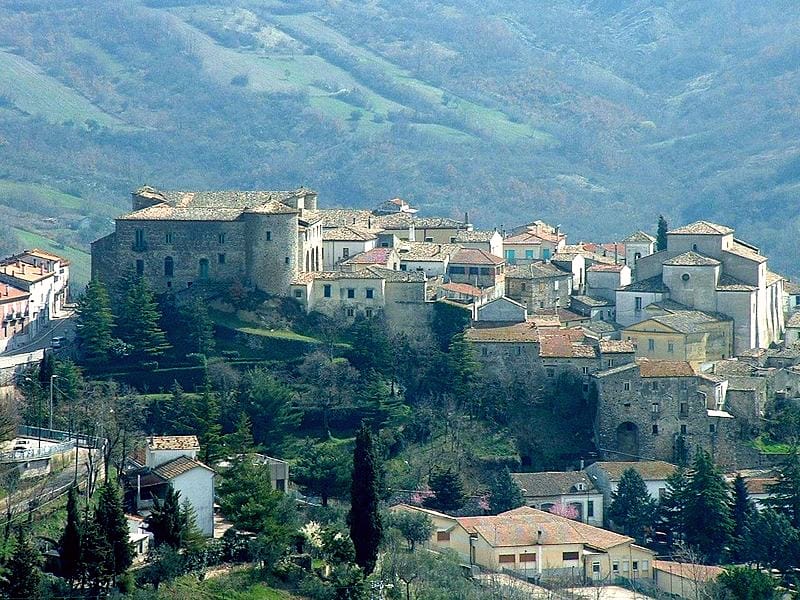
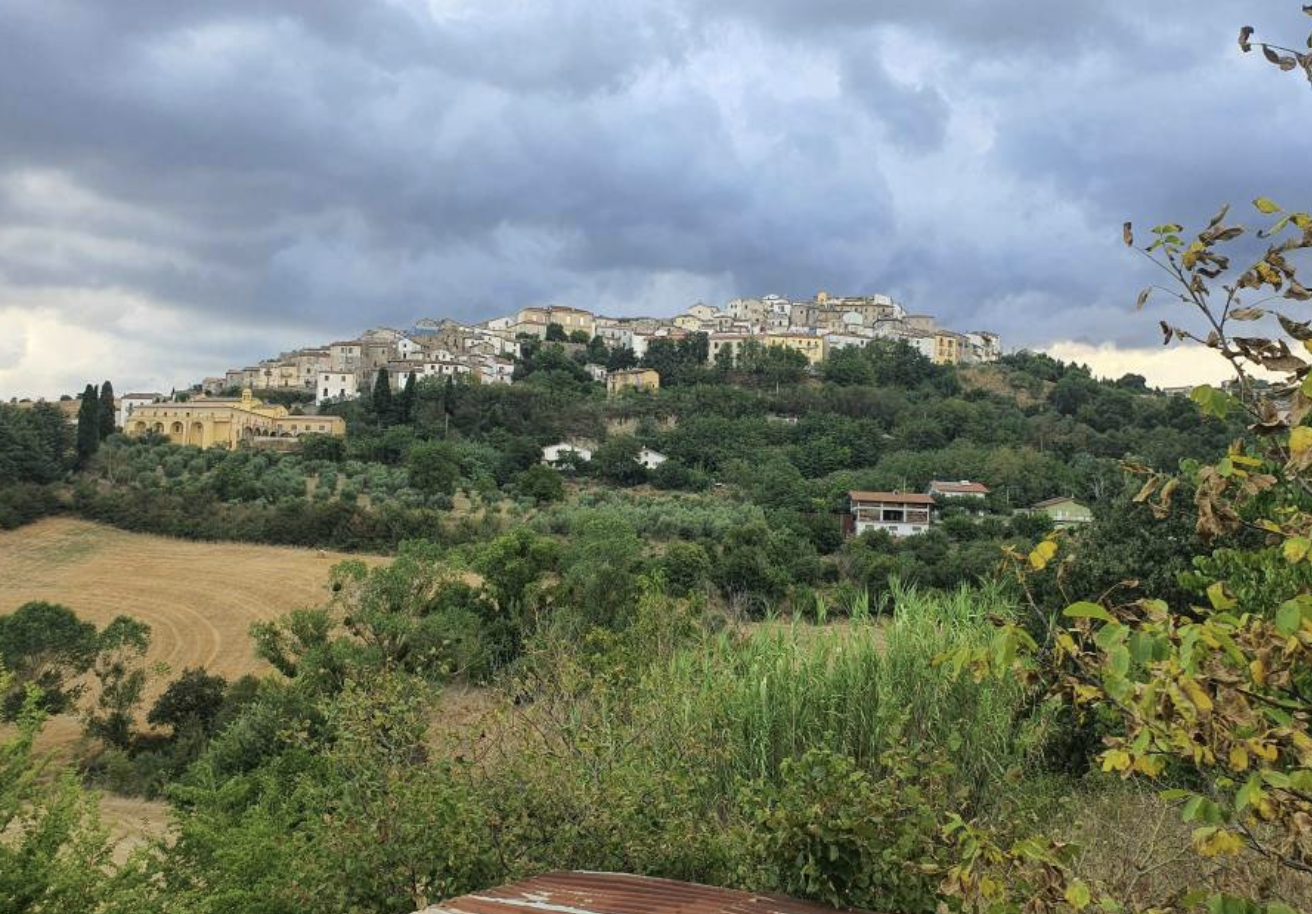
In south central Italy, up in the Irpinia hills of Campania, Zungoli is village ranked as one of I Borghi più Belli d'Italia (The most beautiful villages of Italy). With a population of under 1000 people, the town is built on tufa (tuff), a soft volcanic rock, has been dug out over centuries into a network of caves, cellars and tunnels on several levels, many of them Byzantine, used at various points as shelters, as food stores and as places of worship. Because tufa caves holds a constant temperature year-round, some of those them are now used to age caciocavallo podolico, a stretched-curd cow's milk cheese.
Zungoli caught our attention via an InItaly guide 2026 call for 1 euro house applications. We dug a little, and we still can't tell you for certain whether there is a 2026 call, which is a small mystery we have laid out below along with the phone number and email (in The Fine Print) that might help solve it. Challenge! That's us daring you to take your interest to the next level:) The listings this week are actually six houses on the open market. The least expensive of those is €13,000 for forty-five square meters – with an ancient cellar beneath for your cheese aging pleasure. I our opinion it looks preety charming and functional for 13k.
This week: the Zungoli bando, four houses, the caves and what they have to do with transhumance and the half-wild cattle up in the mountains, four books for the inland south, a summer vegetable stew, what we're reading, and our silly group chat.
Zungoli, Campania
Nobody is certain where the name comes from. One account traces it to a Norman captain, Curulo or Juncolo, who raised the first fortress on the hill, the Castrum Curuli that still appears on the town's coat of arms. Another hears in it giunchi, the rushes that used to grow in the damp ground below. The Normans built a fortified rocca up there in the eleventh century to hold off Byzantine raids, it was kept in earnest defense until 1525 when it passed to the Loffredo of Trevico, and since 1825 it has belonged to the Susanna family, whose name it now carries.
The historic center below it is a medieval layout of narrow streets, stone stairways and houses pressed up against each other, with a Mother Church holding the village's sacred art and a run of noble palaces with carved stone portals and wrought-iron balconies, some still lived in and some not. There is a lane the locals have set aside for lovers. Local associations run tours of the caves that can be visited. The territory produces a DOP extra virgin olive oil from the Ravece olive, and the transhumance festival, which is the seasonal moving of livestock between pastures, runs on the first Sunday in September. The Touring Club Italiano has given the place a Bandiera Arancione, and it belongs to the Borghi più Belli d'Italia circuit.
Getting there by car, it's the A16 Napoli–Canosa, exit at Grottaminarda, then the provincial road toward Ufita, and while the nearest stations are Benevento and Ariano Irpino you would want a vehicle for the last stretch from either one, because public transport into the inland towns is thin. Avellino is about 60 kilometers away, and the Puglia border is close enough that the cooking and the building habits have been borrowing from both sides for a long time.
Four houses in Zungoli
Six are on the open market in the village. These are the four under €40,000.
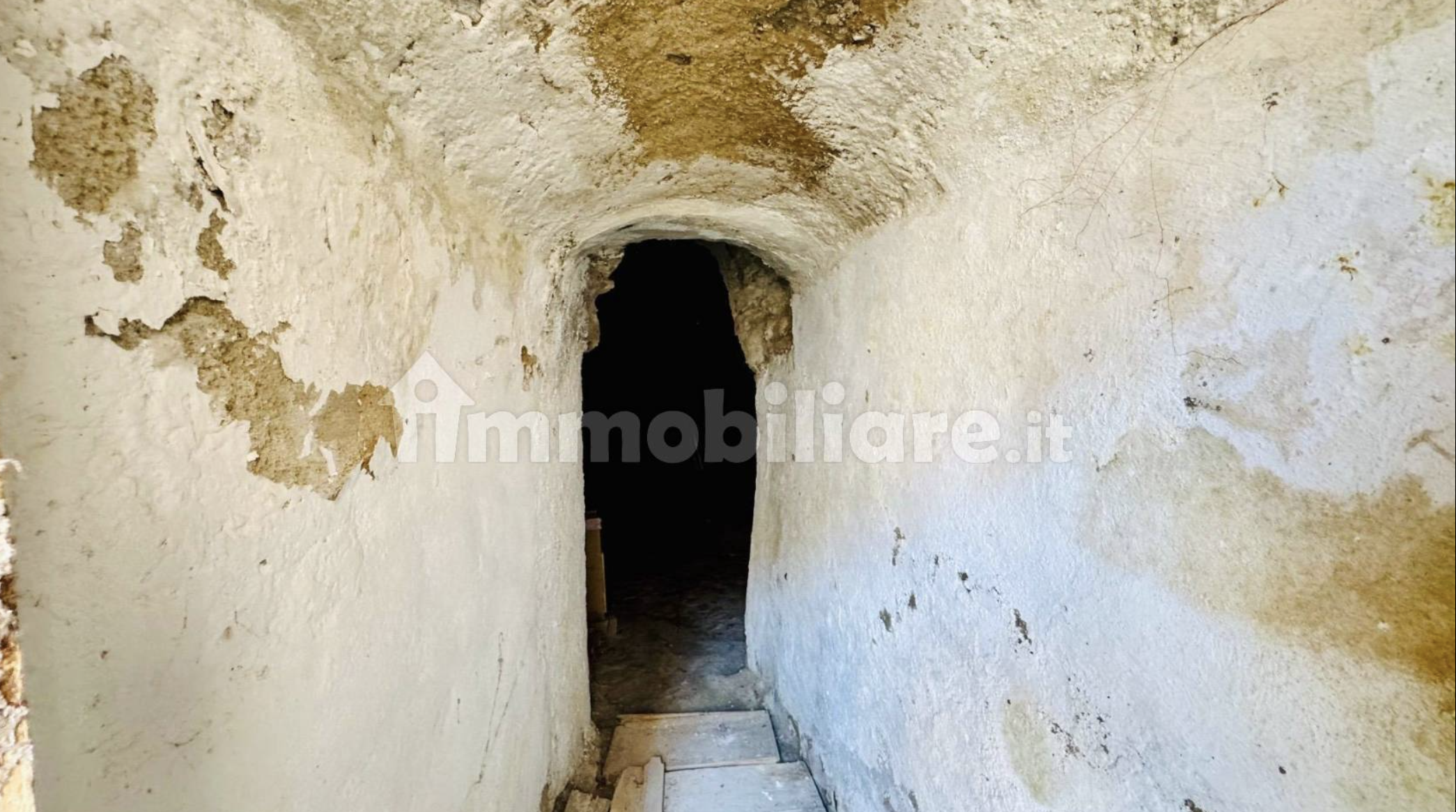
Via Porta Sant'Anna 54 · €13,000 · 45 m²
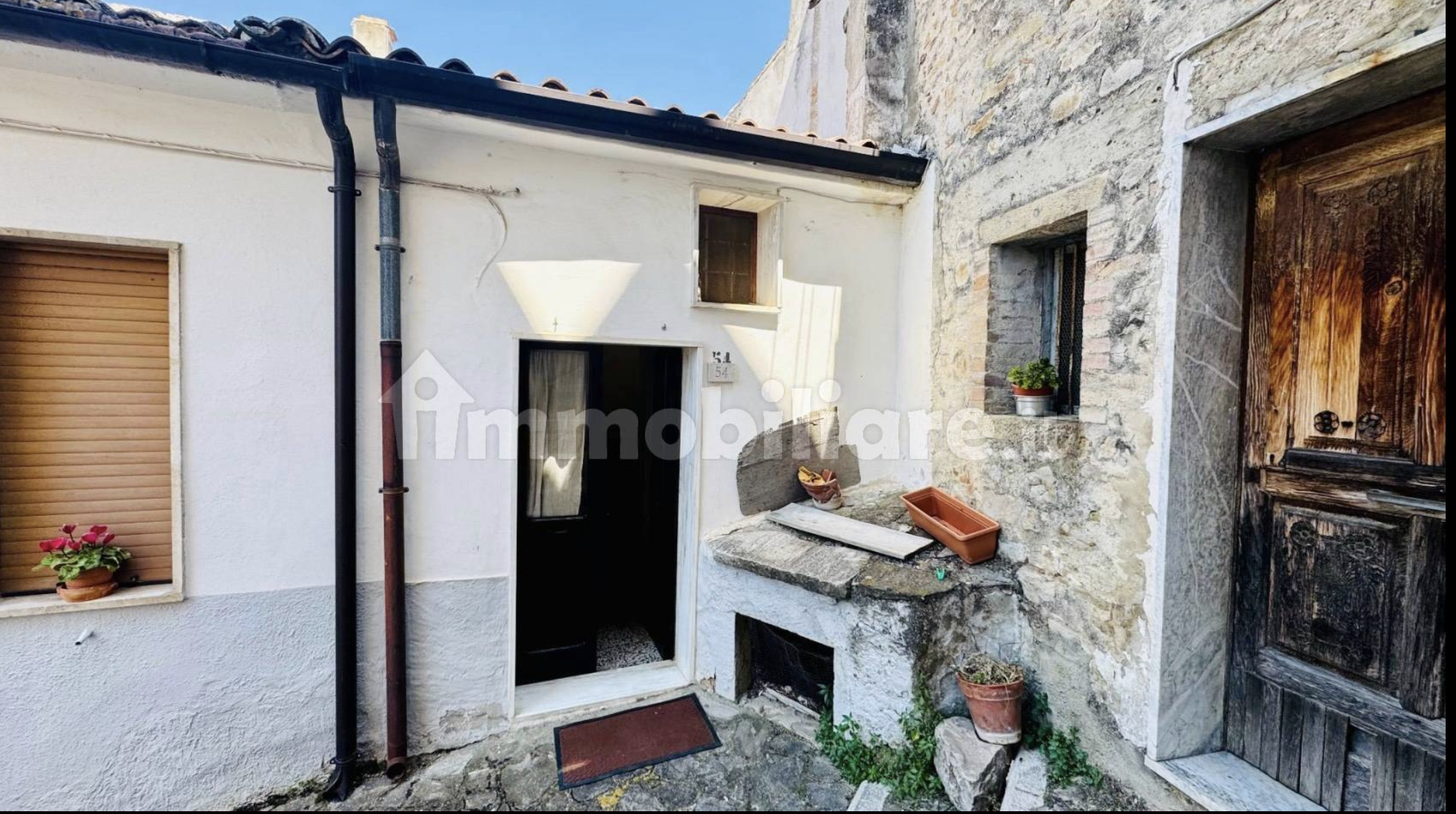
The cheapest house we found on the regular market. Forty-five square meters, which is 484 square feet, a bit bigger than a two car garage, arranged as a kitchen, two bedrooms and a bathroom on the ground floor of a one-story building, with a cellar in the basement. It works out to €289 a square meter. The energy class is listed as not classifiable, there is no year of construction given, and no heating system is specified.
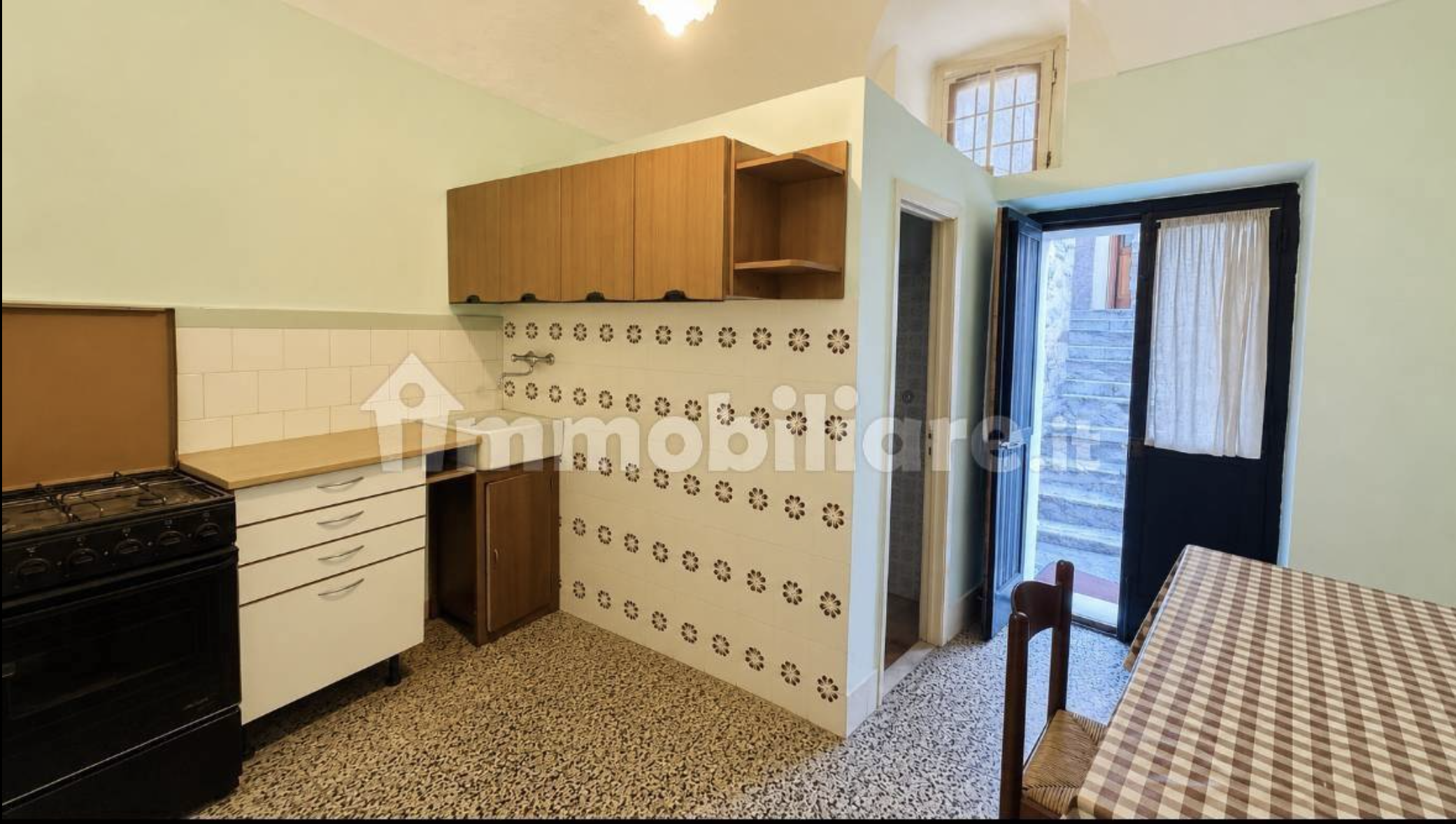
The listing is categorized as a multi-family detached house, and the agent's description calls it a semi-detached house in the historic center. Those are different things and they have different implications for what you would own and what you would share. Casagrin Immobiliare, in Grottaminarda, reference 7347, updated May 6th.
Via Provinciale 18 · €30,000 · 120 m²
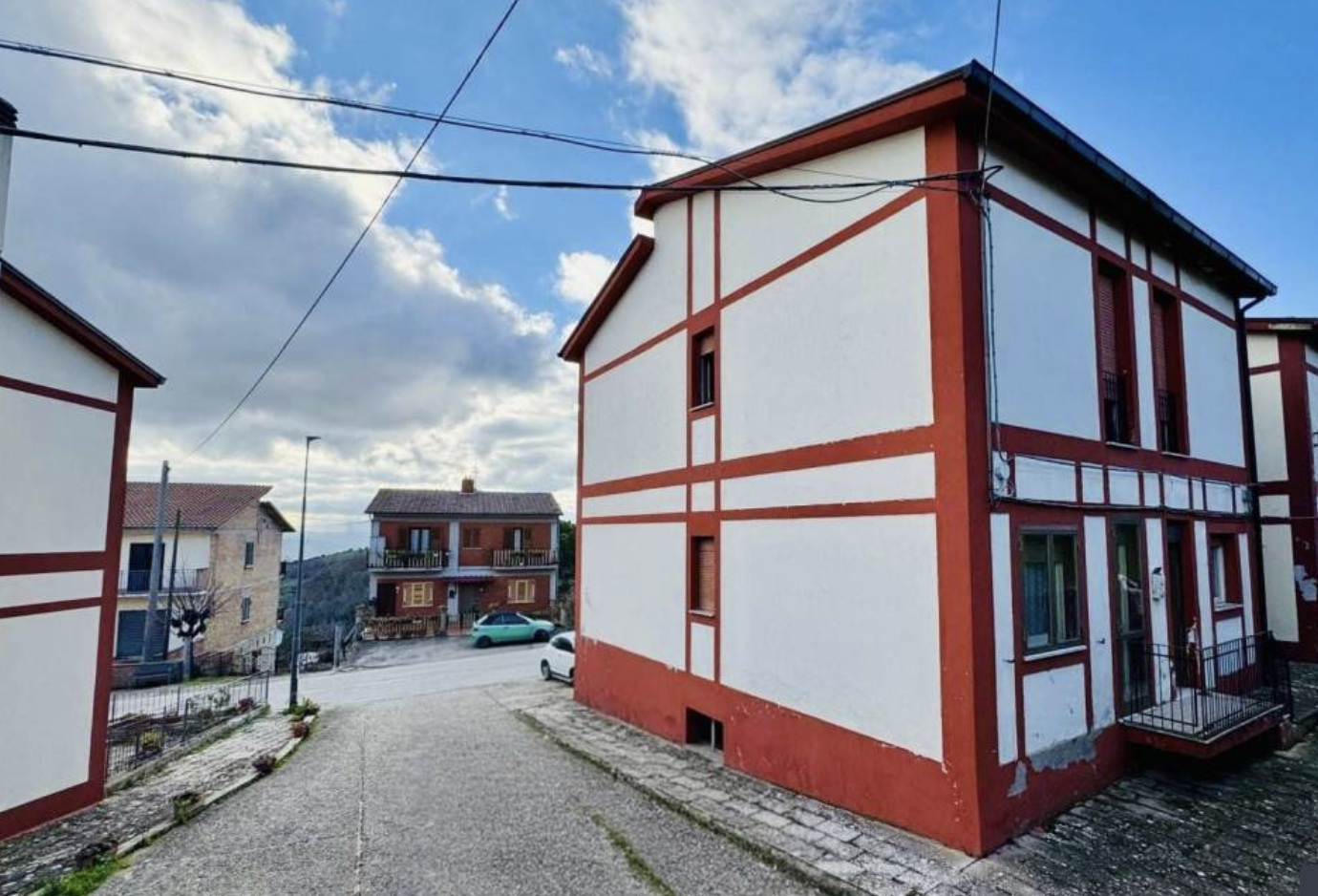
A terraced house on three levels and the best value per meter of anything here, at €250 a square meter. The basement holds a garage and a cellar, the ground floor has a kitchen, a living room, a bathroom and storage, and the first floor has three bedrooms, each with its own balcony. Two bathrooms in total, a fireplace, no condominium fees, and the agent describes it as solid and well maintained rather than a project. Energy class not classifiable. Casagrin again, the same agency as the €13,000 one.
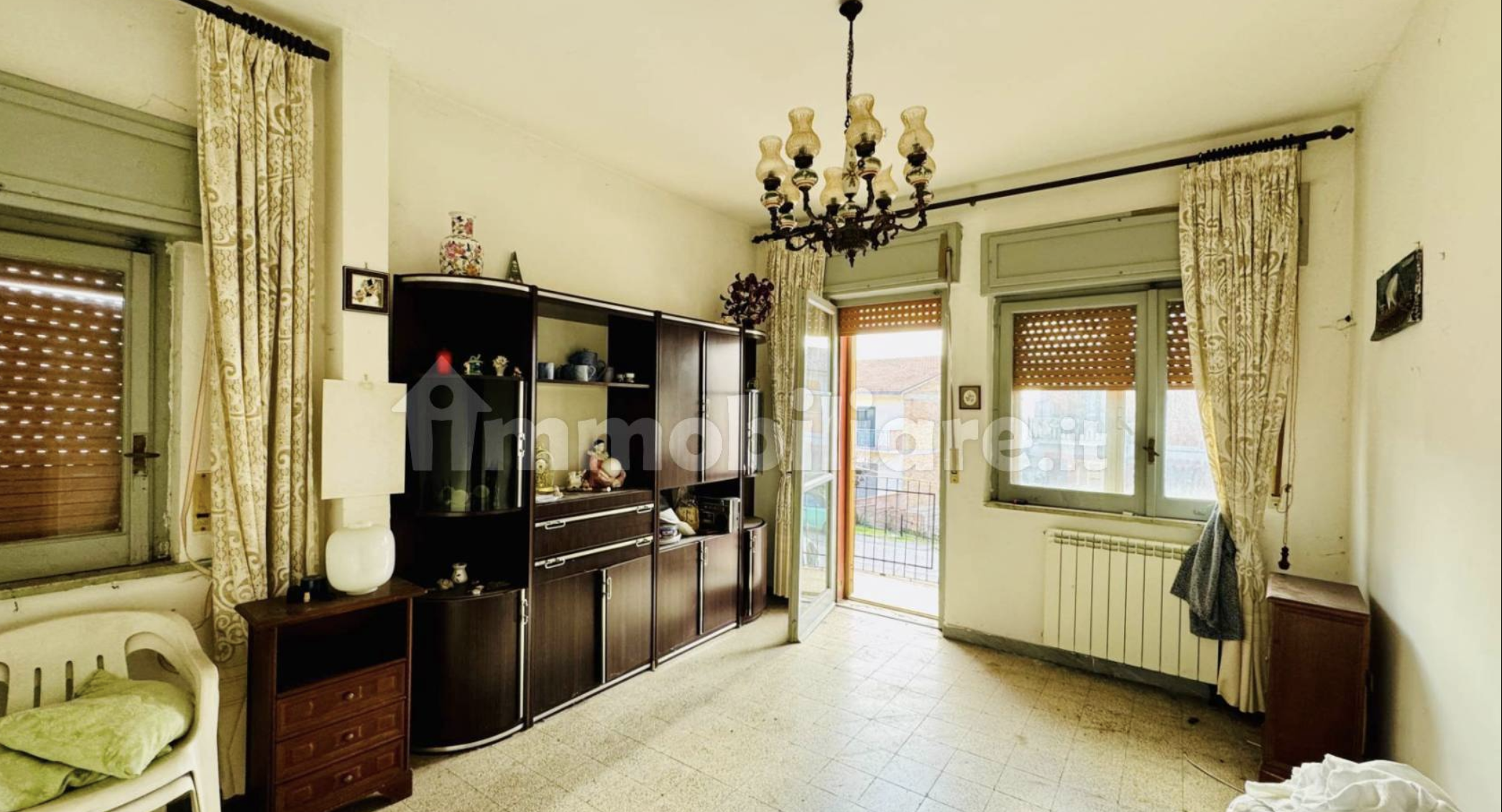
Contrada Costarelle · €29,000 · 60 m²
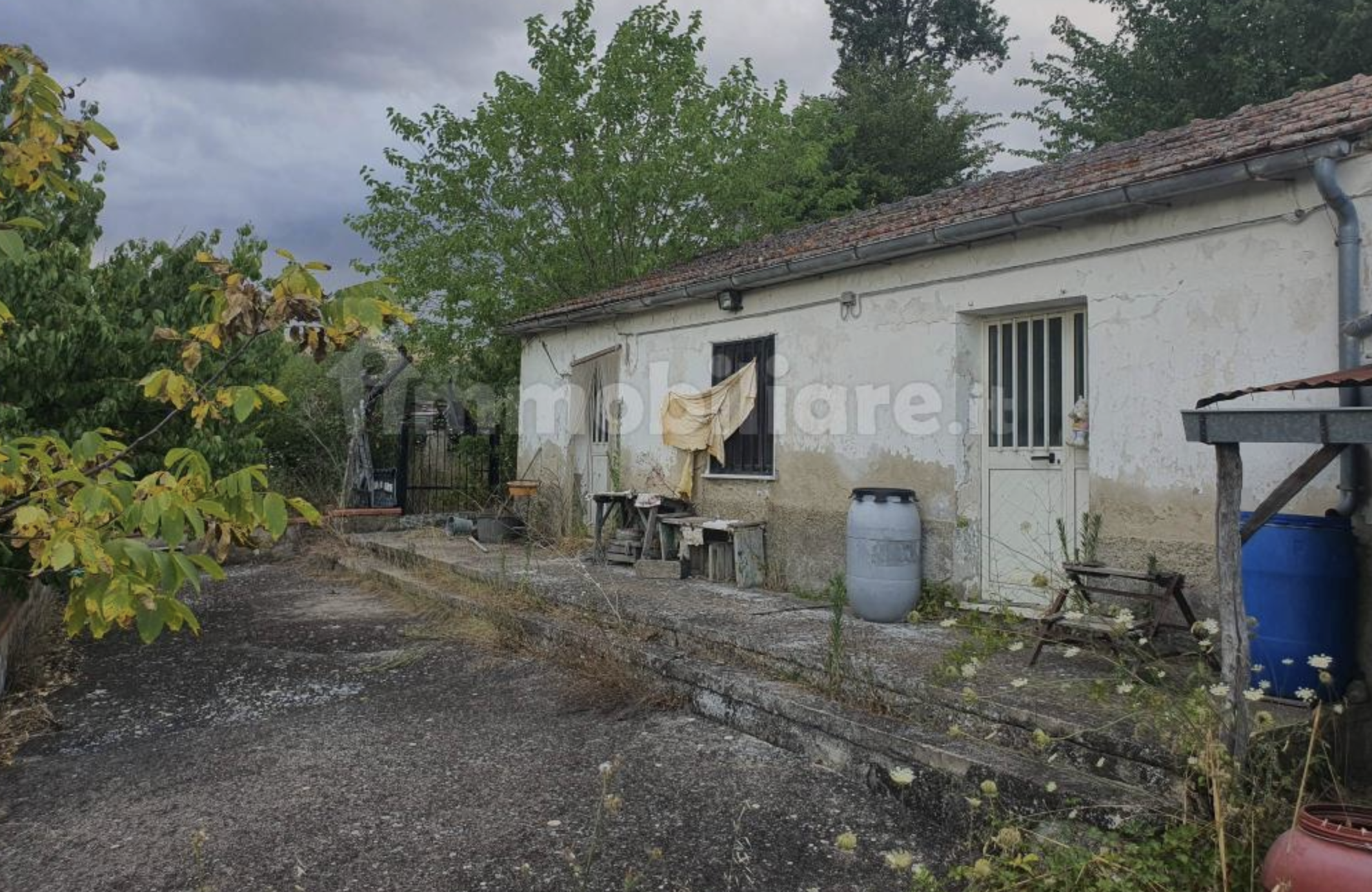
This one is 500 meters outside the village, and it is the country option. Immobiliare files it as a three-room flat while the agent describes an independent house needing renovation, with sheds and outbuildings and flat land around it holding a well. One bedroom, one bathroom, ground floor, a terrace, double exposure, independent heating and energy class G. The agent is Qualitycasa, working out of Turin, reference RG10.
Via Porta Sant'Anna 136 · €38,000 · 60 m² plus 55 m² below
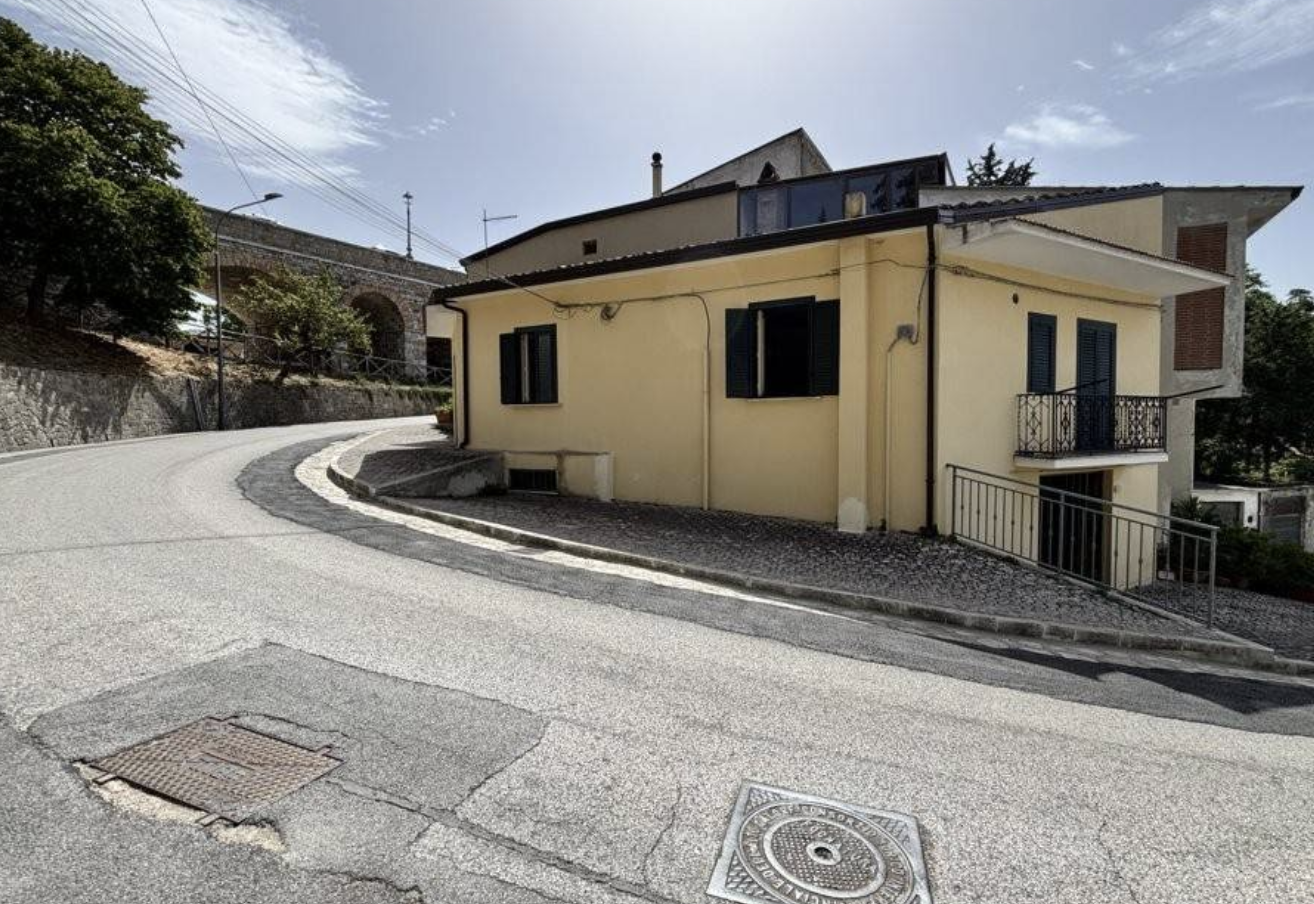
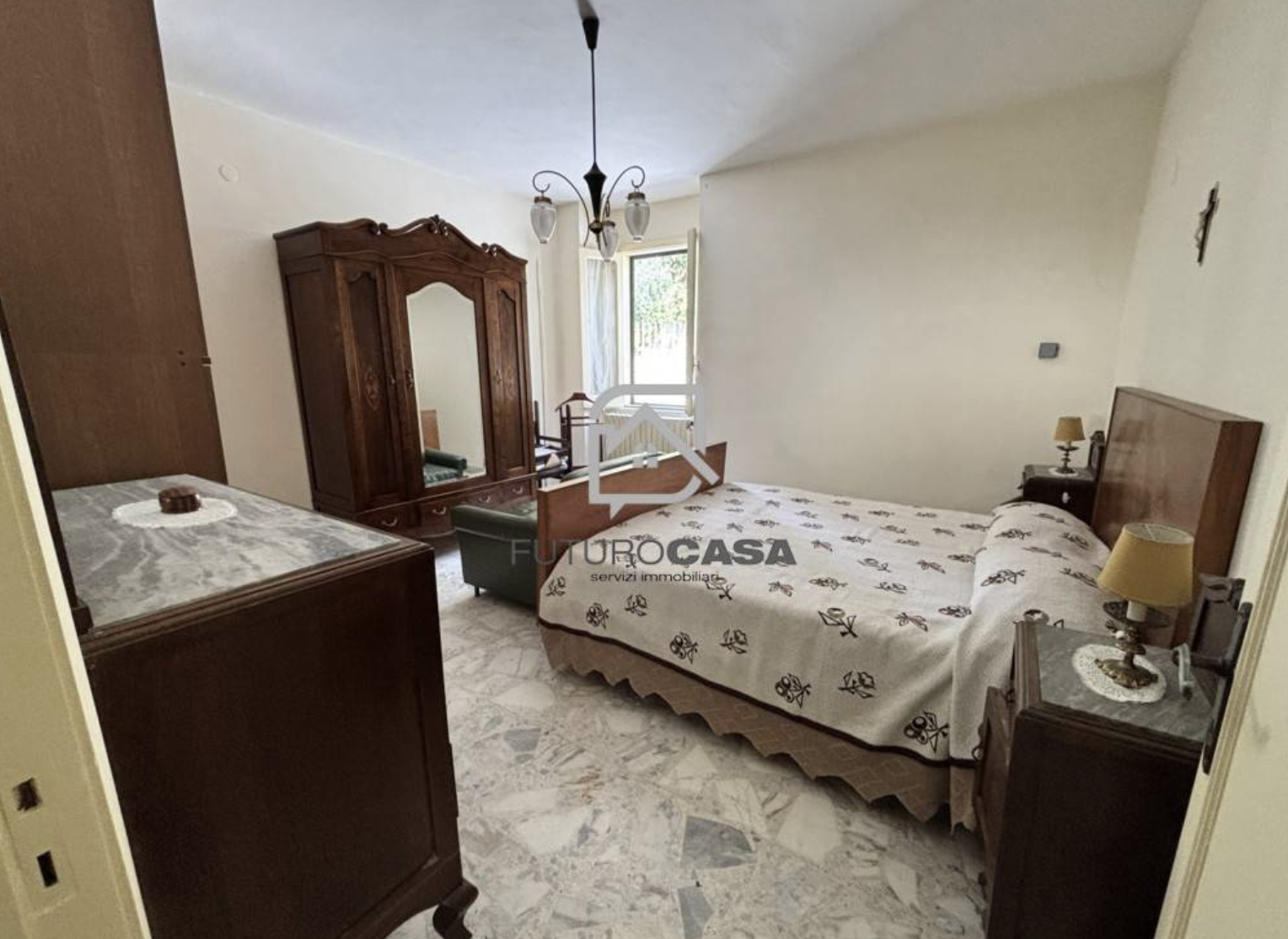
The most expensive of the four and the one you could move into. Sixty square meters on the ground floor about 150 meters from the Norman castle, with a small kitchen, a bright living room, a master bedroom and a second bedroom with its own balcony, plus a 55 square meter semi-basement reached from outside that the agent suggests for a small vehicle or a workshop. Double-glazed PVC windows, independent methane heating with radiators, fiber available, a garage and a parking space, and a private pavement running around the perimeter. Energy class G. FUTUROCASA, in Ariano Irpino.
The Fine Print
Zungoli is one of more than seventy Italian comuni running a one-euro scheme, spread across fourteen regions, and it has launched four rounds so far.
You submit a manifestazione di interesse, an expression of interest, on the comune's own form, naming a property from the ones in the public notice. Each property in the notice comes with a sheet giving the address, the cadastral data and the general condition of the building. Alongside the form you file a dichiarazione sostitutiva di atto notorio, which is a self-certified declaration standing in for a notarized one, and a technical report on the property you picked. If you are selected, you have one year from the award to submit a renovation plan and three years to finish the work, and you post a security deposit that is returned on completion. idealista puts that deposit at approximately €5,000. Notary and registration fees are yours, as are any guarantees and all of the actual construction. Italians, foreigners, companies and associations are all eligible.
The renovation bonus gives a 50 percent deduction on up to €96,000 of the work if the house becomes your primary residence, and 36 percent if it does not.
Before you count on a 2026 call. The comune's own page is still headed Case a un euro, IV bando, with eleven properties and documents dated February 21, 2025, while idealista names Zungoli as a 2026 participant. We could not establish which is current. Call the municipal technical office on 0825 845037 or write to info@comunezungoli.it and confirm which properties are still available before you plan anything.
Lifestyle & Culture Notes
The Caves
Zungoli's nickname is il borgo delle grotte, the village of the caves. They serve as functional cold storage. One of this village's claims to fame is a cheese called Caciocavallo, and it's often aged in these underground spaces.
Podolica cattle originated in the Podolia region of what is now Ukraine. They are still kept feral or semi-feralm grazing in the Apennines. They follow the old transhumance pattern, grazing at around 1,200 meters in summer and coming down to about 400 in winter, eating wild herbs on the way. They give very little milk, but what they give is dense and flavorful. There are roughly 25,000 of them left.
Caciocavallo means horse cheese because the finished cheeses are tied in pairs, roped together and slung over a wooden beam to age, sitting astride it the way saddlebags sit on a horse. They are hung there in the dark in the caves, where the tufa holds a steady temperature and humidity year-round. L'Italo-Americano puts Zungoli's aging at four to nine months. Elsewhere the same cheese is taken to five or six years, with exceptional wheels aging for twelve years.
Caciocavallo impiccato (hanged caciocavallo) was invented in this region of Irpinia. A young wheel, three months old or less, is suspended from a chain about ten centimeters above burning embers until the outside drips onto slices of toasted bread below, which you scrape off with a small paddle or a knife blade and eat immediately. Special Appenine grilled cheese! It runs at festivals across the region all summer and is very popular.
The herding method that sets the grazing patterns of these cattle, transhumance, was inscribed on UNESCO's intangible cultural heritage list on December 11, 2019, on a joint application from Italy, Austria and Greece. Zungoli sits on the old border between Irpinia and Daunia, which, historically, is droving country. It holds a transhumance festival on the first Sunday in September.
Four books for the inland south
Christ Stopped at Eboli, Carlo Levi, 1945. Levi was a painter and a doctor from Turin, and in 1935 Mussolini's government sent him into internal exile in Lucania, first to Grassano and then to Aliano, which he renamed Gagliano in the book. The title is the villagers' own line about themselves, that Christ got as far as Eboli and stopped, and that everything past it had been skipped by Christianity, by morality and by history. Eboli is in Campania, in the province of Salerno, at the point where the roads branch away from the coast. There is a 1979 screen adaptation of Christ Stopped at Eboli, directed by Francesco Rosi, with Gian Maria Volonté playing Levi.
Torregreca: Life, Death, Miracles, Ann Cornelisen, 1969 (nonfiction). Cornelisen, and American, went to Italy in 1954 intending to become an archaeologist and instead spent years setting up nurseries for Save the Children in remote mountain villages. Torregreca is the name she gave Tricarico, in Basilicata, the village where she lived. She was the recipient of a Guggenheim in 1977.
The Witches of Benevento, John Bemelmans Marciano, illustrated by Sophie Blackall, a series of six books from 2016 to 2019. This one is for the kids. Marciano is Ludwig Bemelmans's grandson – he wrote Madeline books in his grandfather's style for a time before turning to the town his family is originally from. Benevento is the nearest train stop to Zungoli, and has been Italy's capital of witches since at least 1273. The janara (local word for witches) were said to gather at a walnut tree by the river Sabato. Strega liqueur, with a label that shows the janara dancing under a tree, is still made in Benevento.
Postcards from the Dead, Franco Arminio, translated by Damiano Abeni and Moira Egan, 2018. Arminio was born in Bisaccia in 1960, which is the same province as Zungoli and the same corner of Campania, pushed up against Basilicata and Puglia. He calls his work paesologia, villageology, and he is firm that a paesologist is not the local expert on proverbs and petty lords but someone who studies "the inner-working of the peculiar organisms that paesi are." The book is more than a hundred very short monologues spoken by dead people. The online journal Asymptote has an excerpt of the translation. Arminio started the festival that happens every summer in Aliano, which is the village Carlo Levi (author above) was exiled to from Turin in 1935.
Recipes from the Map
Cianfotta via Memorie di Angelina — eggplant, peppers, tomatoes, onion, garlic, potatoes, basil and a lot of olive oil, with olives and capers. Ratatouille's Italian cousin.
Caciocavallo Impiccato, Grilled Cheese of Southern Italy via La Cucina Italiana — Wheels of cheese melted over hot embers, with its origins going back to nomadic Southern Italian shepherds, and before that the ancient Greeks and Romans. The word "cavallo" indicates it may have once been made from horse's milk.
What we're reading
Cuban Woman Shares Daily Life in a Tiny Italian Village via Cuba Headlines – Dayami Rivera Menocal, known on social media as Day (@dayporitalia), went viral this week with a TikTok video about living in a rural Italian village.
What utilities actually cost us in northern Italy via Kelly and Boris, an American and Serbian couple who left corporate Washington, D.C. for a house on Lake Iseo that cost them less than a down payment would have at home. Two adults and a dog, a house built in 1965 with new kitchen appliances and a gas boiler, a caldaia, from the early 2000s, and they put September at around €200 in total utilities and project €350, €450 and €550 for October, November and December with the heat on. Gas is billed every two months, water and sewer and an estimated trash charge are spread across the year, and a mandatory television license rides along on the electricity bill, which is how Italy collects it. In the comments other foreigners in Italy discuss getting rid of the tv charge and switching to solar/ heat pump.
Case a 1 euro a Zungoli: come partecipare al bando via Immobiliare.it, by Agnese Giardini — the best practical guide of the lot, and the one that names the three documents you actually have to file. It is also where the 36 percent figure comes from, and where we got the road directions.
Case a 1 euro in Campania, ecco i borghi che aderiscono per il 2026 via idealista — the source for the deposit figure, the one-year and three-year deadlines and the restructuring bonus, and the only place we found Zungoli and Guardia Sanframondi named together for 2026.
Cosa vedere a Zungoli, il terzo borgo più bello d'Italia nel 2026 via idealista — written for visitors rather than buyers, which is why it is the one that bothers to explain the caves, the Ravece olive and what the castle lost in the 1456 earthquake.
Zungoli, the Irpinia village built above a labyrinth of caves via L'Italo-Americano — where the castle's chain of owners comes from, and the two competing stories about where the village got its name. It runs in English and Italian side by side.
Live from our group chat
What the rabbit hole looked like for us this week.
Malia: You would be scared to go get the cheese.
Wally: From the cellar?
Malia: It's very dark.
Wally:
That's issue nineteen. Thanks for reading.
Until next week, Wally & Malia
Remnant is a weekly newsletter about distressed and beautiful houses around the world. We are not real estate agents. We just got a little obsessed and started digging. What will you do with what we find?
See task progress for longer tasks.
2026-09-16-issue-19-draft.mdSale, Detached house, 92m² Simi, Chorio | 14826644 | Spitogatoshttps://spitogatos.grRemnantConnectorsWeb search