
Remnant – Issue No. 16

Ireland pays up to €70,000 to fix a derelict house, €84,000 on the islands. Five northwest listings from €60,000, two ruins, two apartments and one shipping container.
In 2019 the people of Arranmore, an island of 478 off the Donegal coast, wrote an open letter to the United States and to Australia, asking anyone who wanted a different sort of life to come and live there. In terms of historical migrations specific to this island, a great many Arranmore families ended up on Beaver Island, in Lake Michigan, after the evictions of the 1800s, and their descendants are still there. The two places are formally twinned – known in the US as sister towns, in this case, sister islands.
We got to Ireland this week by way of a travel piece. Kevin Rushby spent August driving and ferrying a circuit of the Irish Sea for the Guardian, looking at what the Neolithic builders left standing around it, and what stayed with us was how long people have been choosing this greenest of the green coastline. Pentre Ifan in Pembrokeshire sits on the ridge that gave Stonehenge its bluestone. The roof at Newgrange has not leaked in five thousand years, and Rushby, standing beneath it, calls it "a Rolex assembled by Flintstones." Well okay, that certainly evokes a vibe.
His travels took him around the Irish Sea. Our five houses this week are all on the other coast, in Sligo, Donegal and Leitrim, and that side was settled just as early. Carrowmore, west of Sligo town on the Coolera Peninsula, still has thirty tombs standing and has lost about twenty-five since 1800, and the earliest of them went up around 3750 BC, centuries before anybody broke ground at Newgrange. Knocknarea stands over the whole field, 327 metres of it, with a cairn on the summit fifty-five metres across that no archaeologist has ever opened.
People have been arriving on this coast, leaving it, and being replaced, for five thousand years. The tomb builders were not Celts, for the record. The Irish they speak in Falcarragh arrived a long time after the stones did, and how long after is still argued over. The evictions emptied Arranmore in one direction and filled Beaver Island in the other. This time, however, invitation has a budget line attached. Money to move there.
Ireland will pay up to €70,000 to make a derelict house habitable, €84,000 if it stands on an offshore island, and nothing at all toward a house that already works. Two of this week's five are wrecks. Two are apartments you could move into next month. The fifth is a converted shipping container on Arranmore on 1.8 acres and (huge caveat) planning permission requiring it to become something else. Five houses, the grant in full, a hundred years of notable Irish books, two recipes, and our silly group chat.
Ireland
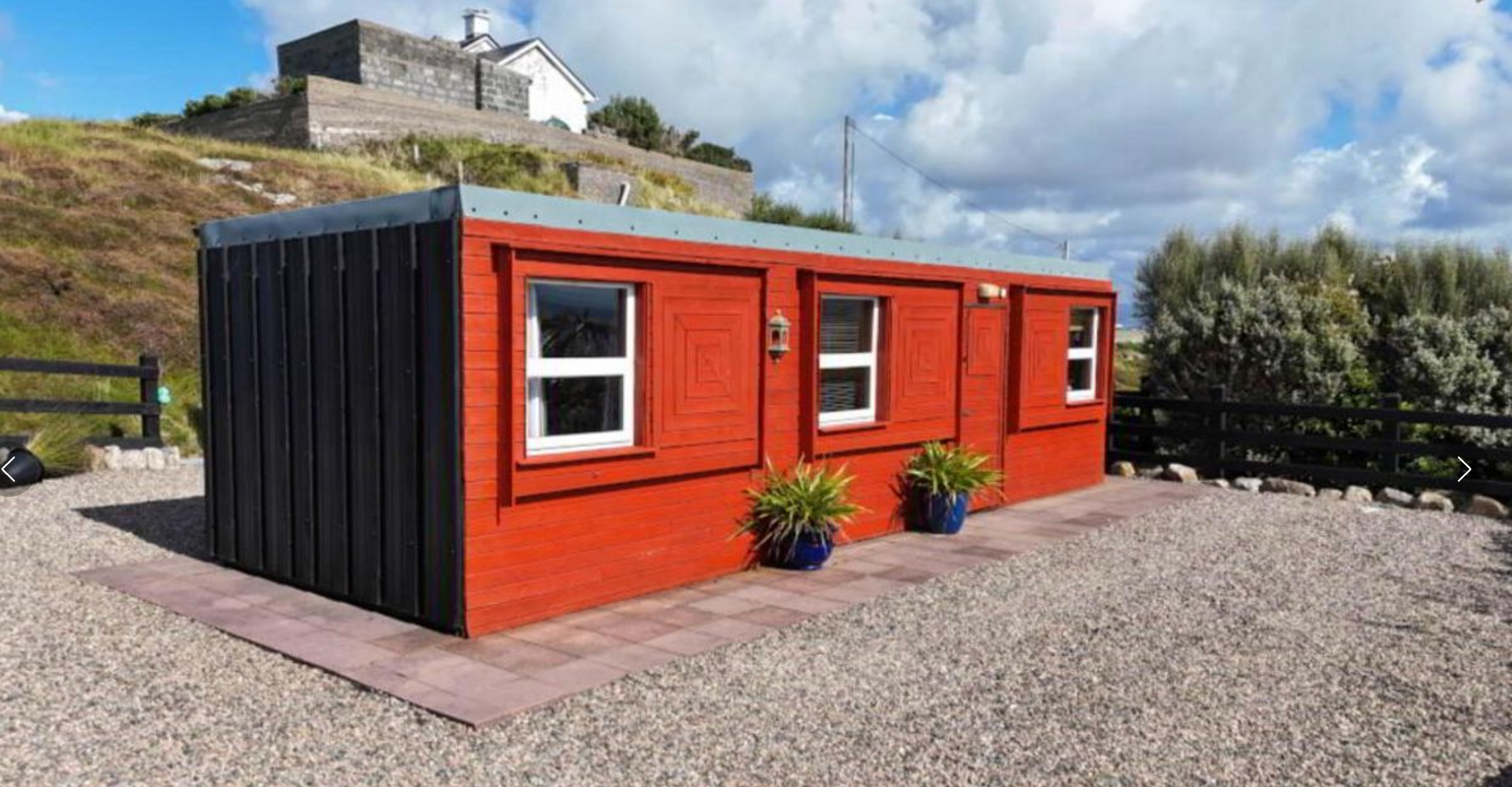
Featured: a shipping container with a sea view and a planning problem
Arranmore Island, Co. Donegal · €114,950 · 21 m² on 1.8 acres, 1 bed
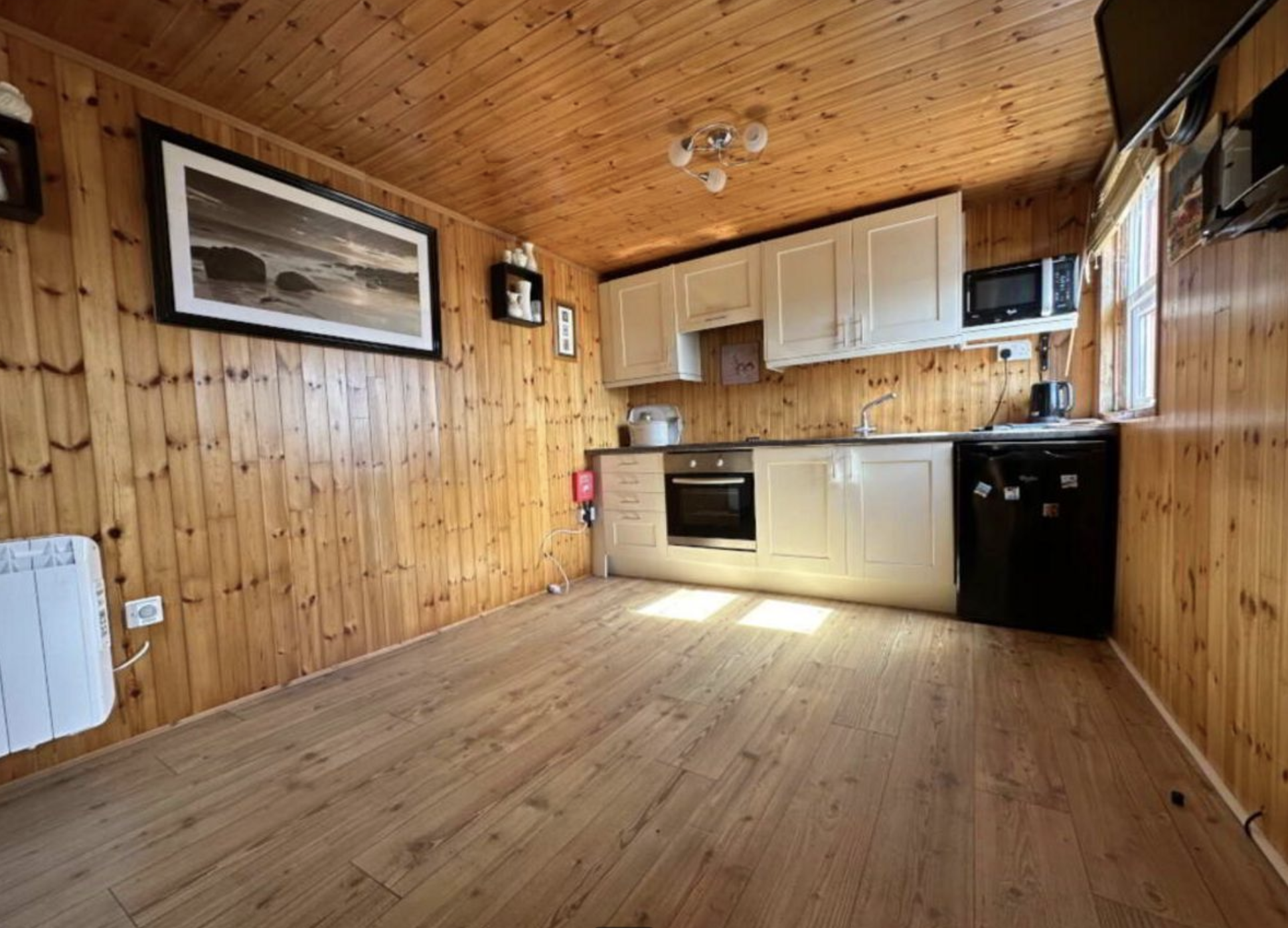
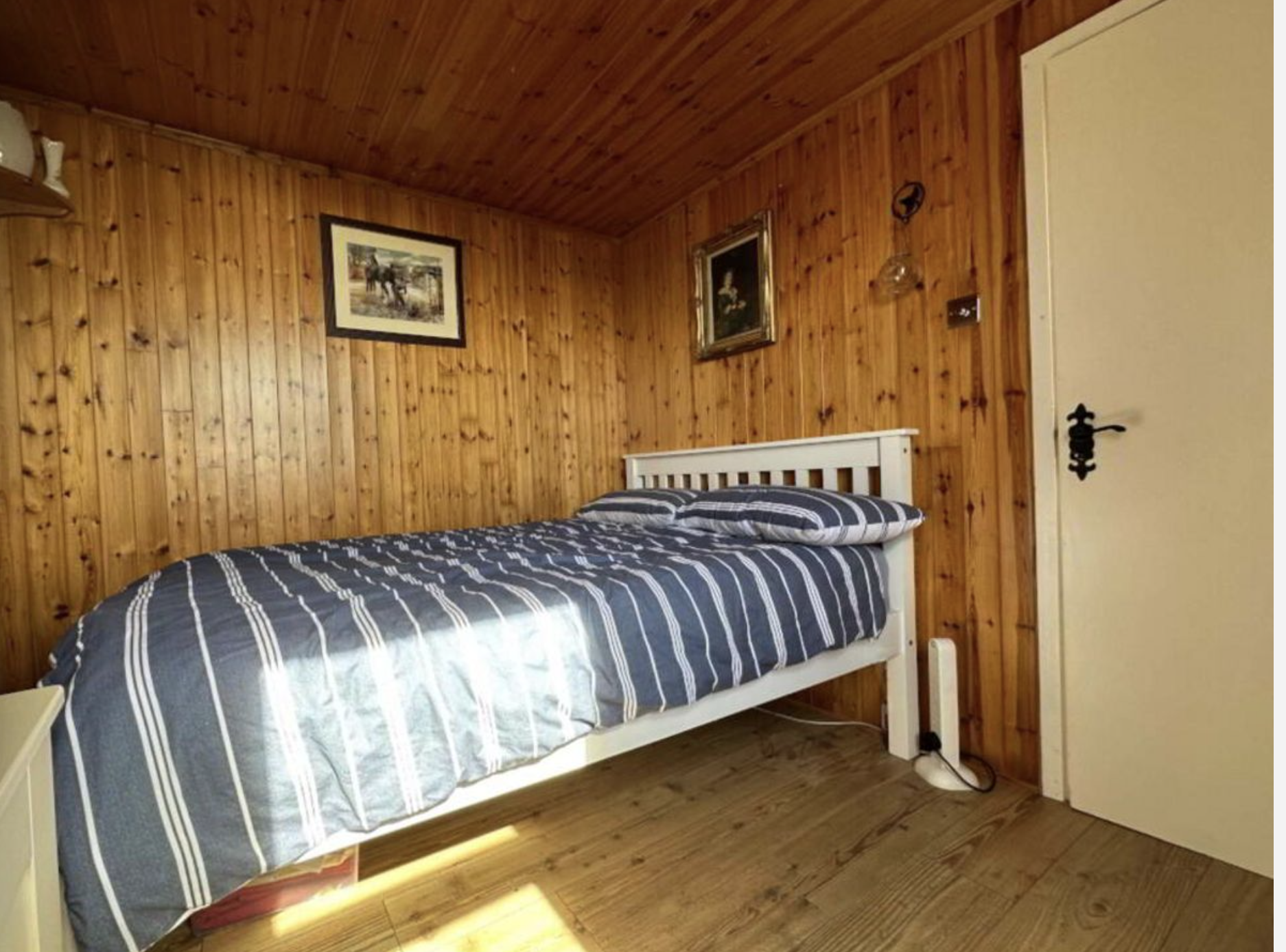
Twenty-one square metres that in a previous life were a shipping container, now converted into a one-bedroom house on a private south-facing site of about 0.72 hectares, with unrestricted views over the Atlantic and back toward the Donegal mainland. The kitchen and dining room is 4.51 metres by 2, the bedroom 2.82 by 2.45, the bathroom 1.7 by 1.69, and the hallway is a metre wide, with solid wooden floors throughout. That comes to €5,474 a square metre, more than twice the Bundoran flat below and nearly four times the Dromahair duplex.
The listing states the catch in its own words: planning permission has been granted for an extension in order to comply with regulations, in its current form the property does not comply, and no further documentation about that will be supplied.
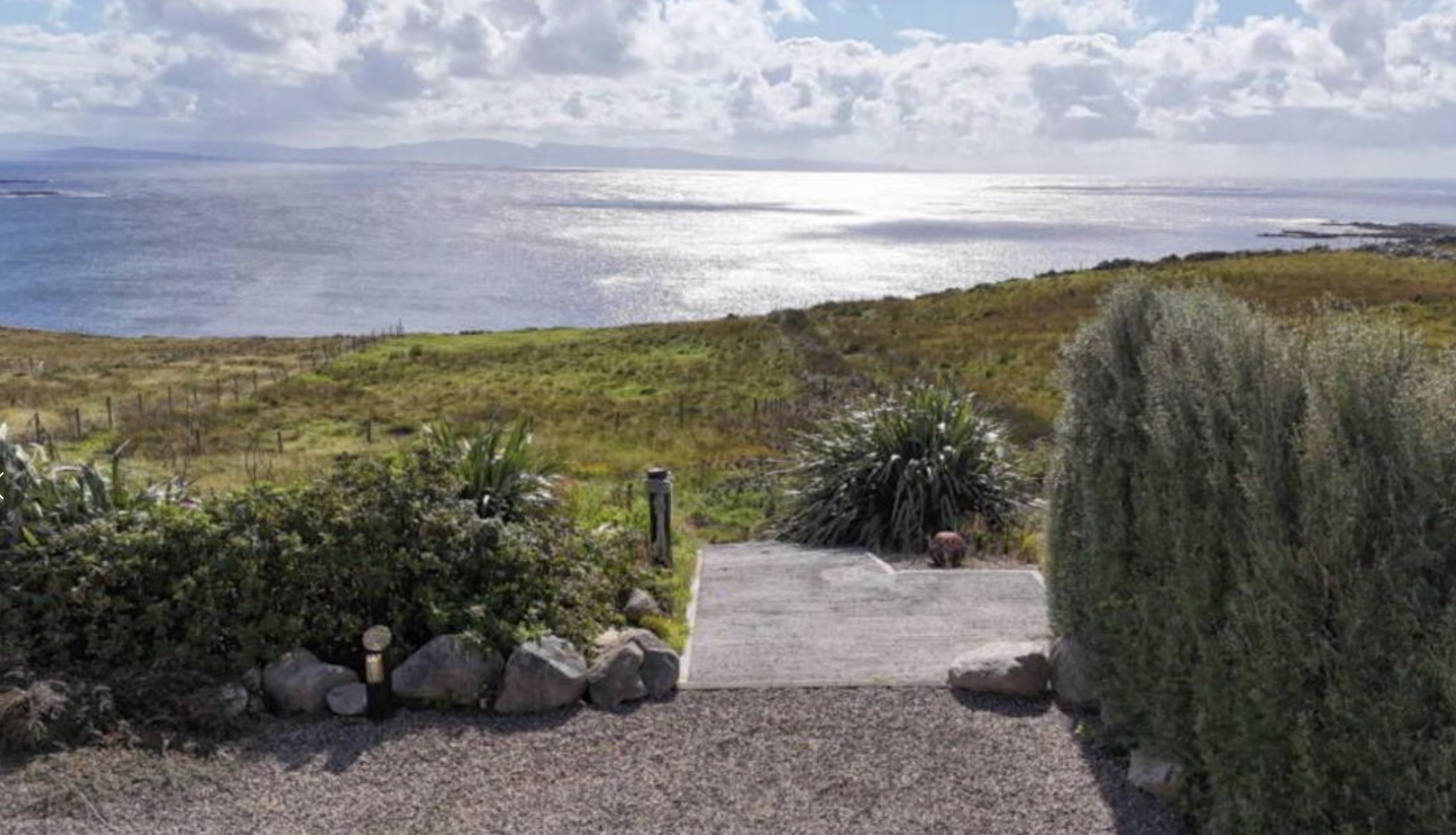
This is the island from the top of the issue, the one with 478 people on it and a letter out in the world, twenty minutes from Burtonport on a daily ferry, with shops, pubs, cafés and schools at primary and second level. The grant in the Fine Print is written for buildings from 2007 or earlier that have stood empty for two years.
The case for: 1.8 acres and an unrestricted sea view for less than the Bundoran flat, on the island that went looking to increase its population in 2019.
The case against: The container does not qualify for the grant as it stands, the fix is a build, and every load of materials arrives by ferry (which would probably be expensive).
More from the northwest
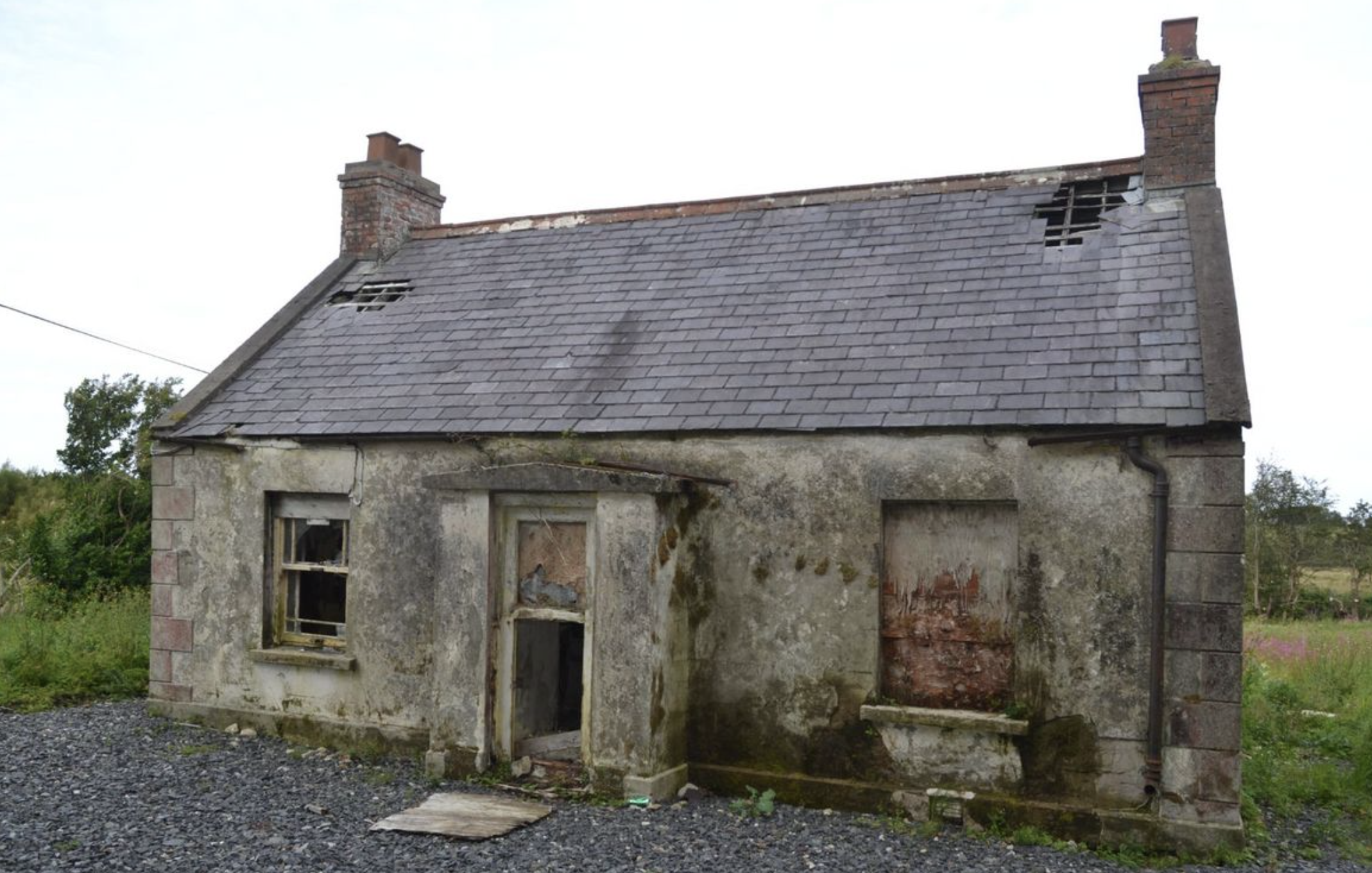
Ballyconnell, Falcarragh, Co. Donegal · €120,000 · 3 bed, 1 bath, BER exempt
The listing offers an old derelict cottage on a generous site within walking distance of Falcarragh village, and one line that matters more than the rest: the agent says it qualifies for the Vacant Property Refurbishment Grant and the derelict top-up. There's no floor area, no year built, and no measurement of the generous site.
Falcarragh is An Fál Carrach, the main commercial town on the road between Letterkenny and Dungloe, and everyone there calls it Na Crois Bhealaí, the crossroads. It's in the Donegal Gaeltacht, where seventy percent of people can speak Irish and thirty-four percent say they speak it every day. Three kilometres north of the crossroads there's four and a half kilometres of beach at Ballyness, dunes piled up at the Drumnatinny end, Muckish and Errigal standing behind you, Tory Island out in front, and water that goes turquoise when the weather agrees to it. The houses at the crossroads were built for the workers on the Olphert estate, whose big house was Ballyconnell House, and the Olpherts were the landlords here from 1622 until 1921.
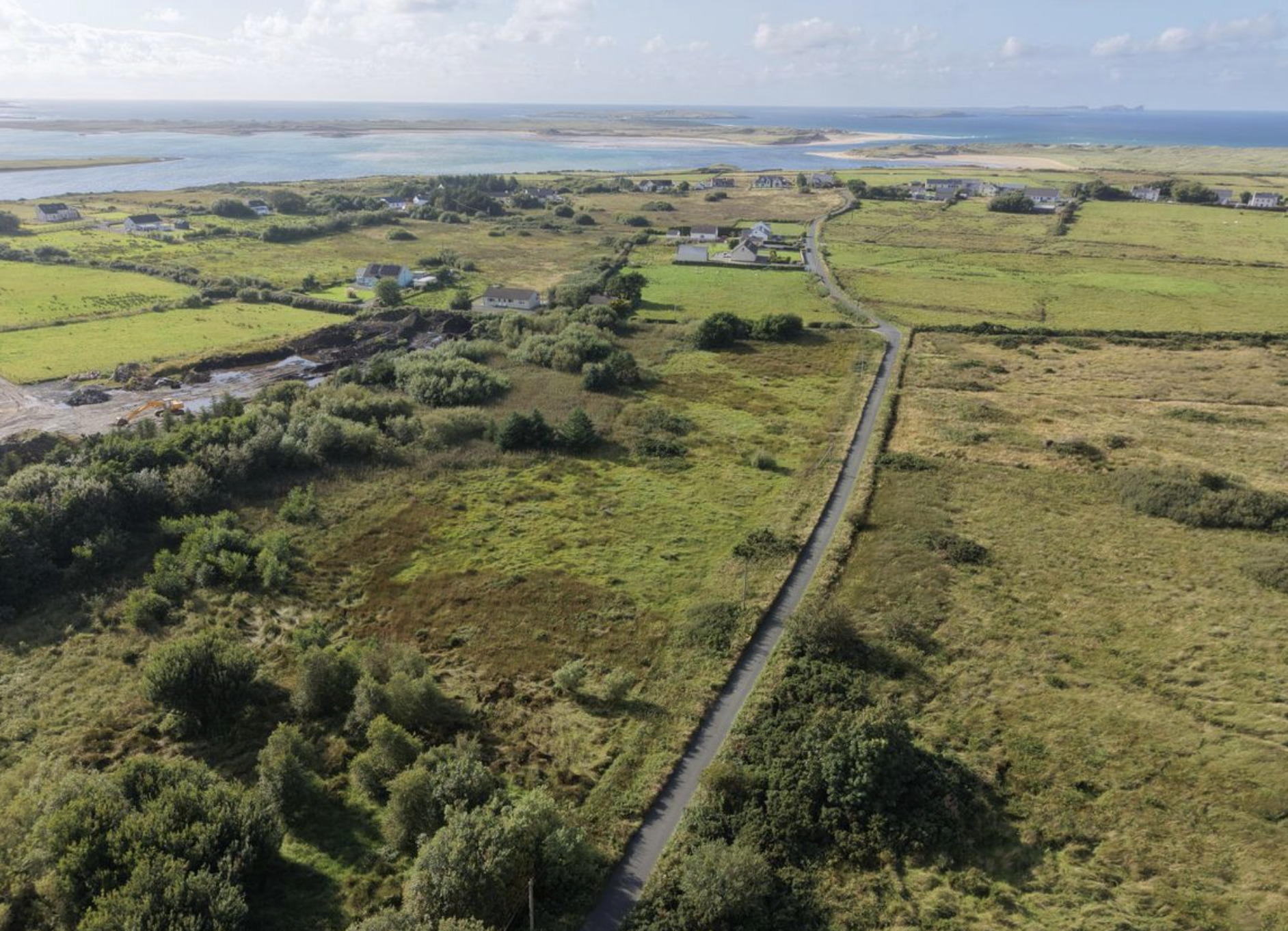
The case for: the biggest site of the week, a walkable village, that beach three kilometres up the road, and a grant that tops out at €70,000 against the €120,000 you're paying.
The case against: you're paying €120,000 for a ruin, and the grant only turns up once the work is finished and every invoice is paid. YIKES.
2-3 Lower Quay Street, Sligo · €60,000 · 0.03 acres
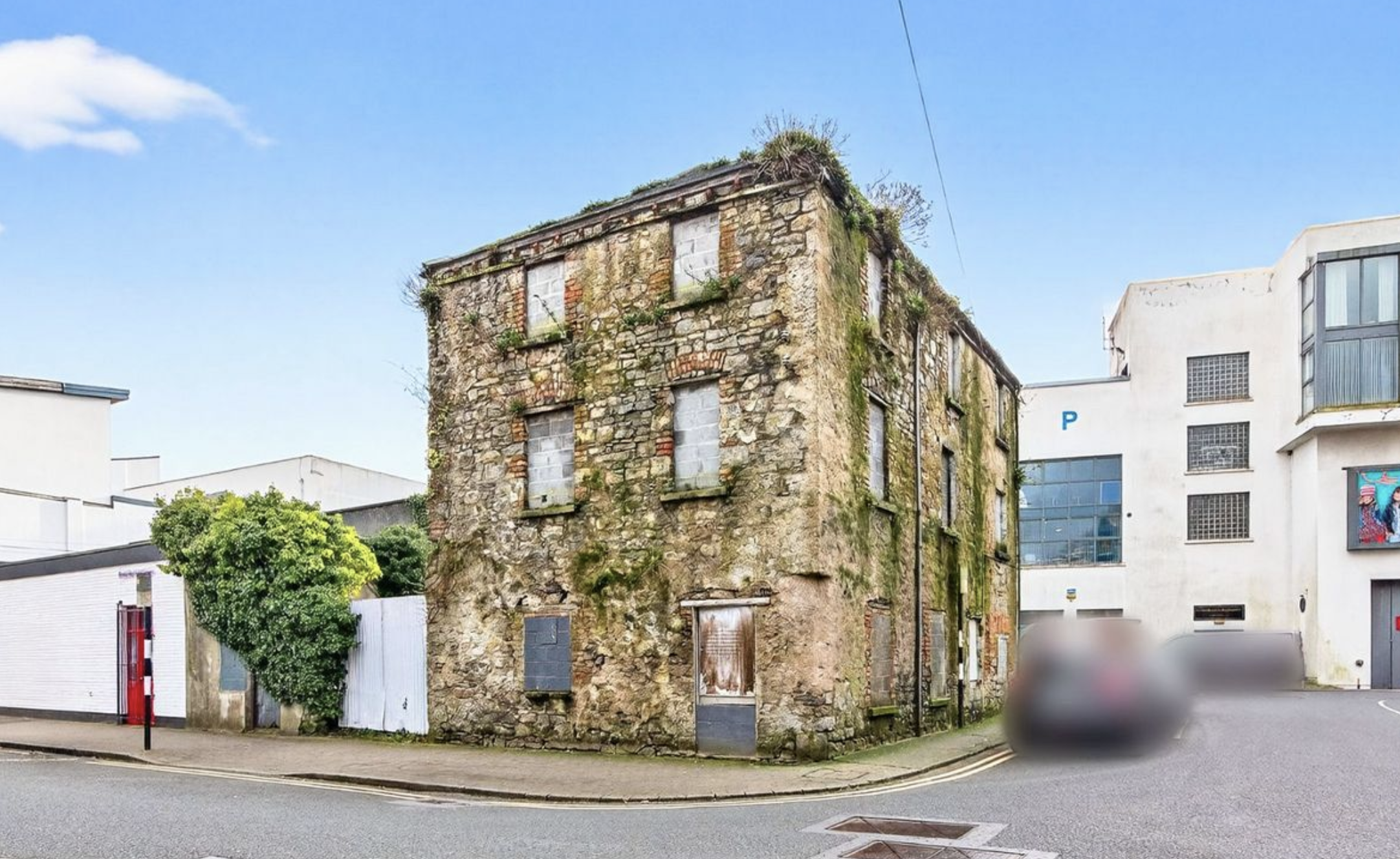
Three storeys, late 18th century or earlier, split at ground level into two units by a stepped party wall, with brick dentils under the eaves, a shallow-pitched hipped slate roof and windows that don't line up. The agent calls it the earliest surviving building in this part of Sligo, and it sits on Sligo County Council's Record of Protected Structures, proposed for inclusion in 2016. The pub that stood on part of the property has been demolished, the yard to the east is empty, an old stone wall still runs along the north side, and the whole thing has been for sale since February.
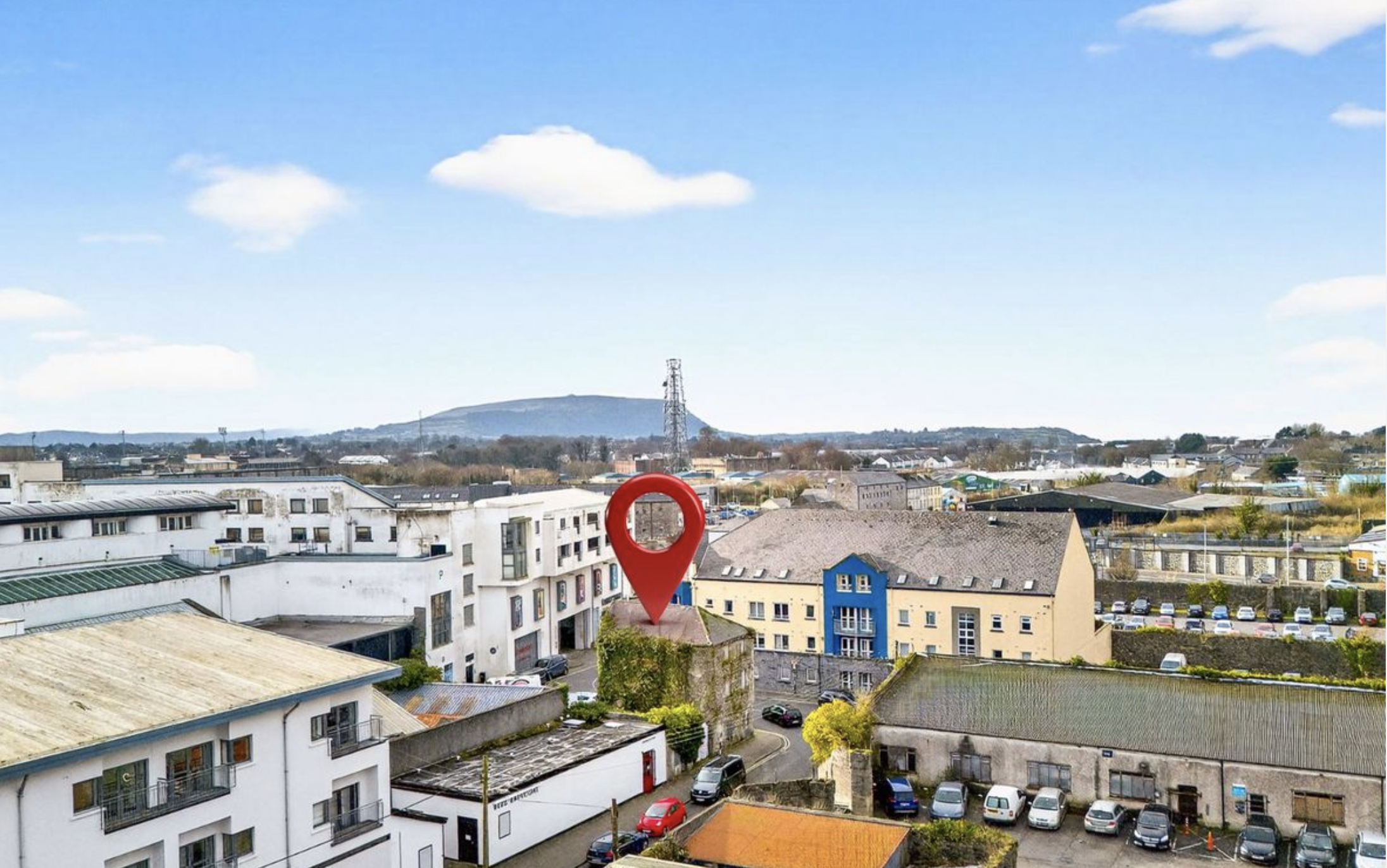
The street is named for the quay, and the quay is still there: a C-plan limestone harbour wall built around 1830, roughly squared and coursed, with a slipway, limestone paving and metal mooring posts, left over from the years when Sligo was one of the busiest ports in Ireland. The Garavogue runs past it. Carrowmore is a few kilometres west, and seven and a half kilometres north on the N15 Yeats is buried at Drumcliffe under Ben Bulben, beside a sandstone high cross from around AD 1000 carved with Adam and Eve, Daniel in the lions' den and, for reasons nobody has settled, a camel.
The case for: the cheapest thing in the issue, in the middle of a county town, and somebody has already decided it matters enough to protect.
The case against: protection means a conservation officer and a specification to match, and what you're buying is a shell next door to a demolished pub.
Apartment 52, Marine Court, Bundoran, Co. Donegal · €140,000 · 54 m², 2 bed, BER D1
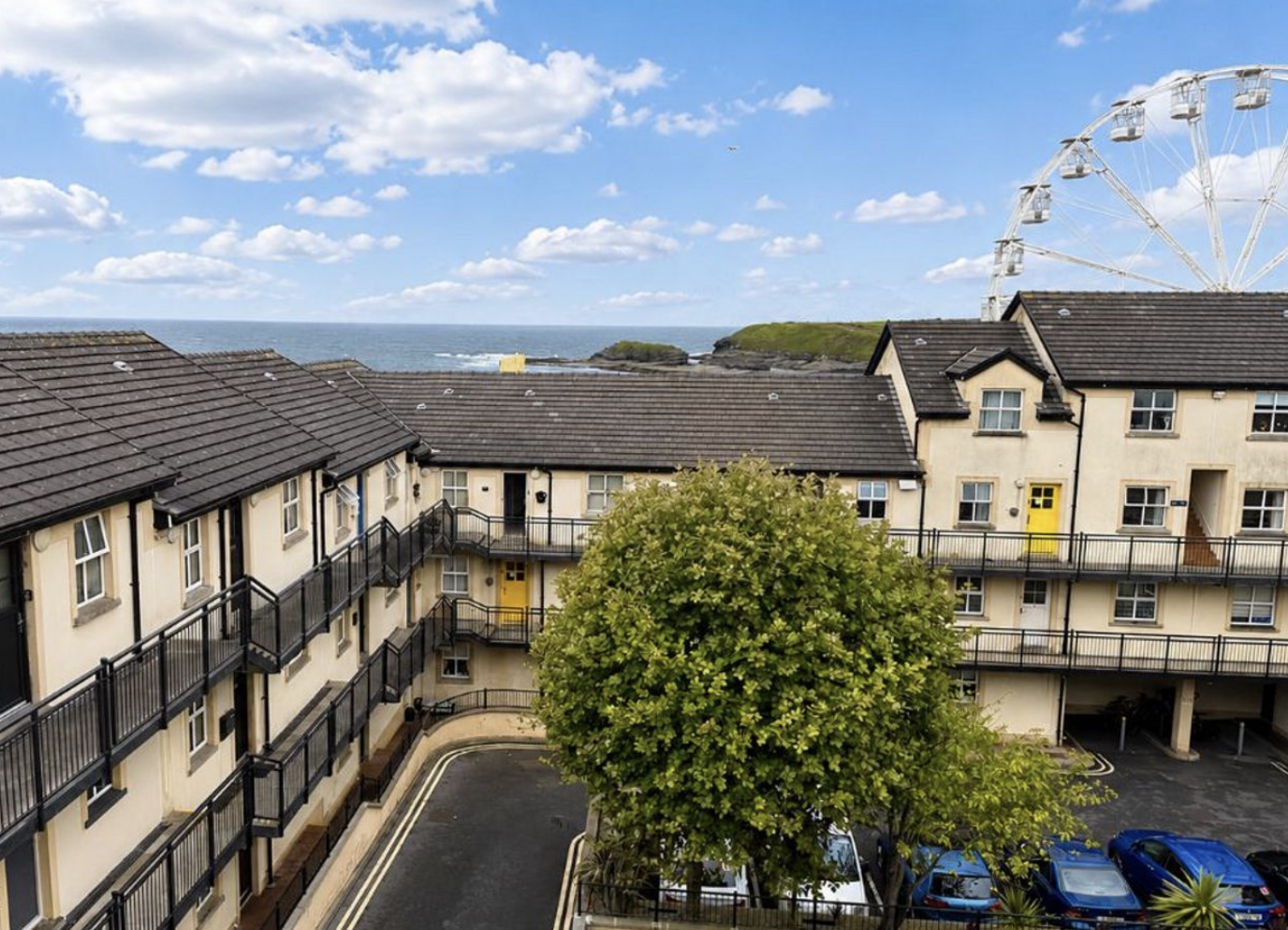
A top-floor flat with an entrance hall, an open-plan living-kitchen-dining room, two double bedrooms, a shower room, electric central heating and a space in the gated car park, minutes from the beach. That's €2,590 a square metre against €1,400 for the Dromahair duplex below, and what the extra buys is a surf town.
Bundoran had 2,599 residents in 2022, National Geographic put it in the world's top twenty surf towns in 2012, and the Peak and Tullan Strand are both on the doorstep. The railway arrived in 1868, the Victorians built the hotels, and on the cliffs at the edge of town there's a natural sea arch everybody calls the Fairy Bridges. Down the N15 at Cliffony, fifty metres north of the crossroads, there's a court tomb from around 3500 BC with a cairn 55.5 metres long.
The case for: you could move in this autumn, let it out next summer, and walk to the Atlantic in the meantime.
The case against: a D1 rating on electric heating is an expensive winter, and no grant scheme is coming to help with it.
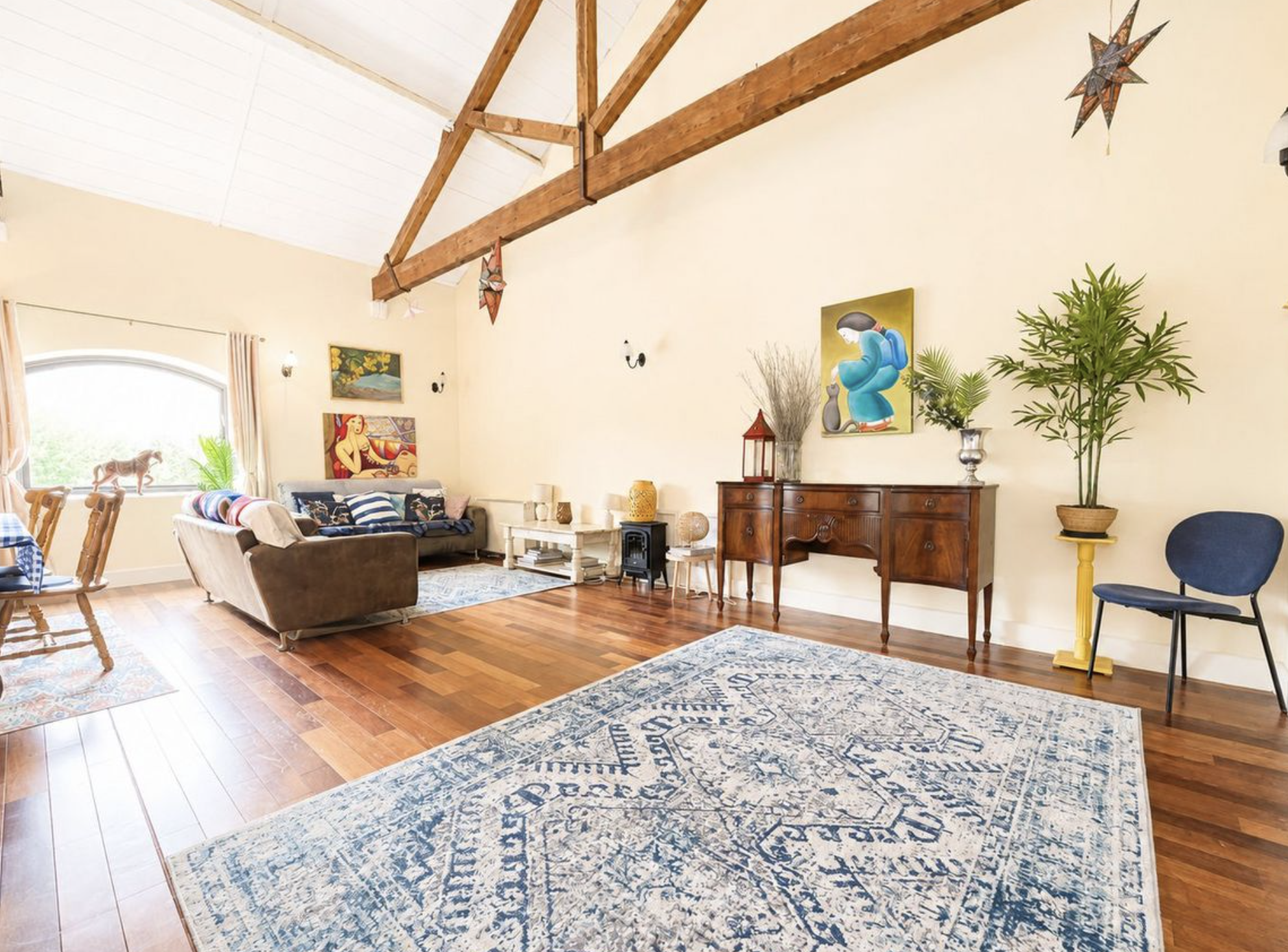
Apartment 16, The Mill, Dromahair, Co. Leitrim · €139,000 · 99 m², 3 bed, 2 bath
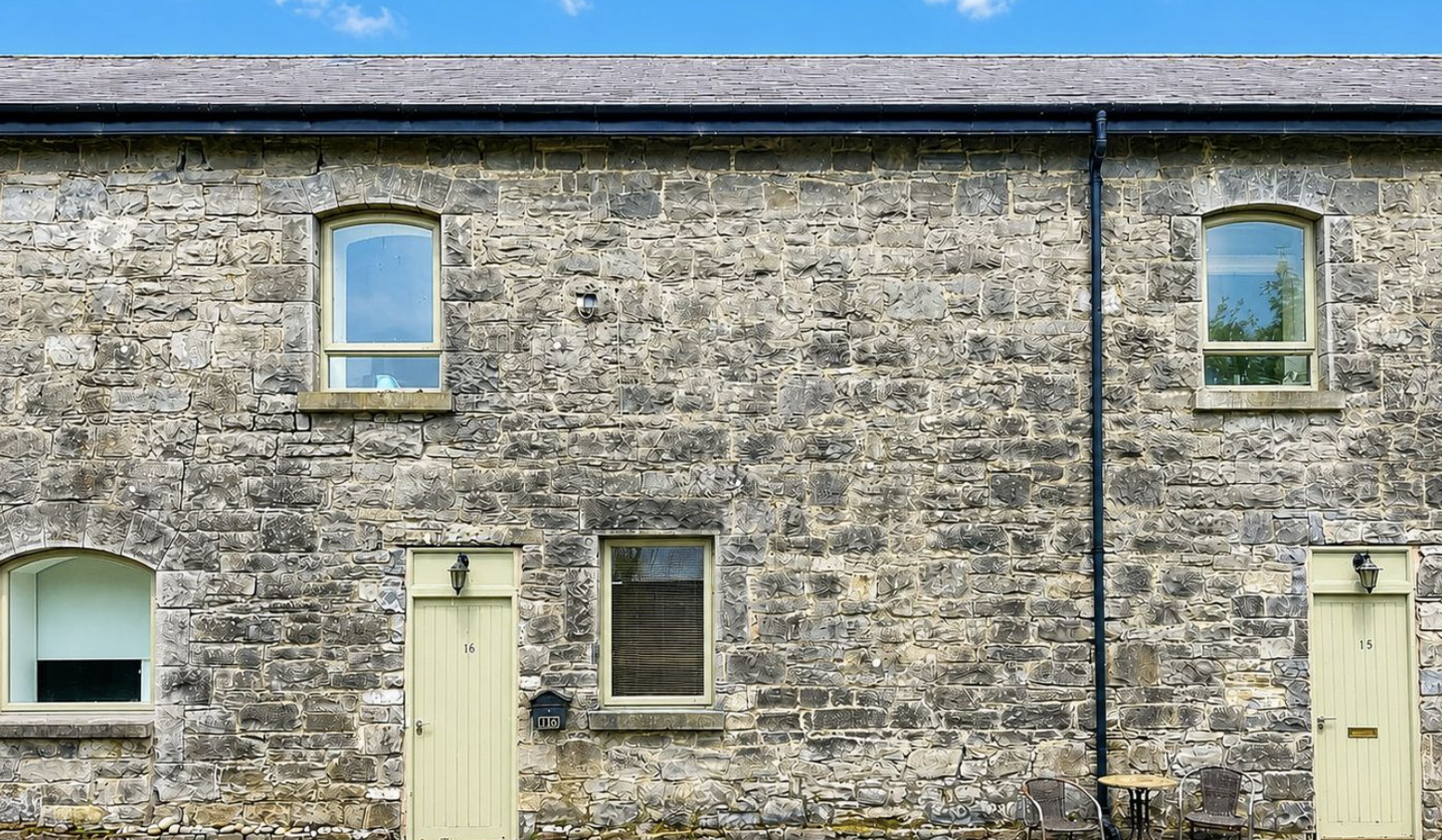
Ninety-nine square metres over two floors, with the three bedrooms and both bathrooms downstairs and the living space upstairs under exposed oak roof trusses, over solid wood flooring, plus electric heating, double glazing, communal parking, professionally managed common areas and management fees of €2,000 a year. It's three minutes from the village.
Dromahair sits where the River Bonet runs into Lough Gill, ten kilometres from Manorhamilton and seventeen from Sligo town, and somewhere out on that lake is the small wooded island where Yeats wanted to build a cabin of clay and wattles. Creevelea Friary was founded in the village in 1508, as a daughter house of Donegal Abbey. The O'Rourkes of Breffni had their castle here, and there are fourteen holiday cottages standing on the site now.
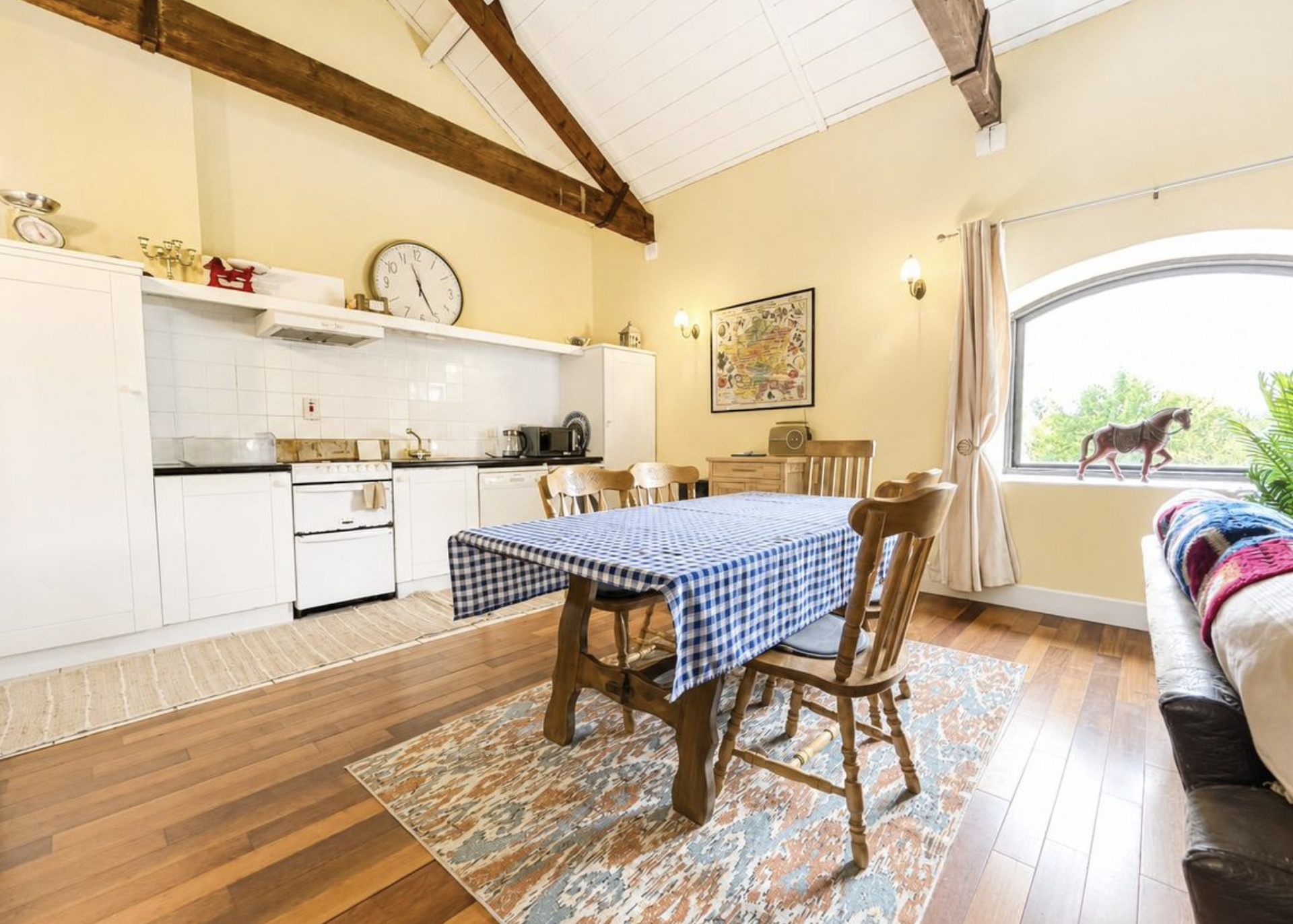
The case for: ninety-nine square metres of finished house for less than the Bundoran flat, and somebody else maintains the roof.
The case against: €2,000 a year in management fees whether you're there or not.
The Fine Print
The grant, in full
The Vacant Property Refurbishment Grant, funded through the Croí Cónaithe (Towns) Fund, pays up to €50,000 to refurbish a vacant property, with a top-up of up to €20,000 where the property is derelict, so €70,000 at the ceiling. On qualifying offshore islands, which is where Arranmore comes in, both figures rise by twenty percent, to €60,000 and €84,000.
The house has to have been vacant for two years or more when you apply, and built in 2007 or earlier. For the vacancy, the scheme outline points to utility bills showing continuous low or zero electricity use, or disconnection, across those two years. You have to own the property or be actively engaged in buying it, applications come from named owners rather than companies, and you need tax clearance from Revenue with your Local Property Tax paid up.
Then you either live in it as your principal private residence or make it available to rent. The money is paid on completion of the works, against itemised invoices and receipts, after a final inspection by the local authority, so you finance the renovation yourself and get reimbursed at the end. You have to hold that use for at least five years from the date of payment. Sell up or move out inside five years and the whole grant is repayable, between five and ten years it's 75 percent, and after ten years, nothing.
What the finished ones cost that the ruins don't
Dromahair's management fee is €2,000 a year. Bundoran's listing carries its own stamp duty estimate of €1,400, the standard 1 percent residential rate, and a D1 rating on electric heating. Neither apartment can draw a refurbishment grant, because the scheme is written for houses nobody has lived in for two years.
Citizenship, and what the deeds do not get you
Ireland has closed the door Greece is still holding open. The Immigrant Investor Programme, the nearest thing this country had to a golden visa, stopped taking new applications on 15 February 2023, and the government's stated reasons were that the scheme had done its job since 2012 and that the EU Commission, the Council of Europe and the OECD had all raised concerns about investor-visa programmes and money laundering, tax evasion and circumvention of EU law. So the deeds buy a house and nothing else. Residence runs on nationality: EEA nationals can live in Ireland without a permit, everybody else needs permission to remain and an Irish Residence Permit, and Citizens Information's pages on residence rights do not mention property at all.
Which means the grant makes you choose. You either live in the house as your principal private residence or you make it available to rent, and if you are living somewhere else, you are on the rental branch. Since 1 July 2023 a tenant paying rent directly to a landlord who lives outside Ireland has to deduct 20 percent of it and pay that to Revenue through the Non-Resident Landlord Withholding Tax system, with a Rental Notification each time. A collection agent can opt into the same system instead, and an agent who doesn't stays chargeable on the rent. The 20 percent comes back as a credit against the annual return.
The other way in is older than any of it. If one of your grandparents was born in Ireland and neither of your parents was, you can apply to go on the Foreign Births Register: €278 for an adult, €153 for a child, twelve months at the current processing time. Citizenship runs from the date you are entered on the register rather than from the date you were born, so your own children are Irish only if you were registered before they arrived.
The register reaches a grandchild. The Arranmore evictions were in the 1800s.
Lifestyle & Culture Notes
A century of Irish books since 1926.
1926–1945. Kate O'Brien, The Land of Spices (1941), banned by Ireland's censorship board over a single line, which a senator then read into the Seanad record to demonstrate how ridiculous the board had become. O'Brien appealed in 1946 and won. The same twenty years have Molly Keane publishing novels as M.J. Farrell, a name she took off a pub sign on the way home from hunting, on the grounds that a woman who wrote books was an alarming prospect.
1946–1965. Edna O'Brien, The Country Girls (1960). Banned on publication, one of more than 1,600 titles stopped under the 1929 Censorship Act, and Archbishop McQuaid and the justice minister Charlie Haughey agreed between them that it was filth and belonged in no decent home. O'Brien said copies were burned in her home parish, and historians have since queried whether that particular fire happened.
1966–1985. Molly Keane again, Good Behaviour (1981), this time under her own name after twenty years of publishing nothing at all. The manuscript sat in a drawer until Peggy Ashcroft read it and told her to send it out, and it went to the Booker shortlist.
1986–2005. Nuala O'Faolain, Are You Somebody? (1996). Her publisher asked for a short introduction to a collection of her newspaper columns and she handed back a two-hundred-page memoir instead. It spent twenty weeks at number one in Ireland, with shops selling it straight out of the wholesaler's boxes, and then went to number one in the United States.
2006–2026. Anna Burns, Milkman (2018), which won the Booker and made her the first writer from Northern Ireland to take it. This is the crowded end of the shelf, so: Anne Enright took the Booker in 2007 with The Gathering, Claire Keegan's Small Things Like These made the shortlist in 2022, Louise Kennedy's Trespasses went to the Women's Prize shortlist in 2023, and Tana French's Broken Harbour (2012) puts a murder inside a half-built, half-abandoned ghost estate outside Dublin, which makes it the only crime novel we know of that could have run in this newsletter as a listing. And for our 2026 book that could be a setting for a featured Remnant property (that's a joke), Said the Dead by Doireann Ní Ghríofa. The story unfolds at a derelict Victorian mental hospital in Cork in the process of being converted into modern apartments.
Recipes from the Map
Boxty via IrishCentral — grated raw potato and mashed potato in the same pancake, out of the north midlands, Leitrim and Cavan especially, which is Dromahair's part of the world. It comes with a rhyme threatening your marriage prospects if you can't make it.
Donegal oatcakes via The Irish Boutique — this one's for you, mom:) Oats, flour, butter, salt and boiling water.
What we're reading
- Island-hopping through stone-age history in Ireland, Wales and the Isle of Man, Kevin Rushby, the Guardian, 22 August 2026. The piece that started our week. Read it for the boy on the tour who stands in the dark of the chamber and asks the guide whether there are aliens in here.
- The Irish town paying people to move there, Ireland Before You Die. Arranmore, off the Donegal coast, where the island grant rate applies and a local community group helps newcomers find their feet. The island had 469 people in 2016 and 478 in 2022.
- One-euro houses at Sant'Elia a Pianisi, In Italy. A comune in Molise takes applications from anyone with an Italian tax code and sets no income test. The house is a euro, the renovation is €20,000 to €25,000, the surety bond is about €5,000, plans are due six months after assignment, and the work has three years to finish.
- Golden visa applications down by half, Nikos Roussanoglou, Kathimerini, 26 August 2026. New Greek golden visa applications ran to 2,551 in the first half of 2026, down 44 percent on the year. Most come in at the €250,000 level, which means converting an office, a hotel or an industrial building into housing, rather than at the €800,000 that now applies in Attica, Thessaloniki and islands with more than 3,150 permanent residents. Nothing bought through the scheme can be let short-term any more, and a proposal in the new national housing plan would let investors buy a portfolio of homes on the condition that every one of them goes into long-term rental.
- Lisbon residents call for clarity on vacant homes, idealista, 20 August 2026. The association Vizinhos em Lisboa has asked the municipal assembly for a georeferenced inventory of the city's housing. The 2021 census found 47,478 empty homes in Lisbon, and in the parish of Areeiro there are 1,830 empty homes, of which the council officially classifies 53 as vacant.
Live from our group chat
What the rabbit hole looked like for us this week.
Malia: I want the shipping container, I could live in twenty-one square metres.
Wally: That's 226 square feet, about the size of a one car garage. Plus it says it "does not comply."
Malia: So maybe you'd have to remove it? Or be required to build something that does comply...
Wally: You still want it, I can tell.
Malia: People are going to be wondering if we're for real listing some of these ruins.
Wally: Part of the mission of this publication is material for daydreaming. These ones are the nightmares, for the horror crowd.
That is issue sixteen. Thanks for reading.
Until next week, Wally & Malia
Remnant is a weekly newsletter about distressed and beautiful houses around the world. We are not real estate agents. We just got a little obsessed and started digging. What will you do with what we find?