
Remnant – Issue No. 13

Naro, Agrigento relaunched its one-euro house scheme with a verified portal and a bank guarantee. Plus twelve American towns paying up to $18,900 to move.
We spent this week on what it means to be 'from' somewhere. Considering this newsletter is addressed to people contemplating relocation, it seemed worth exploring within the context of Remnant's mission. Yes, we are a largely aspirational operation, which we aim to balance with critical thinking.
This week our explorations were sparked by an article published on 27 July in JAMA Internal Medicine, in which 206 people with heart failure took part in a trial at two Indian Health Service sites in rural Navajo Nation. Half received eight weeks of meals built around traditional Diné foods, developed with Navajo dietitians, Navajo farmers, and a Native-run kitchen called Tocabe. The other half received a booklet of dietary advice. At ninety days, the meal group had fewer hospital and emergency visits – hospitalizations ran around 12 percent against 26. The exact figures are in the Fine Print.
Stay with us – this is relevant in that much of why places depopulate is due to access, something rural and underserved areas often lack.
The program was built with and by the community, which involved setting up food distribution hubs, and supplying household appliances where needed – microwaves, freezers, stoves, propane-powered refrigeration. Knowledge of ancestral foods was not the thing that was missing, access was. Lauren Eberly (who led the study) and her colleagues describe programs like this as one way of addressing the disruption of cultural practice caused by settler colonialism. Which raises the question(s) that sparked this issue:
What does it mean to be native to a land, or to a culture?
Is it where you were born, or where your grandparents were born, or is it knowing the local plants and how to use them medicinally?
Does it survive a move?
Does it survive four generations of moves and a change of language?
We understand we're not talking about a fixed quantity – these things shift across a life, and they shifts across generations, and they have always been in a process of evolution. Yet something is undeniably lost when people leave the places their families come from. Something is also gained when people adapt, and build a life somewhere new, and change and grow through the process.
Which brings us to a Japanese kominka...in Oregon. In 2023, a couple named Bill and Kiyomi Oliver had a ninety-year-old Japanese farmhouse taken apart on Honshu, packed into two forty-foot shipping containers, and rebuilt on their property north of Enterprise, Oregon. Kiyomi grew up in Nagoya and moved to Seattle in 1995 to teach English. Every crate and every piece inside it arrived labeled in Japanese. One challenge they've faced is that Bill can't read Japanese. Of course, Kiyomi can, and so can the builder they found to help with the project. The house cost about $135,000 to acquire in Japan and something close to three-quarters of a million dollars by the time it stood up in Oregon. Bill's account of the supply side is that in Japan these are being torn down and burned. Kiyomi calls what it cost them a testament to how much they value cultural preservation.
This week: two houses in Naro and how the one euro scheme works in Agrigento, the American towns paying people to relocate, the quagmire of heirs property law in the US, a packing list, two recipes, the reading list, and our silly group chat.
Italy
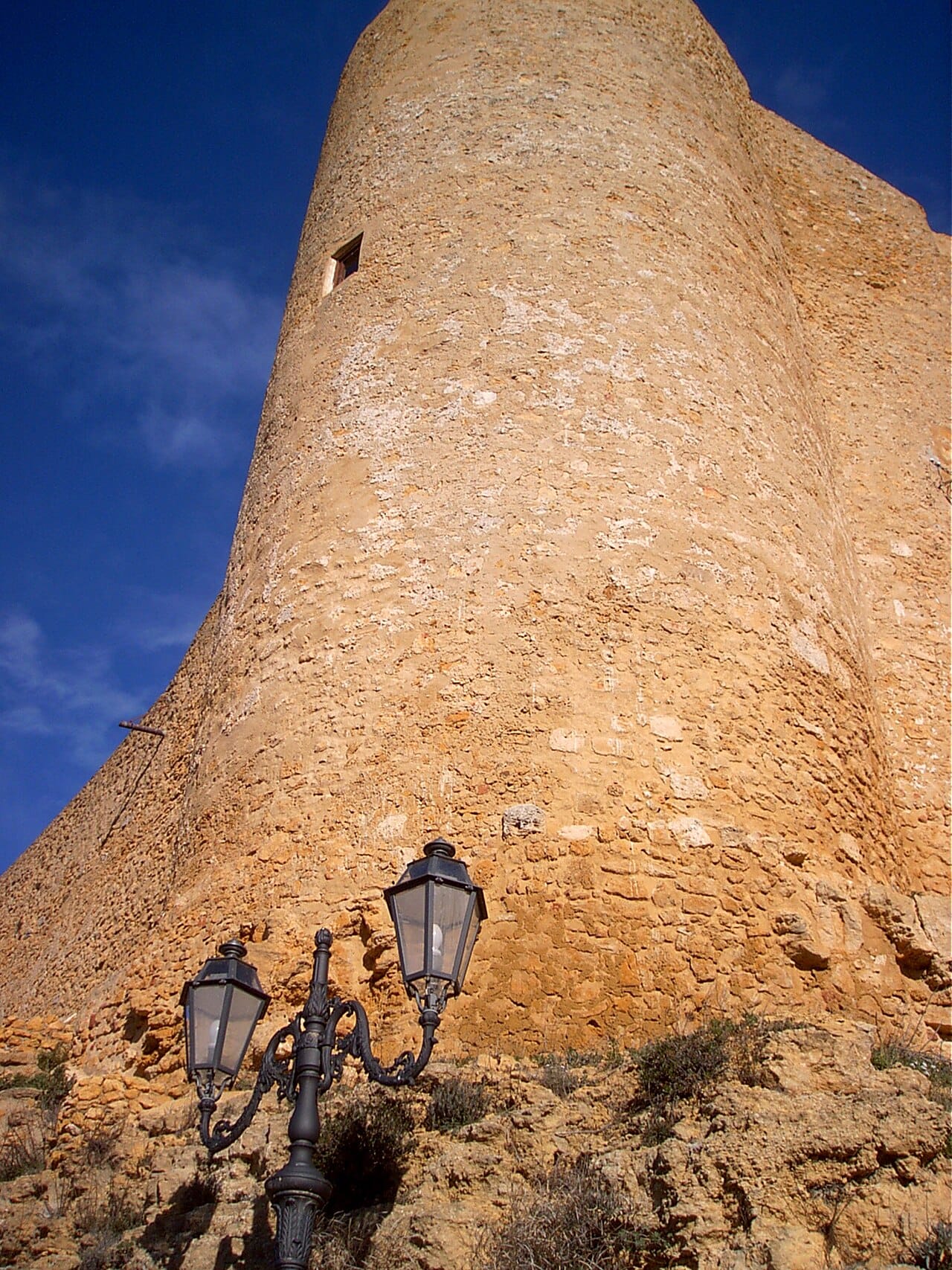
Naro sits inland in Agrigento province, thirty minutes from the Valle dei Templi and under an hour from the southern coast. The historic centre is dominated by Sicilian Baroque architecture, and the town has a weekly market and well-attended schools. The surrounding country grows almonds and sits inside the Nero d'Avola and Grillo wine zone.
In June the comune approved a formal regulation for Case a 1 Euro, and in July the portal went live at case1euronaro.it, in five languages. Two things separate it from most one-euro schemes: an approved municipal regulation rather than an announcement, and a verified catalogue, where the offices inspect a property before publishing it and give it a code you quote when you apply. The comune never takes ownership. It sits between the private seller and you. Anyone over eighteen can apply, Italian or foreign, along with associations and companies. No residency requirement.
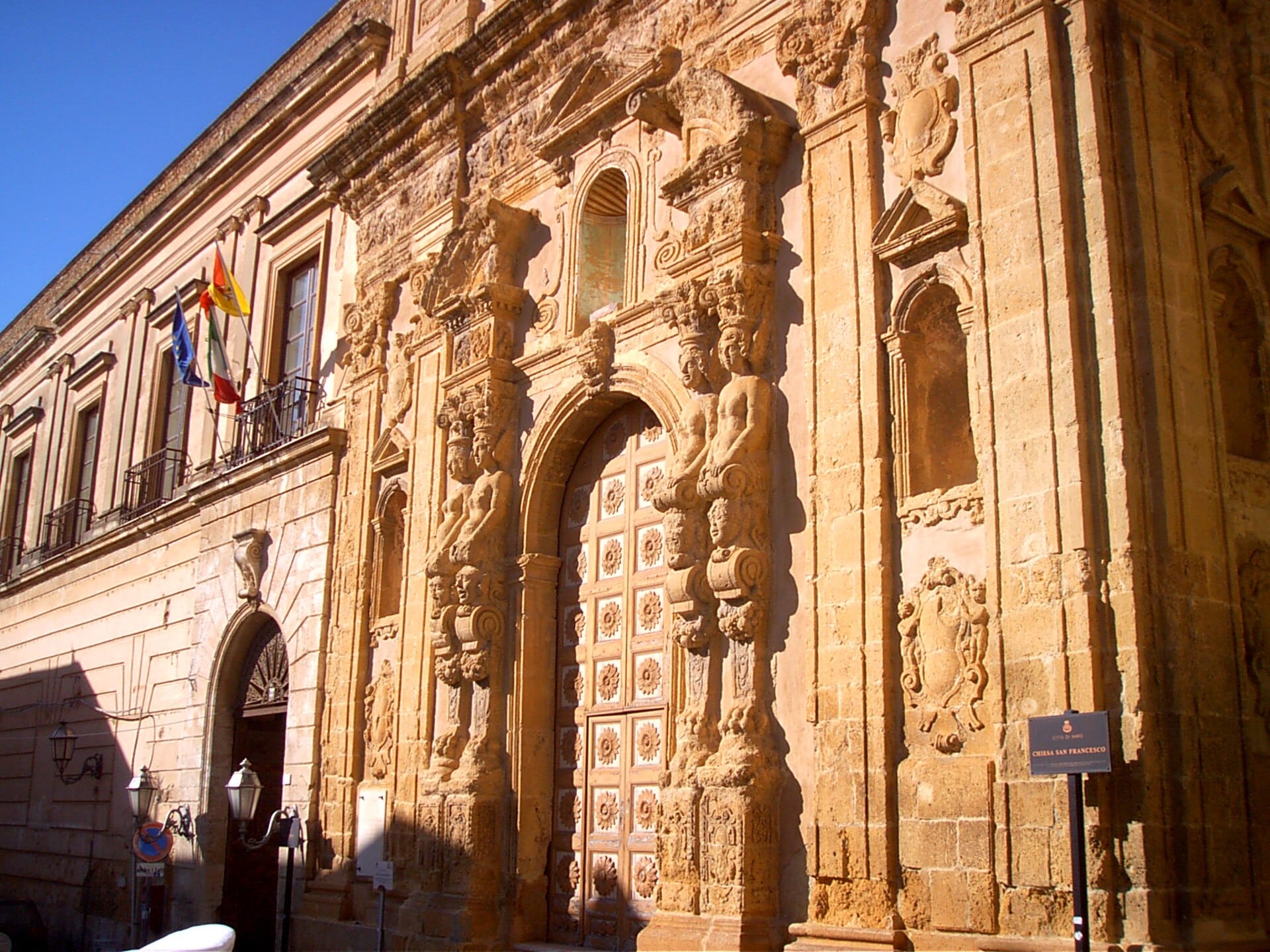
Featured: the first floor of Palazzo Lauria
Via de Castelletti 25, Naro, Agrigento · minimum bid €14,300 · 260 m² plus a 230 m² warehouse
Palazzo Lauria was built around 1840, on the southern edge of Naro's medieval walls, and carries a historical designation under a regional decree. The flat is the whole first floor: 260 square meters, ceilings at 3.6 meters, a living room of about 32 square meters with a balcony over Via de Castelletti, three bedrooms, three bathrooms, and the long hallways nineteenth-century buildings spend their space on. That's about €55 per square meter at the opening bid, against a court appraisal of €178,000. The lot also takes in a 230-square-meter warehouse on the ground floor, tuff block masonry with a wooden ceiling reinforced by steel beams, running from street level down into a basement.
The listing is straight about its condition. Fair, ceramic floors, working electrics and water, on mains sewage. Water coming in through one bathroom and one bedroom. No central heating.
The catch isn't the condition, it's that this house is up for auction. This is an asta giudiziaria selling on 22 September 2026, bids closing at noon the day before, minimum increment €500. The historical decree means your restoration has to satisfy a heritage authority before it satisfies you. Both are in the Fine Print.
More from Naro
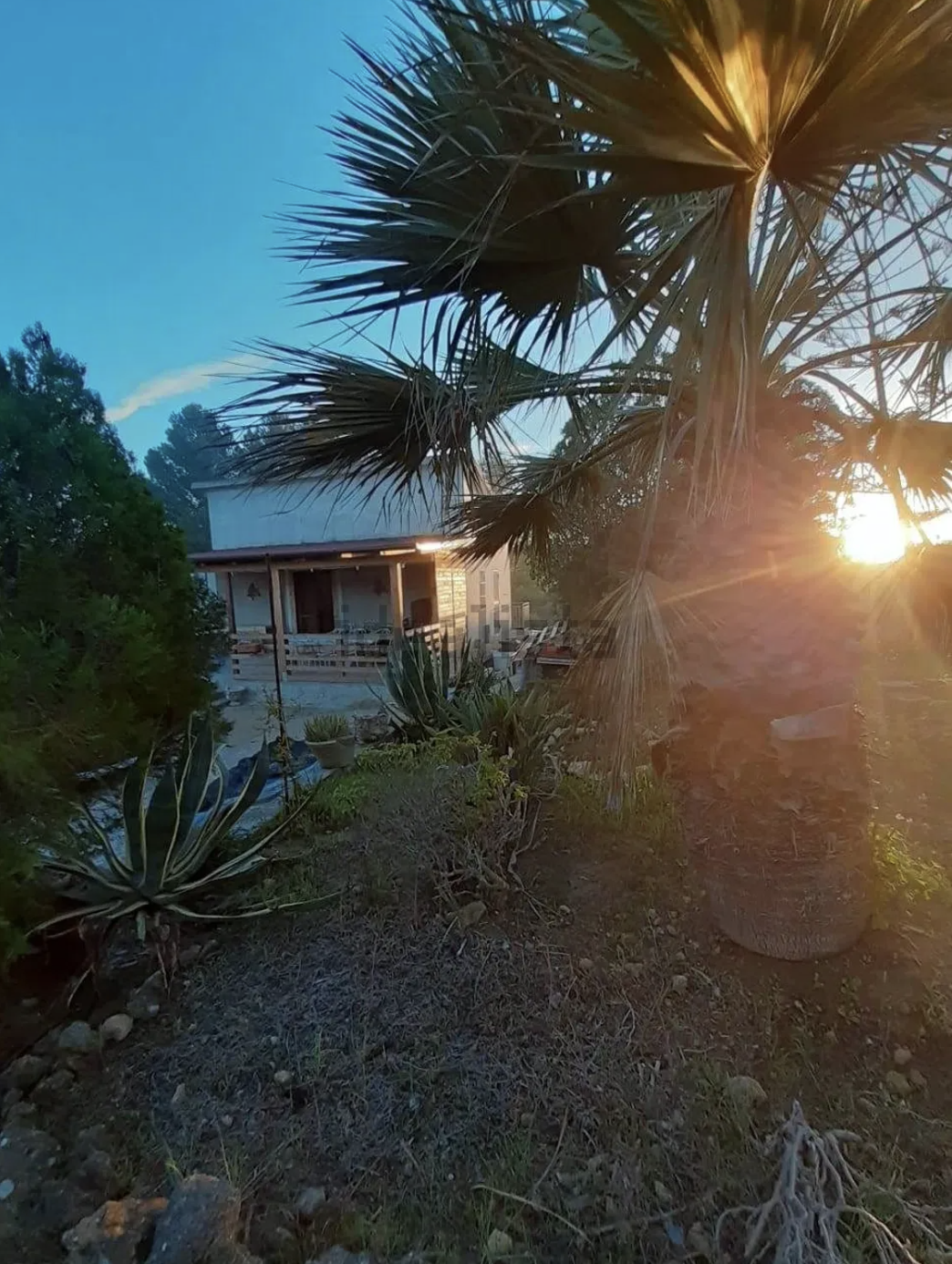
Villa, Colline del Salso · €48,000 · 45 m²
Forty-five square meters on one floor, built in 1980, described as excellent condition. Two rooms, kitchenette, one bedroom, one bathroom, private garden, garage included. this one has its own heating.
Look at the energy rating before you fall for the garden. Class G, 619 kWh per square meter per year, the bottom band on the Italian scale. In a house this size that mostly describes the walls and windows – visit in Februrary not August for worst case scenario. Also worth noting, the asking price has recently come down 24 percent, and the advertiser hasn't published the exact address.
United States
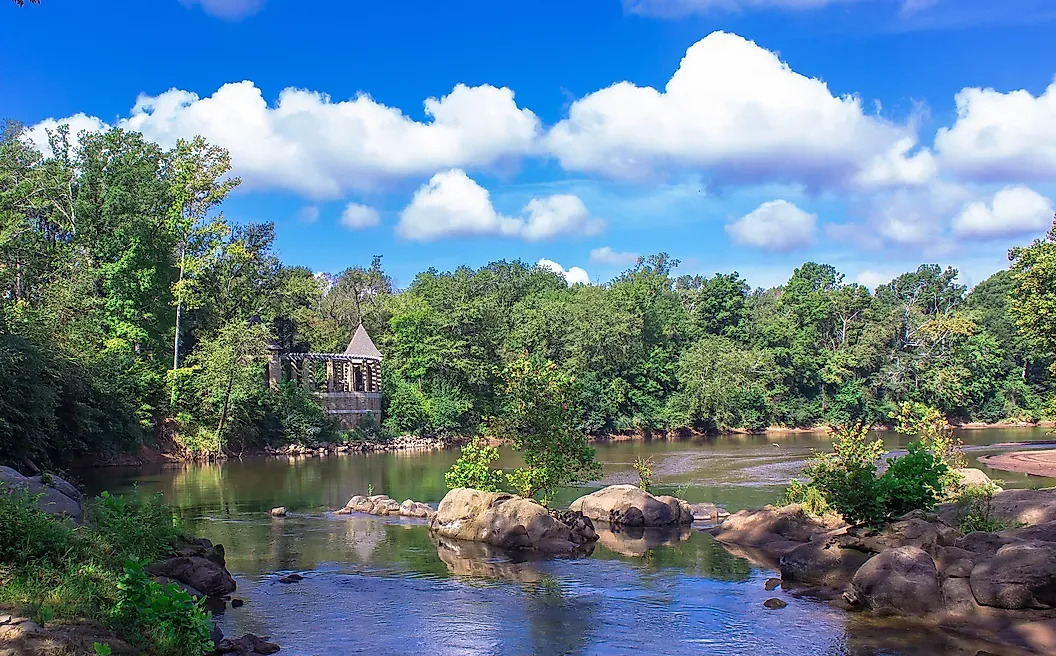
Twelve American towns are currently paying people to relocate. WorldAtlas pulled them together on 6 August and the range is wide: Tulsa gives remote workers $10,000, Topeka goes to $15,000 through an employer match, Texarkana tops the list at $18,900 across cash, tuition discounts and a coworking year. Paducah pays $5,000 in two installments and waives its 2 percent payroll tax for a year. Lincoln County, Kansas hands over $4,500, a $500 internet credit, a year at Post Rock Fitness, a monthly dozen eggs, and a free building lot inside the city if you build on it.
We went looking for the houses. In most of these towns they aren't cheap, and where they are cheap they don't check any boxes in terms of desirability. Tulsa's Kendall-Whittier runs a median around $177,000, Topeka's Potwin above $200,000, and Noblesville movers are buying at around half a million. What we surfaced at the bottom end were corner-lot fixers, and we're not going to dress one of those up as a find.
Then there's who these programs are for. Lincoln County wants you earning at least $50,000. Fond du Lac wants $55,000, Texarkana $60,000, Macon $65,000, Noblesville $80,000. Most require a year of residency, and several pay in installments tied to milestones. So here in the US grants money aren't being offered to fill vacancies, per se, they are intended to import a working household with income already attached.
No listings from us here, and that's the finding. But we did dig up some interesting details regarding property in these regions more generally. Extended notes on Macon, GA 's Pleasant Hill neighborhood, and Paducah, KY's revitalization programs in The Fine Print.
The Fine Print
Hidden buyer costs
The purchase price at Naro is symbolic and everything else falls to the buyer: notary fees, registration and cadastral taxes, design work, permitting, and the restoration.
Most coverage leaves out the fideiussione, a bank or insurance guarantee the comune requires as security that the works will start and finish inside the regulation's deadlines. You need a bank willing to stand behind your renovation budget before you can own anything.
Buying at Italian auction
An asta giudiziaria is a court-run forced sale, built around the creditors rather than around you.
Anyone can bid except the debtor — no citizenship, no residency, personally or through a representative. You do need a codice fiscale, the Italian tax number required for any property transaction there.
The deposit is 10 percent of your offer, the cauzione, paid to the procedure rather than to any private party. Lose and it comes back in full. Win and fail to pay the balance and it's gone.
Bidding is online, through a platform run by a Sales Manager registered on a ministerial list.
You end with a decree, not a deed — the decreto di trasferimento, issued by the Judge of Execution, doing the job a notary's deed does in an ordinary sale.
Auction properties are sold as they stand, with no seller to warrant anything and nobody to go back to, which is why a €178,000 appraisal and a €14,300 opening bid are not the same kind of number. And an opening bid is a floor. A property with photographs this good may go for a lot more than the minimum bid.
The particulars live in the perizia, the court's own appraisal.
Pleasant Hill, GA
Macon, Georgia runs Choose Macon, launched in 2025, aiming at ten new households a year with a package around $7,000 and a $65,000 household income floor. More than $950 million of public and private money has gone into downtown over two decades.
Macon's cheap houses are somewhere else. They're in Pleasant Hill, an African American neighborhood established in 1872 and listed on the National Register since 1996, where the median sale over the last twelve months was $40,500. Mostly single story wood-framed houses from the early 1900s, Craftsman-influenced, with front porches.
Pleasant Hill was a self-sustaining place where a great many of Macon's Black professionals lived and raised their families, until Interstate 75 was driven through it beginning in 1965 and cut it in half. Residents organized into a nonprofit, the Pleasant Hill Neighborhood Improvement Group, and spent years negotiating with state and federal highway departments over both the original construction and a later expansion. They came out of it with the Pleasant Hill Mitigation Plan: two parks, streetscapes, infrastructure, houses, noise and visual barriers, a community resource center, and preservation commitments including an oral history project, a traveling exhibit, and an update to the neighborhood's National Register nomination. Local reporting has been checking since on whether the state has kept to it.
Heirs property
The Journalist's Resource published an explainer on 5 August, republished from the Lincoln Institute of Land Policy's Land Lines, on a form of American ownership we hadn't understood. Link to full article in reading list below.
When someone dies without a will, the heirs inherit an "undivided interest" – a share of the whole property, not a specific piece of it. Four children become thirteen grandchildren become forty-two great-grandchildren, all co-owners of one house.
That creates two problems. The first is the partition action. Any outside party can buy a single heir's share and petition a court to sever the co-ownership. Land can sometimes be divided; a house can't, so it goes to forced sale, often at auction for far less than it's worth, while descendants are living in it. Attorney Mavis Gragg describes two brothers, 18 and 23, raised in their grandmother's house, who ended up co-owning it with her widower. He moved away, remarried, and filed for partition. They couldn't buy him out.
The second is a tangled title – no paper trail showing who inherited. You owe the taxes and the upkeep but can't prove you own it, so you can't get a home equity loan, insurance, a homestead exemption, or most home repair assistance. Heather Way at UT Austin found that in Tarrant and Dallas counties, over half of property tax foreclosures are heirs properties. Clearing a tangled title in Philadelphia averages $9,200. After Katrina, up to $165 million in relief went unclaimed over title problems.
Heirs property is cited as a major reason Black Americans lost more than 11 million acres involuntarily between 1910 and 1997, worth more than $325 billion. On Hilton Head, Gullah/Geechee family land became coastal real estate.
Way's line is the one we kept thinking about this week, as it speaks volumes to our exploration of access as it pertains to housing and living well:
"If you're barring the ability of heirs property homeowners to access home repair assistance, they're not going to be able to repair or maintain their homes, and those are the homes that are eventually going to become abandoned and vacant."
Twenty-three states have adopted the Uniform Partition of Heirs Property Act, which gives co-owners a right of first refusal and requires an open-market sale at appraised value rather than an auction. More than thirty now allow a transfer-on-death deed. Josiah Watts, who works with families on the Georgia coast, puts the limit on all of it plainly: "You can technically and legally do a lot of things to help people, but if you do not understand the dynamics of families, it could all be in vain."
Paducah, KY
Paducah has now run two versions of a revitalization project, twenty-five years apart, and they're worth reading side by side.
The first was the Lower Town Artist Relocation Program, started in March 2000. Empty houses to artists for $1, historic homes at low prices, and bank financing for the restoration. It brought in more than 75 artists, residents and businesses and drew over $30 million in private investment against about $2 million of city money. By December 2014, two houses were left. Naro has a portal and Macon wants ten households a year. Paducah has a neighborhood that filled up.
The second is happening now, in a different part of town. The Southside Revitalization Plan was adopted on 12 August 2025, after focus groups, neighborhood walks, community meals and public hearings. Southside is Paducah's historically African American neighborhood — Lincoln High School opened there in 1908 and served it until integration closed the school in the 1960s.
The plan does two things at once: incentives for building new homes on vacant lots, including 100 percent construction financing through a partnership with CFSB, and resources for people who already own a house there and want help with their existing structure.
The plan is a year old and the city is describing its own work, so we're reporting it rather than vouching for it. Residents told the city that redevelopment should respect both the history and the future of the Southside. Whether that's honored is something to check up on in five years.
Lifestyle & Culture Notes
Packing list for moving an 1800s New England farmhouse to Naro, Sicily.
- The house. It's made of wood. Naro is made of limestone and tufa.
- Instructions for putting it back together in English with Italian translations for the local builders.
- Every clapboard, numbered. (Cautionary note: you're moving four inch walls, into a town that builds them two feet thick out of stone to keep the rooms cool.)
- The center chimney, around which the whole house is arranged, for keeping heat in. Wait, does this make sense?
- A codice fiscale, a fideiussione, and an architect willing to tell the heritage authority this is a good idea.
- Not included: the sugar maple, mud season, cold, snowly Februaries.
- Included: whatever made you do this.
Recipes from the Map
Mutton turned up twice in our reading this week, from two directions with nothing to do with each other.
Barbecued mutton via Food Network— western Kentucky is the only part of America that barbecues mutton, out of Owensboro, ninety miles up the Ohio from Paducah. Slow-cooked over hickory with a thin black vinegar mop.
Latte di mandorla via Manu's Menu— Sicilian almond milk. Blanched almonds ground with sugar and water, left to sit, then strained. Predates every carton of almond milk in California fridges by roughly a thousand years.
What we're reading
- Understanding heirs property, Jon Gorey, The Journalist's Resource, 5 August 2026, republished from Land Lines.
- MUTTON-HF: Culturally Focused Food is Medicine Intervention Improves CV Outcomes in Navajo Nation, American College of Cardiology, 6 August 2026, on Eberly et al in JAMA Internal Medicine. MUTTON stands for Medically Utilized Tailored Traditional foods to Optimize Nutrition, and also for the meat, which the phrase Dibé bé iiná puts at the center of Diné life: sheep is life.
- Ponderings from Paducah, Carol Gault, City of Paducah, 4 August 2026. The planning director on two years in the job.
- The US Towns That Pay You to Move There, Kasey Rae, WorldAtlas, 6 August 2026. All twelve programs with the terms attached.
- Rural Tribal Life Is Hallmark Of Our Culture, Says CM Bhajanlal Sharma, AsiaNet via MENAFN, 2 August 2026. Rajasthan's chief minister spent a night in a village under a program called Gram Chaupal and posted about rural tribal life being the greatest hallmark of the state's heritage.
Live from our group chat
What the rabbit hole looked like for us this week.
Malia: They put a Japanese farmhouse in a field in Oregon. It fit in just two shipping containers, if you can believe it.
Wally: Don't.
Malia: Ours is 1920s Spanish Mission. Sicily was Spanish for four hundred years. It would basically be like taking home, home.
Wally: Ours is imitation. The houses in Naro are made of stone and for sale.
That is issue thirteen. Thanks for reading.
Until next week, Wally & Malia
Remnant is a weekly newsletter about distressed and beautiful houses around the world. We are not real estate agents. We just got a little obsessed and started digging. What will you do with what we find?