Remnant – Issue No. 10

On a London train, for the interview series Subway Takes, the photographer Misan Harriman states: "Expat is a racist as hell term." His supporting argument follows: people who move from richer countries to poorer ones get called expats, and people who make the same move in the other direction get called immigrants. We publish a newsletter for people daydreaming about the first kind of move, so we spent the week chewing on it.
As it turns out, the word expat travels in both directions (richer to poorer, poorer to richer), and has little to do with reality and everything to do with power, image, and status. It really comes down to who has the right to apply the designation, and whether the migrant is 'wanted' or not. It recalls Hannah Arendt's essay "We Refugees," published in January 1943, which turns out to have thought this through more carefully than we managed over a week of tea and open browser tabs (it's in the reading list below). Here's the opening:
In the first place, we don't like to be called "refugees." We ourselves call each other "newcomers" or "immigrants." Our newspapers are papers for "Americans of German language"; and, as far as I know, there is not and never was any club founded by Hitler-persecuted people whose name indicated that its members were refugees.
A refugee used to be a person driven to seek refuge because of some act committed or some political opinion held. Well, it is true we have had to seek refuge; but we committed no acts and most of us never dreamt of having any radical opinion. With us the meaning of the term "refugee" has changed. Now "refugees" are those of us who have been so unfortunate as to arrive in a new country without means and have to be helped by Refugee Committees.
Before this war broke out we were even more sensitive about being called refugees. We did our best to prove to other people that we were just ordinary immigrants. We declared that we had departed of our own free will to countries of our choice, and we denied that our situation had anything to do with "so-called Jewish problems." Yes, we were "immigrants" or "newcomers" who had left our country because, one fine day, it no longer suited us to stay, or for purely economic reasons. We wanted to rebuild our lives, that was all. In order to rebuild one's life one has to be strong and an optimist. So we are very optimistic.
Arendt preferred the label of immigrant to refugee, whereas Americans relocated anywhere, and Western Europeans in Africa, Asia, South and Central America, and so on, have typically been categorized as expats, not immigrants.
Here's some interesting math that invites further thought on the matter: Japan, everybody's idea of a closed country, is 2.76% foreign-born. Bulgaria, which the mental map files under "sends workers abroad," is 4.43%, and has brought in more than 108,000 foreign workers over the past three years to fill the jobs its own emigration left open. Many of the new recruits are drivers from Uzbekistan, and the report we read on it refers to Uzbekistan's citizens working abroad as its expatriates. So which word — immigrant, expat, refugee — covers a driver from Tashkent in Sofia? Which one covers an Oregon couple running a guesthouse on a Japanese island? Which one would cover us if we moved from Los Angeles to Bulgaria? We don't have the answers, but we do have six houses in three countries where the question stops being a vocabulary quiz and turns into, as always, an abundance of red tape and the weighing of risk versus reward. Underneath it sits the question at the core of it all: where in the world might I live the very best version of my one wild and precious life? It's worth reminding ourselves that this is often a matter of survival, and that choice is most certainly a privilege no matter what migrant-moniker is applied.
This week: a seaside kominka on the island where the internet's favorite akiya renovation lives, a €20,000 cottage in Donegal with a €70,000 question attached, Remnant's first trip to Bulgaria, the Fine Print on becoming a Bulgarian company, a usage guide, two recipes, the reading list, and our silly group chat.
Japan
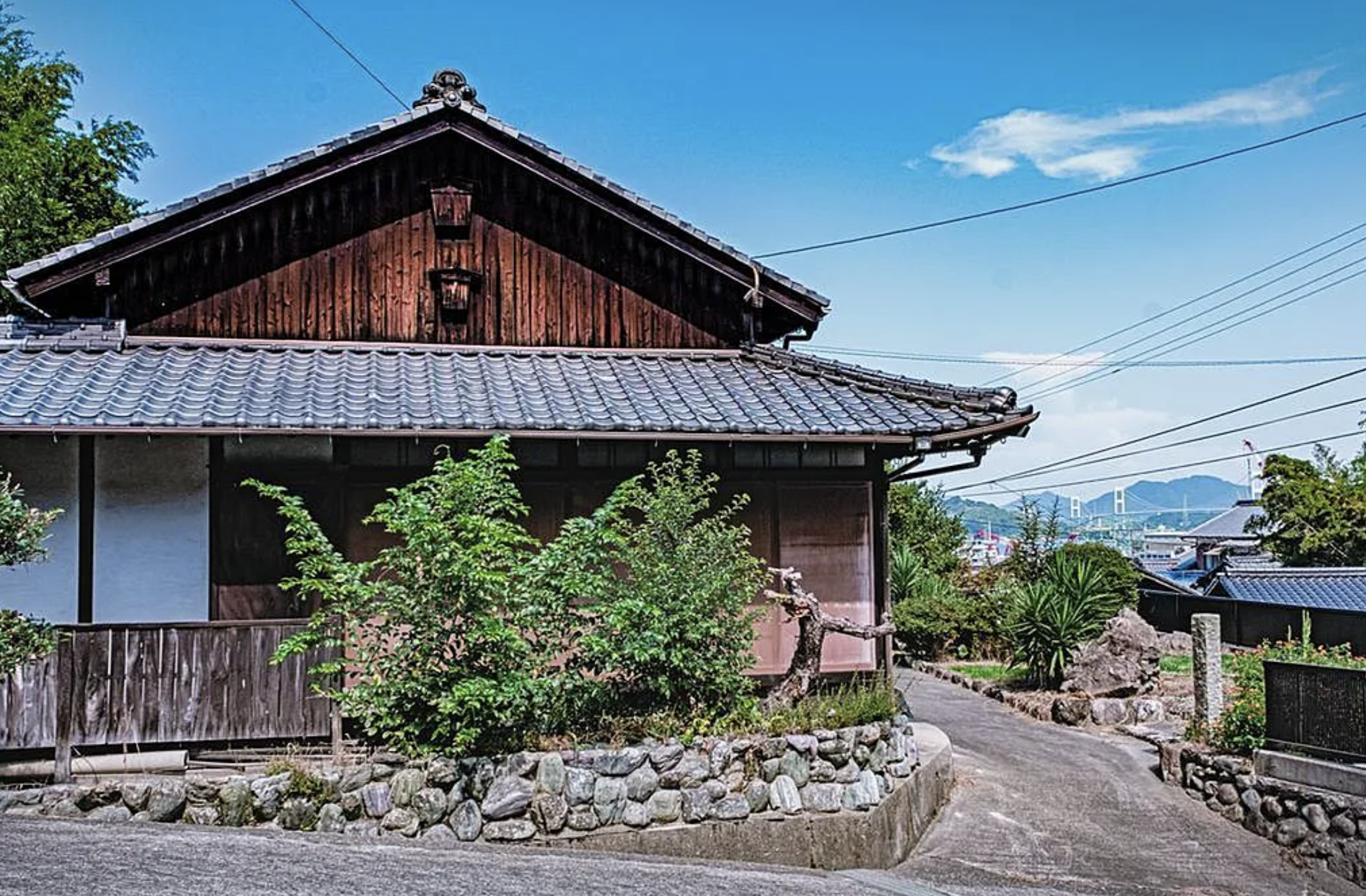
Featured: Urado, Ōmishima, Imabari City, Ehime — ¥5,000,000 (~$33,000), seaside kominka
Ōmishima sits in the Seto Inland Sea on the Shimanami Kaidō, the chain of suspension bridges that lets you cycle from Honshu to Shikoku island by island. It's also home to the best-documented akiya renovation in English. Dani and Evan Benton, Americans by way of Oregon, Louisiana, and a few years in Mexico, bought a 1953 farmhouse there that had stood empty for ten years. They paid one million yen for it, about $7,500, plus roughly $1,500 more in fees and taxes, bought directly from the former owner's son, who lives nearby. No program, no subsidy, one local real estate agent. They spent the years since turning it into Benton Guesthouse, which you can book tonight, and they filmed the whole renovation for YouTube, which means you can watch exactly how much labor sits between "bought the akiya" and "runs the guesthouse."
The house we found is on the same island, in Urado, on a rise overlooking the sea. It's a single-story kominka with five rooms, 83 square meters of house on 229 square meters of land, parking for three cars, and connections to both mains water and sewer. Long-time readers will remember the Issue 1 house where the water was "optional." This one's plumbing requires no quotation marks. The price came down this spring from six million yen to five, about thirty-three thousand dollars.
Ōmishima's claim beyond the bridges is Ōyamazumi Shrine, one of the oldest shrines in Japan, whose treasure hall holds what's often cited as the country's largest collection of National Treasure samurai armor. Warriors sailed here for centuries to pray before battle and to leave their best equipment behind when they survived. The island otherwise runs on citrus, and the cyclists roll through all year.
The listing runs through Imabari City's official akiya bank, and the akiya-bank rules from Issue 9 apply here too: the banks exist to recruit residents, most want you registered with the city and serious about relocating, and a house is not a visa. Bank stock churns weekly. If this one's gone by the time you click, the bank posts new ones.
→ Browse the Imabari akiya-bank listings
Ireland
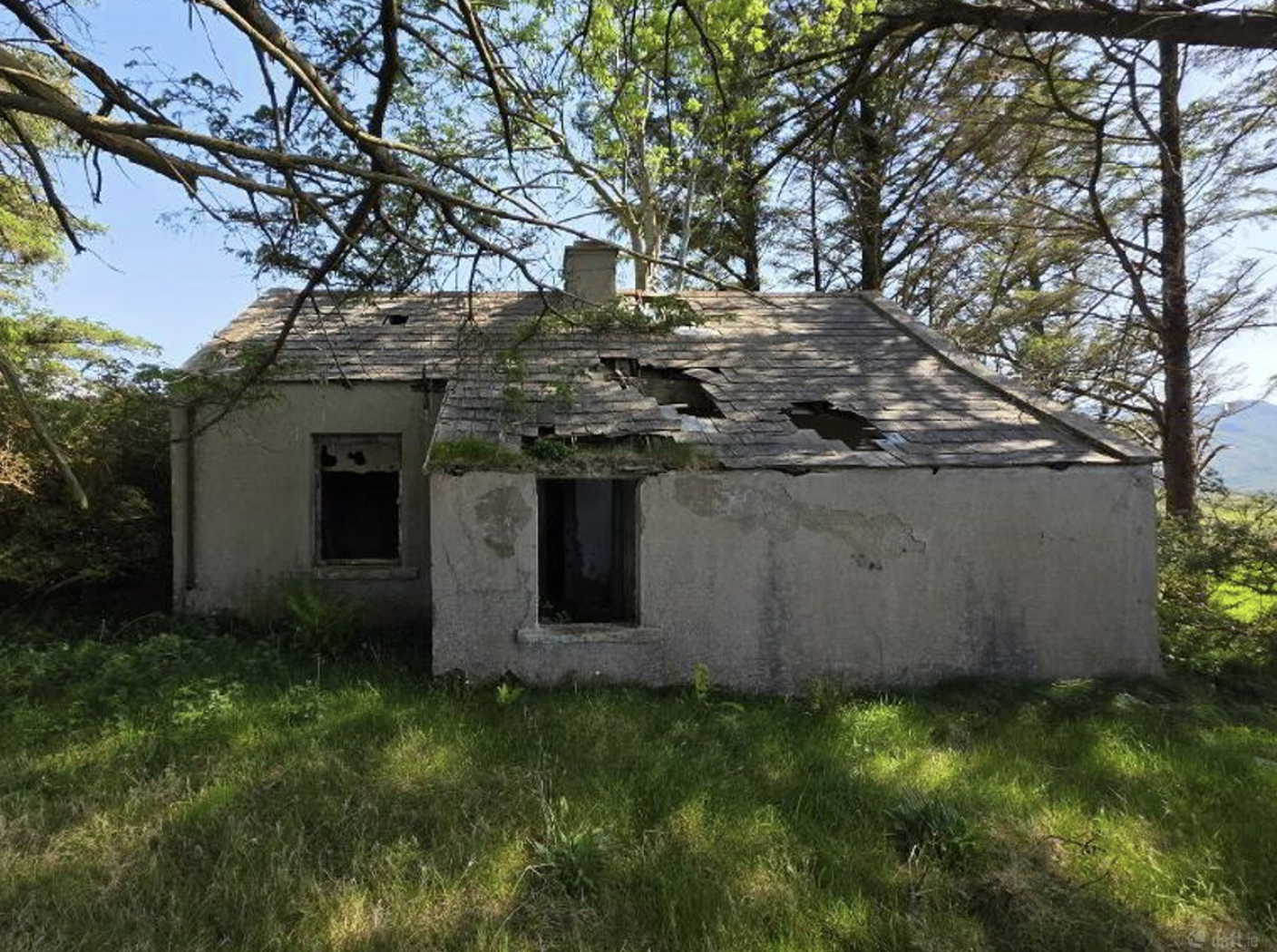
Featured: Moneybeg, Dunlewy, Co. Donegal — €20,000, derelict stone cottage
Dunlewy is a Gaeltacht village, meaning Irish is the community language, at the foot of Errigal, the tallest mountain in Donegal. The cottage is a traditional stone one-bed, 65 square meters on 0.146 acres, a short walk from McGeady's Pub, with the Poisoned Glen and Dunlewey Lough nearby and the Atlantic weather arriving on schedule, which in northwest Donegal means often. There's no septic tank and no electricity on site. The asking price is €20,000, which is roughly what a bathroom remodel runs in Los Angeles.
The reason to look twice is a national program. Ireland's Vacant Property Refurbishment Grant pays up to €50,000 to renovate a vacant house and up to €70,000 if the house is certified derelict, and the program is working at scale: over 6,300 homes completed nationally, €348.6 million paid out, and the housing minister's summary that six formerly vacant properties come back into use every working day. Donegal leads the whole country, with 1,638 applications and 542 houses returned to use so far.
This cottage's own listing flags potential grant eligibility, subject to approval, and the conditions are short enough to state: the property must have been vacant at least two years, built before 2008, you must own it or be buying it, and you live in it or rent it out afterward, with clawbacks if you sell within the scheme's window. Approval is the county council's call, not ours and not the estate agent's. The house needs everything, and the grant exists for houses that need everything.
More from Ireland
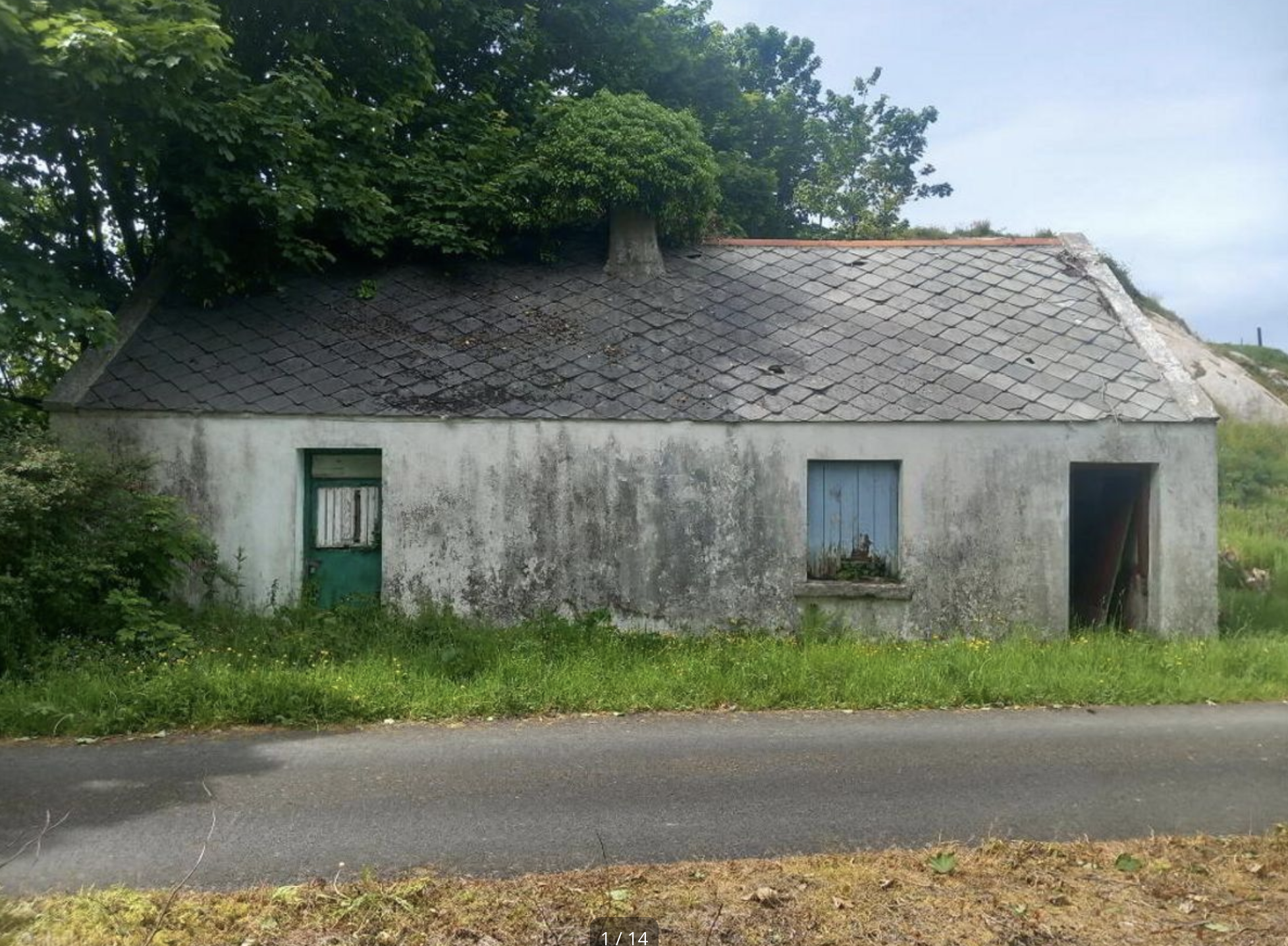
Ardsbeg, Gortahork, Co. Donegal · €55,000
Up the coast in another Gaeltacht parish, a three-bed, one-bath house at nearly triple the Dunlewy price and, on paper, a fraction of the project. Gortahork sits on the north Donegal coast, and the same grant logic applies, subject to the same approvals and the same two-years-vacant test. Between the two listings you have the Donegal spectrum: the €20,000 ruin whose fixes would almost certainly max the derelict grant, or the €55,000 house that may need less.
Bulgaria
This is Remnant's first foray into Bulgaria – and more broadly, Eastern Europe. It has some of the cheapest habitable houses in the European Union, and it's the place where this issue's vocabulary question lives in the wild: villages emptying toward Sofia and abroad while workers arrive from Tashkent and Kathmandu to fill the gaps. The houses below cluster around Veliko Tarnovo, the medieval capital of the Second Bulgarian Empire, where the old town stands stacked house-over-house above the gorge of the Yantra River and the Tsarevets fortress lights up for a sound-and-light show on summer nights. It's a university town of about 70,000 now, with trains to Sofia and the Danube an hour north.
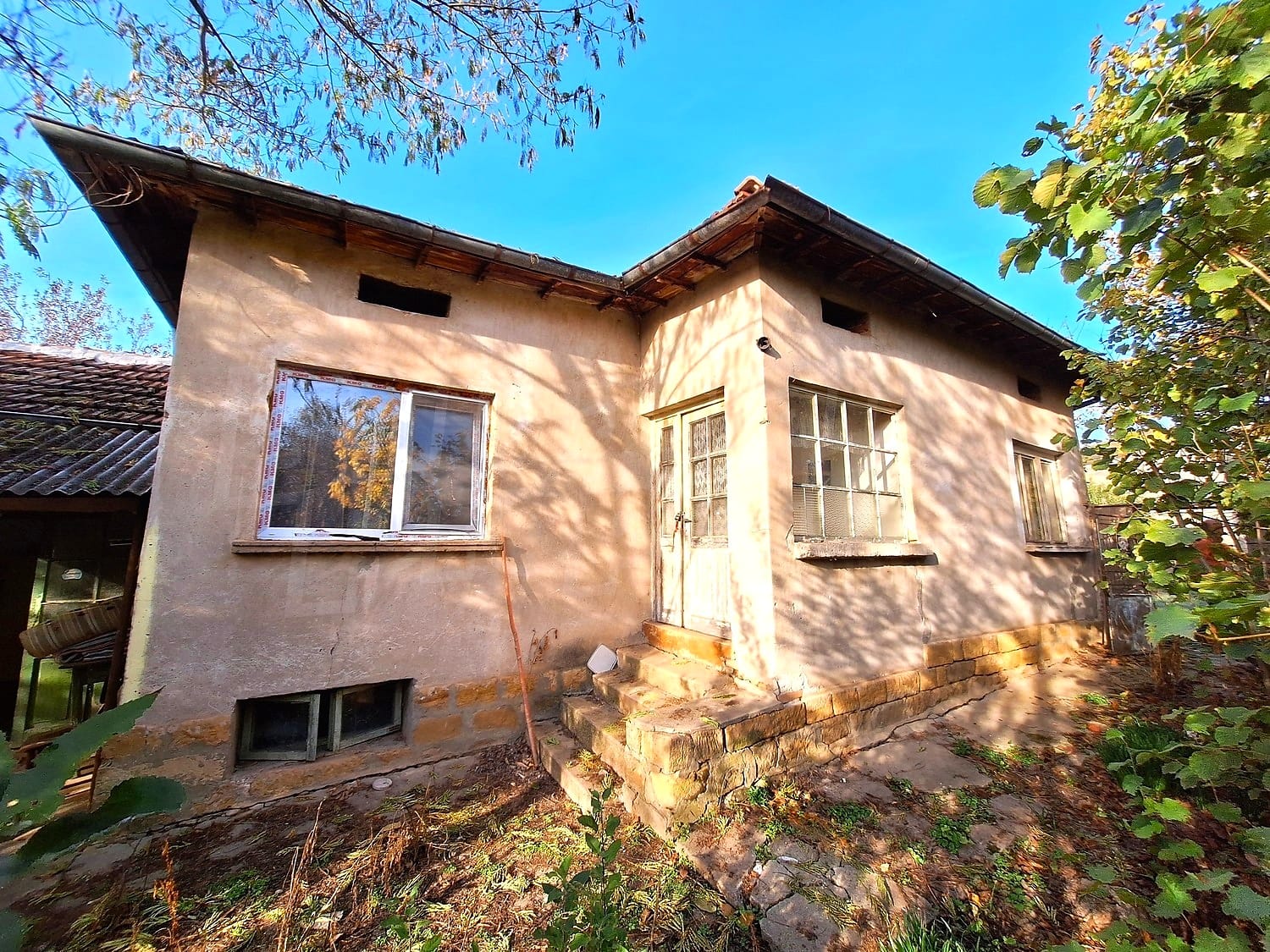
Featured: Ovcha Mogila, near Svishtov — €18,000, two-storey village house
A two-storey house of 134 square meters with a 1,900-square-meter garden and its own well, in a Danube Plain village known for its healing mineral water, about 30 kilometers from the river port of Svishtov. The garden is the headline: nearly half an acre of Danube Plain ground with its own water source. We do not know anything about the local mosquito scene, but having lived in river plain regions before, we suspect it's probably worth looking into.
The price is real and so is the paperwork. A house with a yard means owning land, and Bulgaria's constitution does not let a non-EU citizen own land in their own name. The standard route for an American is registering a Bulgarian single-member company to hold it, which costs almost nothing and takes under a week, and which we walk through in the Fine Print, because it's the kind of detail that decides whether this €18,000 is a daydream or a real option.
More from Bulgaria
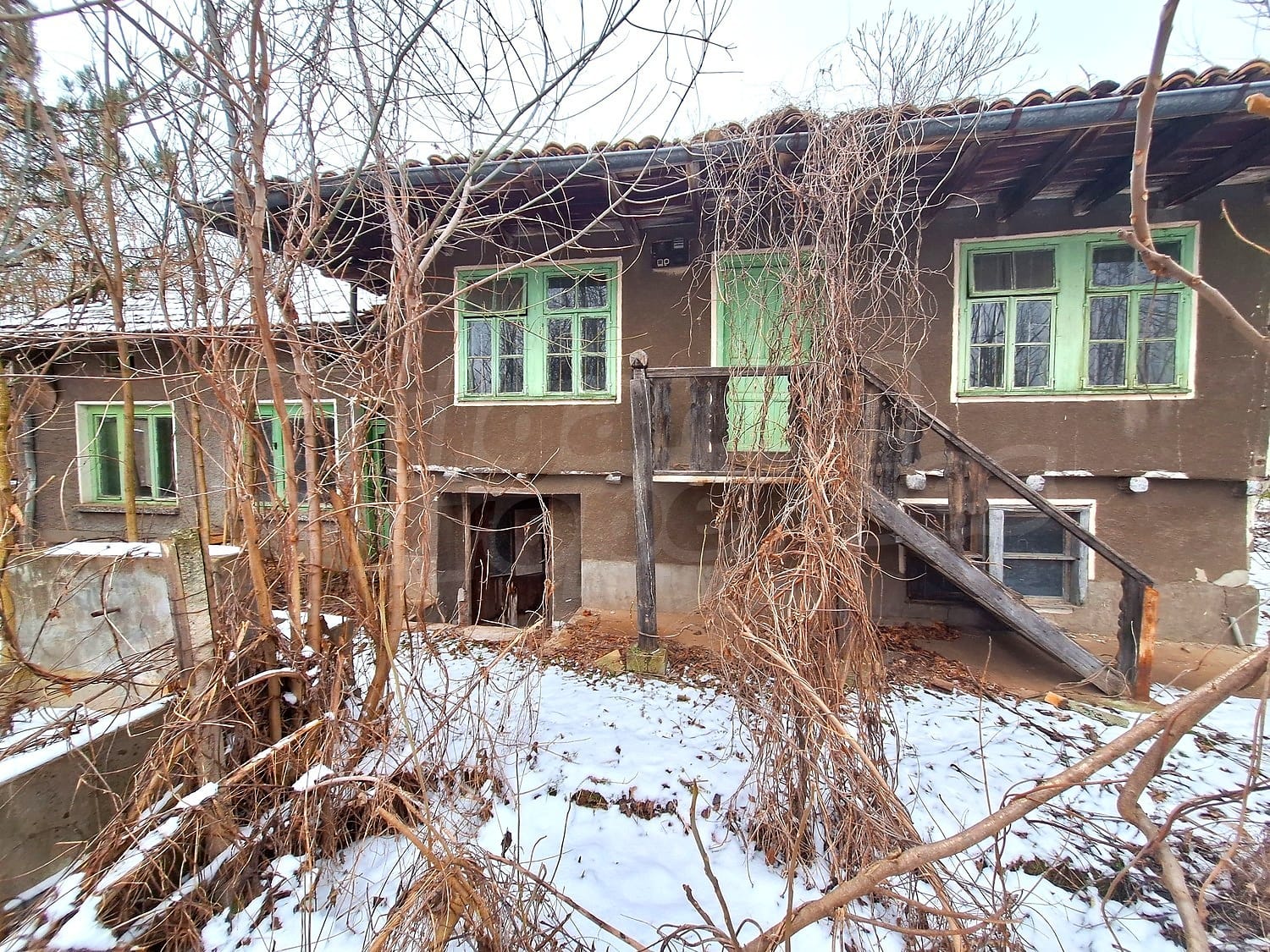
Obedinenie, near Polski Trambesh · €9,500
The cheapest house in this issue, and the biggest project. A 120-square-meter house that needs full renovation, on an 1,800-square-meter garden in the spa village of Obedinenie, near a main road and about 30 kilometers from Veliko Tarnovo. At nine and a half thousand euros the building is almost a rounding error, and the money and the years all go into making it livable. The land rule applies here as everywhere in this section.
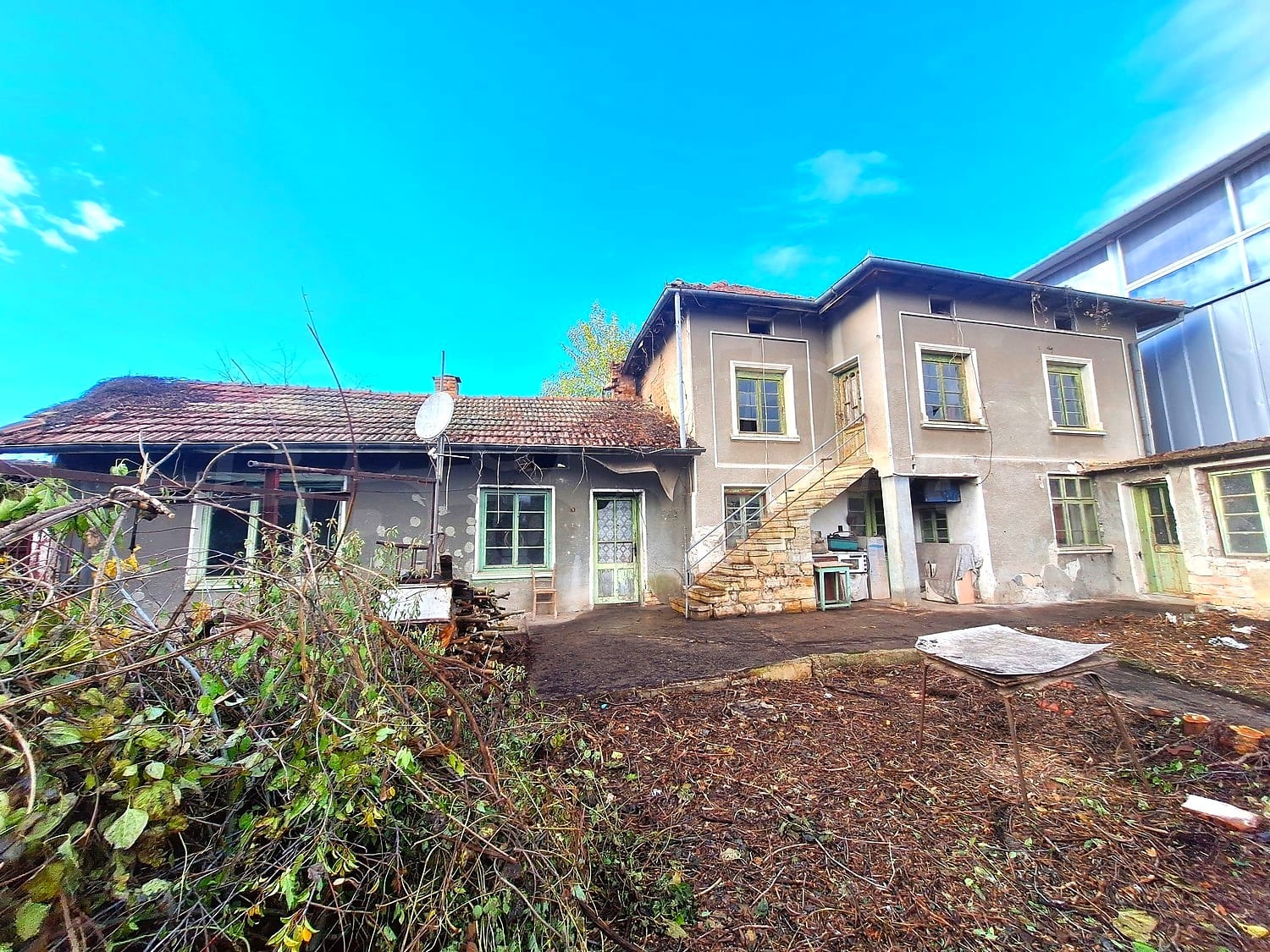
Stefan Stambolovo · €26,580
The most complete of the three: 120 square meters of house on a 2,450-square-meter plot, with a summer kitchen, a barn, and a well, 25 kilometers from Veliko Tarnovo. The outbuilding list reads like a small farm because it was one. The same land rule applies here, and with a plot this size, ask the lawyer whether any of it is classified agricultural before you fall in love.
The Fine Print
A few things from our research this week, in case you want to keep going.
Buying in Bulgaria means meeting Article 22. The Bulgarian constitution bars foreigners from owning land except by inheritance. Apartments and buildings are fine to buy in your own name, because the land under an apartment block is held in common. But a village house with a garden is land, so the standard route for a non-EU buyer is an EOOD, a single-member limited liability company: minimum capital of one euro, registration in three to five business days, the company buys the property, and you own the company. EU and EEA citizens can buy residential land directly. Agricultural and forest land is barred to all foreign individuals regardless of passport, which matters here because large village gardens sometimes carry agricultural classification. This is a hire-a-local-lawyer purchase.
Ireland will pay up to €70,000 to fix an empty house, with conditions. The Vacant Property Refurbishment Grant covers €50,000 for a vacant property and €70,000 for one certified derelict by an independent building assessment. The tests: vacant at least two years, built before 2008, and you must own or be buying it. You commit to living in it or renting it out, and there are clawback provisions if you sell within the scheme's window. Applications go through the county council, and the current national run rate is 923 homes brought back in a single quarter. The full scheme terms are here.
Paris went the other way. Where Ireland pays owners to fill empty houses, Paris now charges them for keeping houses empty: a new surcharge of 30% of a property's cadastral rental value in the first year of vacancy, rising to 60% from the second year, the maximum French law allows. The city says roughly 20,000 empty homes could return to the market. Exemptions cover renovations underway, inheritance disputes, and owners who can show they're trying to sell or rent. Spanish cities are watching to see if it works, per the coverage that pointed us to it.
Lifestyle & Culture Notes
A short usage guide for people who migrate
Expat. From the Latin ex patria, out of the fatherland. In practice the word attaches to people moving from richer countries to poorer ones, and it tends to stick regardless of how long they stay, what they earn, or whether they ever learn the local language or just get by with a faux accent.
Immigrant. Describes the same act of moving sans patriarchal connotations. Comes with substantially more risk and substantially fewer beach clubs.
Blow-in. Hiberno-English, for anyone who arrived in an Irish locality from anywhere else, including the next parish over. The standing joke is that the status is hereditary. Buy the Dunlewy cottage and your grandchildren can be blow-ins too.
Gaijin. Japanese, literally "outside person." The formal term is gaikokujin, "outside-country person," which official documents use and which is considered the polite form. It reminds us of the Romani word for an outsider or non-Romani person, which is gadjo (masculine) or gadji (feminine). The plural form is gadje. On this island of citrus farmers, the Oregonians running the guesthouse fit the category of gaijin, and so too would you if you moved to Japan.
Chuzhdenets (чужденец). Bulgarian for "foreigner," built on a root meaning roughly "belonging to elsewhere." Under Article 22, a chuzhdenets may own a Bulgarian house but not the Bulgarian ground beneath it, which brings us to the final entry.
EOOD (ЕООД). A Bulgarian single-member limited liability company. Formation cost: about one euro of capital. Formation time: three to five business days. An American registers one of these to own a garden in Ovcha Mogila. Every other word here is a name for a person. This one turns the person into an entity.
P.S. Would you rather be a blow-in with a pub in walking distance, or a limited liability company with half an acre of Danube Plain garden?
Recipes from the Map
One from each featured coast, both suited to a kitchen that's mid-renovation.
Irish seafood chowder via BBC Good Food — a time tested remedy for Atlantic weather on both sides of the pond so long as you're not lactose intolerant. One pot, no oven required, which is convenient when the range isn't hooked up yet.
Banitsa via The Spruce Eats — Bulgaria's filo-and-cheese pastry, eaten at breakfast with yogurt. Bulgarian yogurt is its own institution: the bacterium that makes it, Lactobacillus bulgaricus, was identified in 1905 by a Bulgarian medical student and is named for the country.
What we're reading
- "We Refugees", Hannah Arendt, Menorah Journal, January 1943. The essay behind our intro, written from inside the experience: German Jews in exile who called themselves immigrants and newcomers, anything but refugees. Eighty years on, it still frames the question of who gets to decide identity.
- My Subway Take, Misan Harriman's Substack. The written version of the sixty-second clip that opens this issue. Harriman, the first Black photographer to shoot a cover of British Vogue, writes of expats "who have hung around for generations" on the "presumed idea that they are more capable than the sons and daughters of the soil," and calls the distinction "a racialised power imbalance by design." Short but not sweet, packs a punch.
- Countries Where Migrants Make Up Less Than 1% of the Population, Visual Capitalist. UN data, mapped: 43 countries where the foreign-born are under one percent of the population, with Cuba lowest at 0.02%. Japan, the archetype of the closed country, comes in at 2.76%, above the map's cutoff. And roughly 47% of the world's migrants settle less than 500 kilometers from home.
- We Really Need to Talk About Substandard Housing in Alabama's Black Belt, Shelterforce. A researcher who moved back to Alabama writes about the region's rural housing crisis: clay soil that defeats septic systems, wastewater piped straight onto the ground, heirs'-property rules that block mortgages, and a federal sanitation settlement terminated in April 2025 while residents remain exposed. Her line: "The need didn't go away; the support did."
- Making Opportunity More Accessible: The Role of Digital Infrastructure in Rural Morocco, Atalayar. A writer with the High Atlas Foundation on rural Morocco, where about three million people still lack reliable digital coverage and the rural population is projected to fall from 13.7 to 12.5 million by 2040. The national "Digital Morocco 2030" plan aims to bring mobile internet to more than 1,800 rural localities, on the theory that a village with connectivity is a village the next generation – including women supporting themselves financially – can stay in.
Live from our group chat
This is the part where we tell you what the rabbit hole looked like for us this week.
Malia: Harriman says "expat" is a racist word for immigrant. Arendt says you don't get to choose your new identity – it's imposed by your new 'home'.
Wally: I like "newcomer." Hopeful, warm, doesn't imply I own a company in Sofia.
Malia: I love it! But the driver from Tashkent didn't get to pick his, and neither might you.
That is issue ten. Thanks for reading.
Until next week, Wally & Malia
Remnant is a weekly newsletter about distressed and beautiful houses around the world. We are not real estate agents. We just got a little obsessed and started digging. What will you do with what we find?